Top 10 energy stories from the past week
This week, we once again bring you a carefully curated list of the ten most significant articles we published on oEnergetice.cz. If you missed any of them, here is a selection of the articles that most captured our readers’ interest. Best of luck in the new week!
1. Dozens of ships pass through the Strait of Hormuz as Brent and WTI prices edge lower

Oil prices are edging lower today after Iran said that several dozen ships had passed through the Strait of Hormuz. North Sea Brent crude was down around 0.6 percent at about 17:00 CEST, trading just below $105 per barrel. US light crude West Texas Intermediate (WTI) was down around 0.5 percent, at about $100.5 per barrel.
Around a fifth of the world’s oil supplies normally pass through the Strait of Hormuz. Shipping through the strait has been disrupted by the conflict in the Middle East, which began with US-Israeli strikes on Iran in late February.
Read the full article HERE.
2. Will Europe turn to its own gas? New projects aim to rein in prices and import dependence
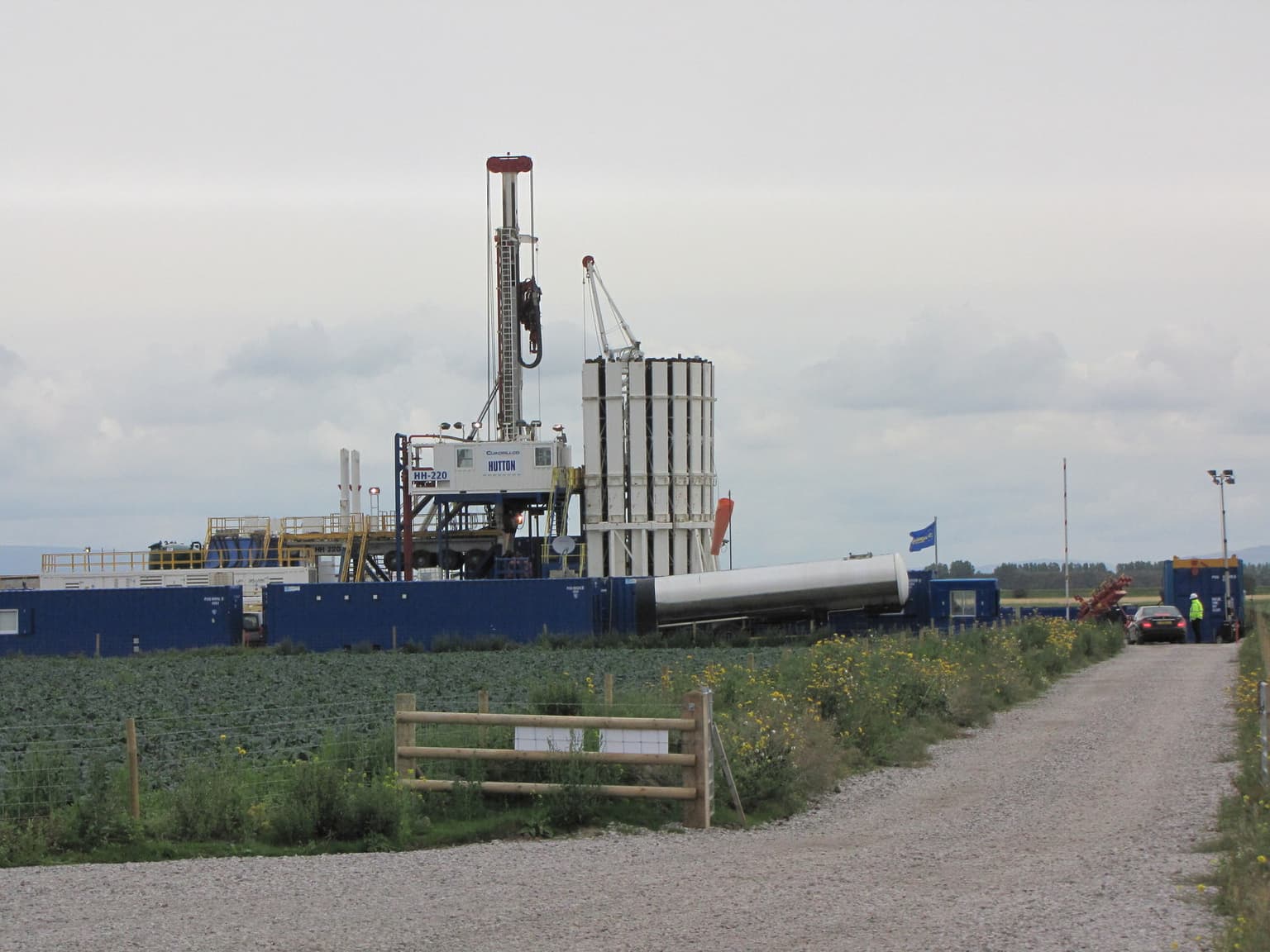
Natural gas prices are rising this year, the global LNG market is becoming less predictable, and the European Union is looking for its own response. A key question was raised at an informal summit of energy ministers in Nicosia this May: can domestic gas production stabilise the European market? The answer may lie beneath the Black Sea, in the depths of the Ionian Sea, or under the Cypriot shelf.
The European Union continues to face heightened uncertainty in the natural gas market. Gas in Europe is still trading at three to five times the price in the United States. Since 2022, the EU has significantly accelerated the diversification of its gas sources following a reduction in Russian gas imports to European markets. The bloc has managed to reduce its dependence on Russian gas from 45 % to approximately 12 %. However, this transition has brought a new vulnerability: the EU has become heavily dependent on the global market for liquefied natural gas (LNG), whose volatility has increased significantly as a result of conflicts in the Middle East.
Read the full article HERE.
3. Germany seeks to ease heating rules: new proposal scraps ban on fossil-fuel boilers after 2045
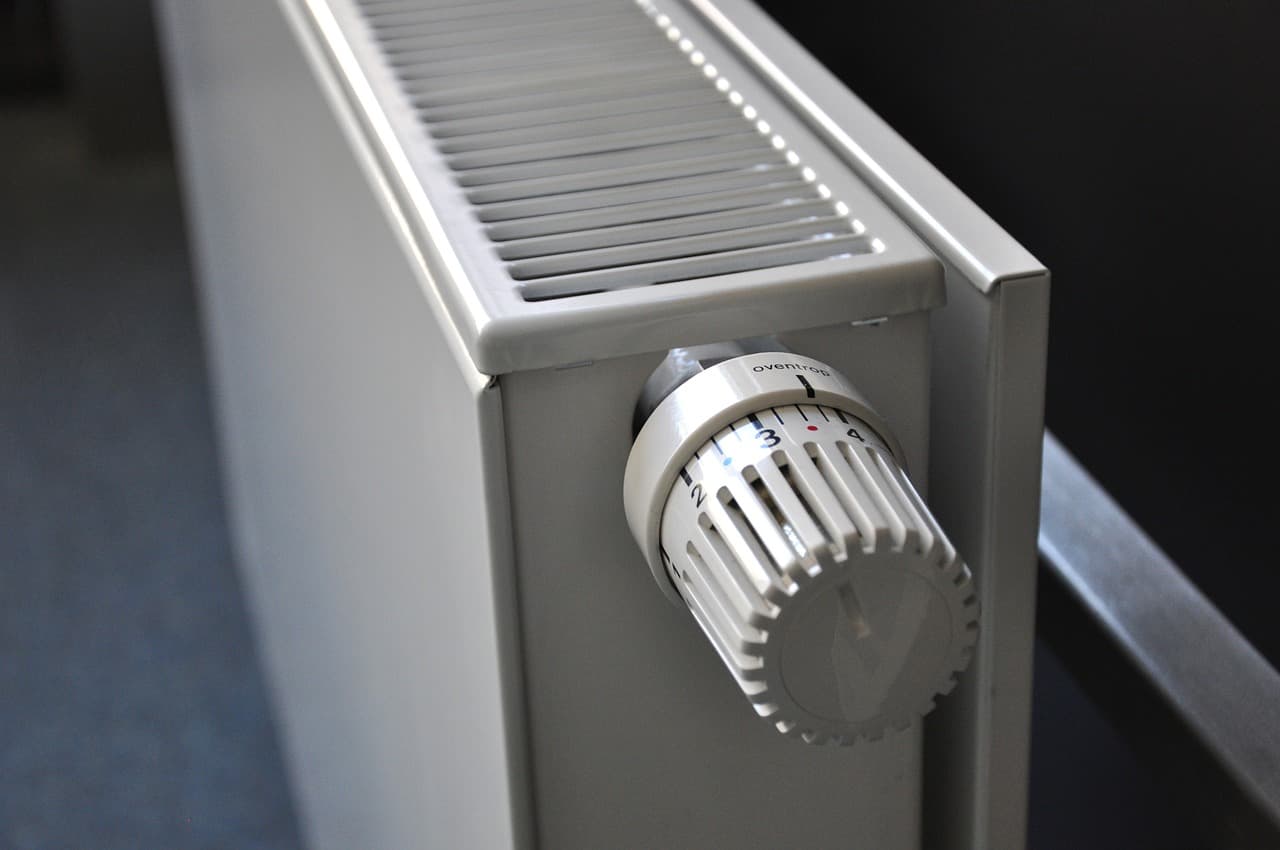
The German government has presented a proposal for a new version of its building heating law, significantly changing the direction set for the sector by the previous government. The Economy Ministry’s proposal would scrap the mandatory share of renewable energy in new heating systems and also repeal the existing ban on operating fossil-fuel-only boilers after 2045. Instead, the government wants to gradually introduce a mandatory share of “green” fuels. Critics warn, however, that the changes could make climate targets harder to meet and prolong Germany’s dependence on fossil fuels.
The proposed legislation puts into practice an agreement reached by Chancellor Friedrich Merz’s governing coalition in February this year. The most significant change is the removal of the rule requiring newly installed heating systems to use at least 65 % renewable energy.
Read the full article HERE.
4. Farewell to a giant: RK 5000 bucket-wheel excavator at the CSA mine to be scrapped after 43 years
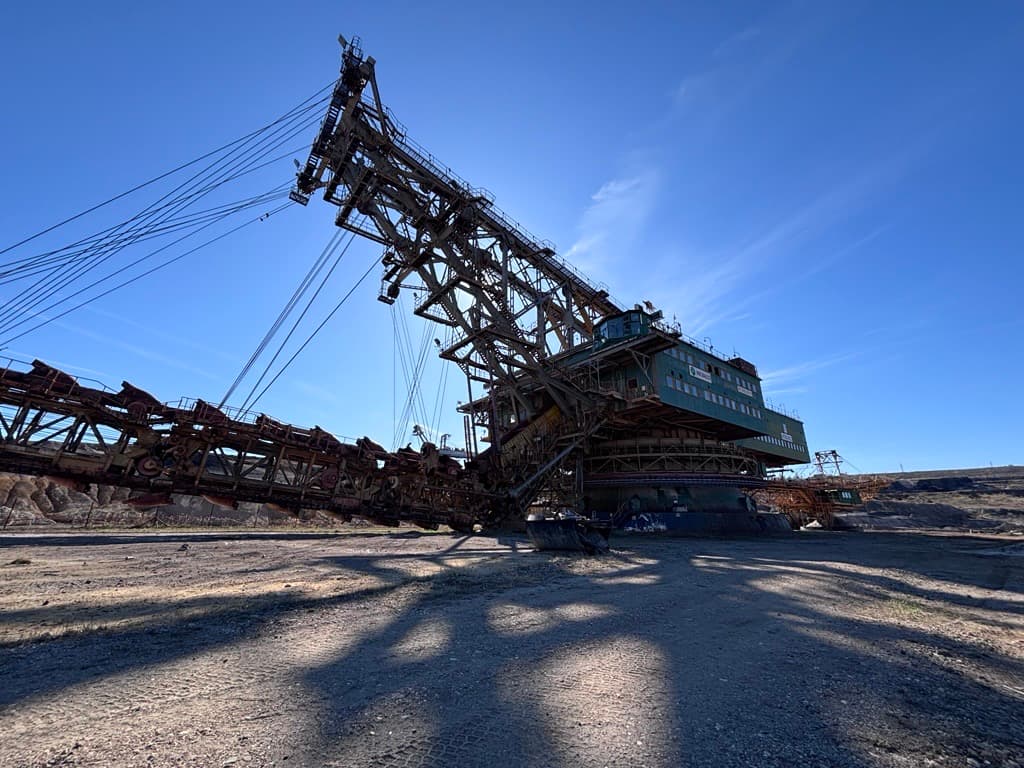
The RK 5000 bucket-wheel excavator was considered a technological marvel in its day and a testament to the exceptional standard of Czechoslovak engineering. This massive machine at the foot of the CSA mine is one of only two ever built worldwide, and the sole surviving example is still operational. Because of its size, the largest excavator in Czechia had to be assembled directly at the CSA mine. It is now marking 43 years in service, but is also set to be scrapped in the coming months.
From the outset, the excavator was designed to mine overburden directly above brown coal seams, removing overlying rock that is both very hard and varied in grain size. Assembly, overseen by engineers from the then VÍTKOVICEPRODECO company, took almost three years. The excavator was such a success that in the early 1990s there were even plans to build an even larger machine, designated RK 5000.1, which would surpass its predecessor in technical reliability and ease of maintenance. Those plans ultimately remained on paper [1].
Read the full article HERE.
5. European Commission wants to involve households more actively in the energy transition

At the end of April, the European Commission presented a new set of recommendations known as the Citizens Energy Package, a package of measures focused on citizens and households in the energy transition. Its aim is not only to provide further support for renewable energy, but above all to ensure that the transition delivers tangible benefits to end customers: lower bills, better protection against disconnection, clearer contracts, greater opportunities to generate their own electricity, and ways for households to contribute flexibility to the power system. The package follows an earlier Commission communication from March 2026 and the EU’s broader policy on affordable energy.
The package is built around four recommendations. The first concerns protecting vulnerable customers from disconnection from energy supplies and addressing the situation of households as natural gas is gradually phased out. The Commission recommends early identification of households at risk, tailored repayment plans, debt advice, energy vouchers, and structural measures such as building renovations, energy savings, and access to renewable energy.
Read the full article HERE.
6. German states sound the alarm, press government over gas storage filling strategy
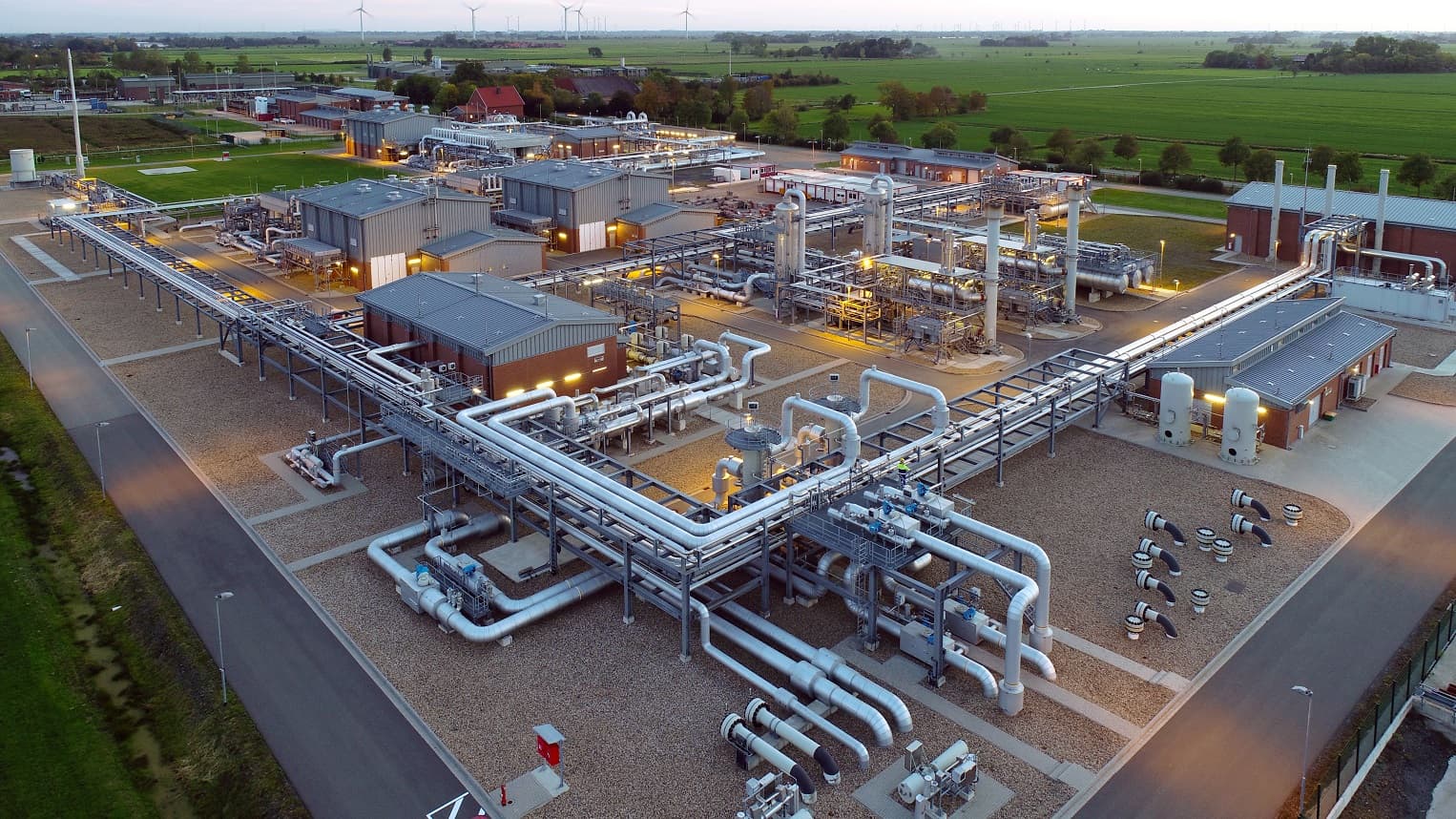
Europe ended last winter with unusually low levels of gas in underground storage. At the end of March, storage facilities across Europe were on average just 30 % full, similar to the critical levels seen in 2021 and 2022. The ongoing conflict in the Middle East is also raising questions about gas availability for storage refilling over the summer. German states are therefore pressing the federal government to urgently draw up a storage filling strategy and are also backing the creation of a strategic reserve.
Securing natural gas supplies has become an increasingly prominent issue in Europe in recent years. After most Russian supplies were cut off following the outbreak of the war in Ukraine, Europe began focusing more on the global market for liquefied natural gas (LNG). However, the global gas market is not 100% reliable either, as the ongoing war in Iran and the associated disruption to LNG supplies from the Persian Gulf have shown.
Read the full article HERE.
7. Italy and the UK to cooperate on decommissioning graphite reactors
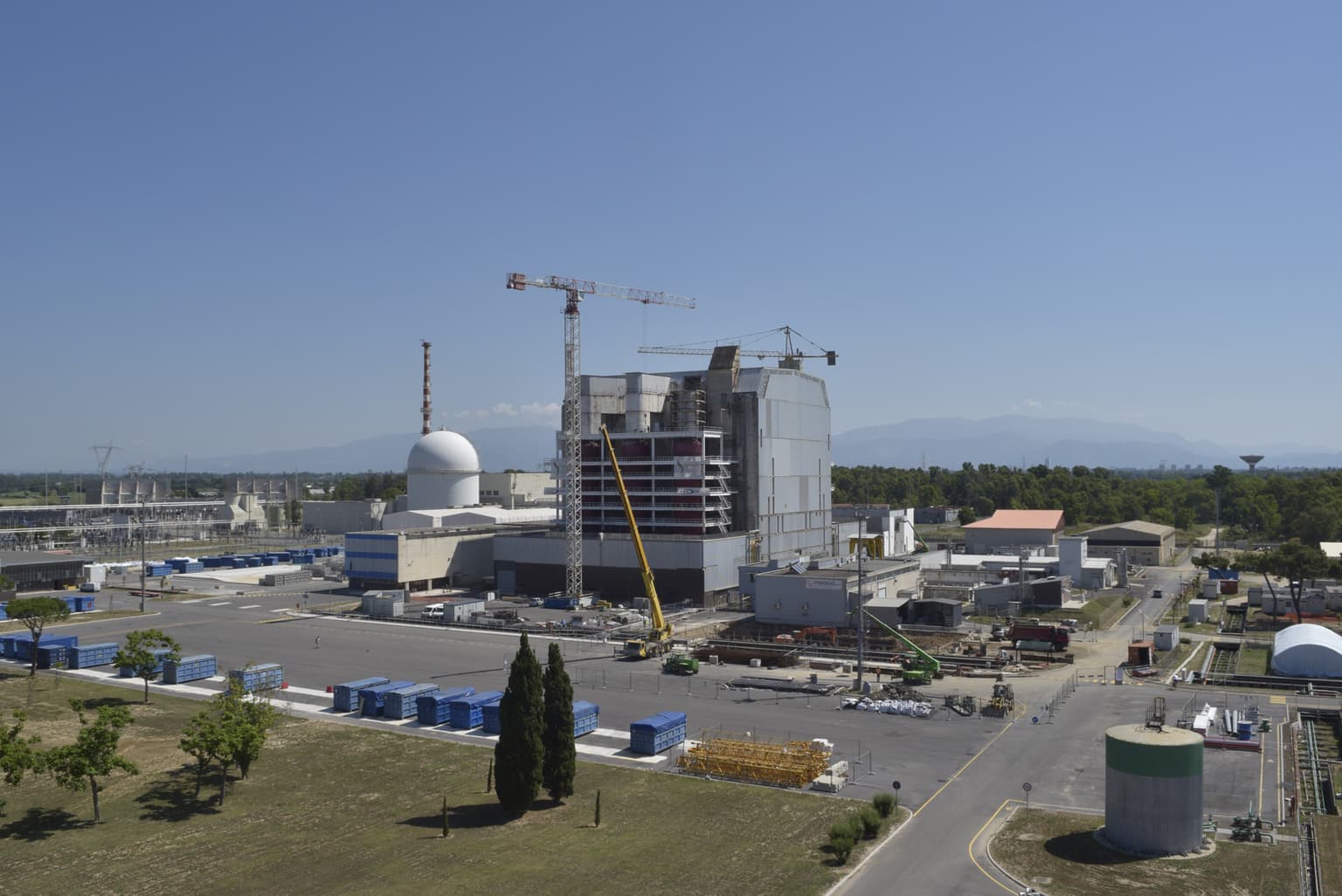
Italy’s state-owned company Sogin, which is responsible for decommissioning nuclear facilities and managing radioactive waste, has signed an agreement with the UK’s Nuclear Decommissioning Authority (NDA). The aim is to develop cooperation on decommissioning graphite-moderated nuclear reactors.
The five-year memorandum of understanding is part of the NDA’s broader efforts to address specific technical issues associated with decommissioning graphite reactors. For Sogin, the agreement offers an opportunity to share and further develop its experience in decommissioning Magnox reactors.
Read the full article HERE.
8. How to prepare for a blackout? ČEPS to launch a new “SOS” service

ČEPS has opened a public consultation on introducing a new ancillary service called System Restoration Capability (SOS). The consultation concerns proposed amendments to the Transmission System Operating Rules, specifically the Transmission System Code – Part II and Transmission System Code – Part V. Comments can be submitted from 23 April to 24 May 2026, and ČEPS explicitly states that the consultation covers only the changes highlighted in yellow in the relevant documents.
Technically, this is not a minor change to the terminology used for ancillary services. The Transmission System Code sets out the rules for connecting to and using the transmission system, the conditions for providing ancillary services, and other operational requirements needed to ensure system security and reliability. Part II of the Code deals with ancillary services, their technical functions, the conditions for providing them, certification, and procurement rules. Part V describes, among other things, the system defence plan and restoration plan—the strategy, priorities, and responsibilities for restoring the system after a major disturbance such as a blackout.
Read the full article HERE.
9. Cold April boosted electricity consumption in Czechia. Solar power generated over 600 GWh for only the third time in history
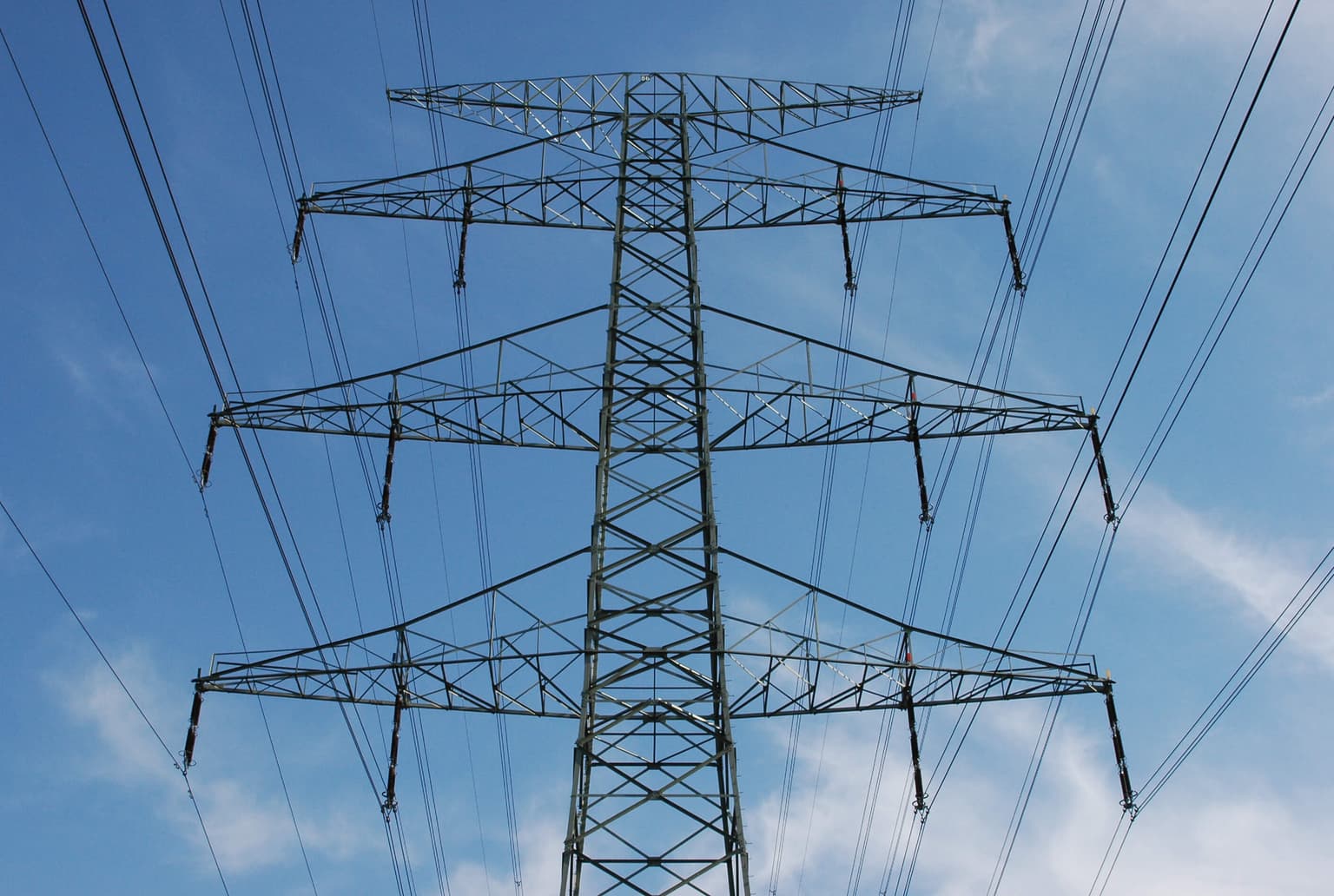
Czech solar power plants were once again the third-largest source of electricity in April, after nuclear and lignite-fired power plants. According to data published on Energostat, they supplied 612 GWh of electricity to the grid, the third-highest monthly figure on record. Solar generation was higher only in June and August last year. Strong solar output in April frequently pushed day-ahead electricity prices into negative territory. On Sunday 26 April, prices even hit the floor of -500 EUR/MWh several times.
April was, according to data published on the website of Czech market operator OTE, a.s., 0.4 degrees Celsius colder than the long-term temperature average, with a mean temperature of 8.3 degrees Celsius. By comparison, the average temperature in April 2025 was more than 2 degrees Celsius higher. The colder weather led to a year-on-year increase in electricity consumption in the Czech Republic of 4.3 % to 5.15 TWh. Compared with March, electricity consumption in April fell by almost 0.5 TWh.
Read the full article HERE.
10. Green hydrogen enters Czech gas pipelines for the first time. GasNet launches its first hydrogen town
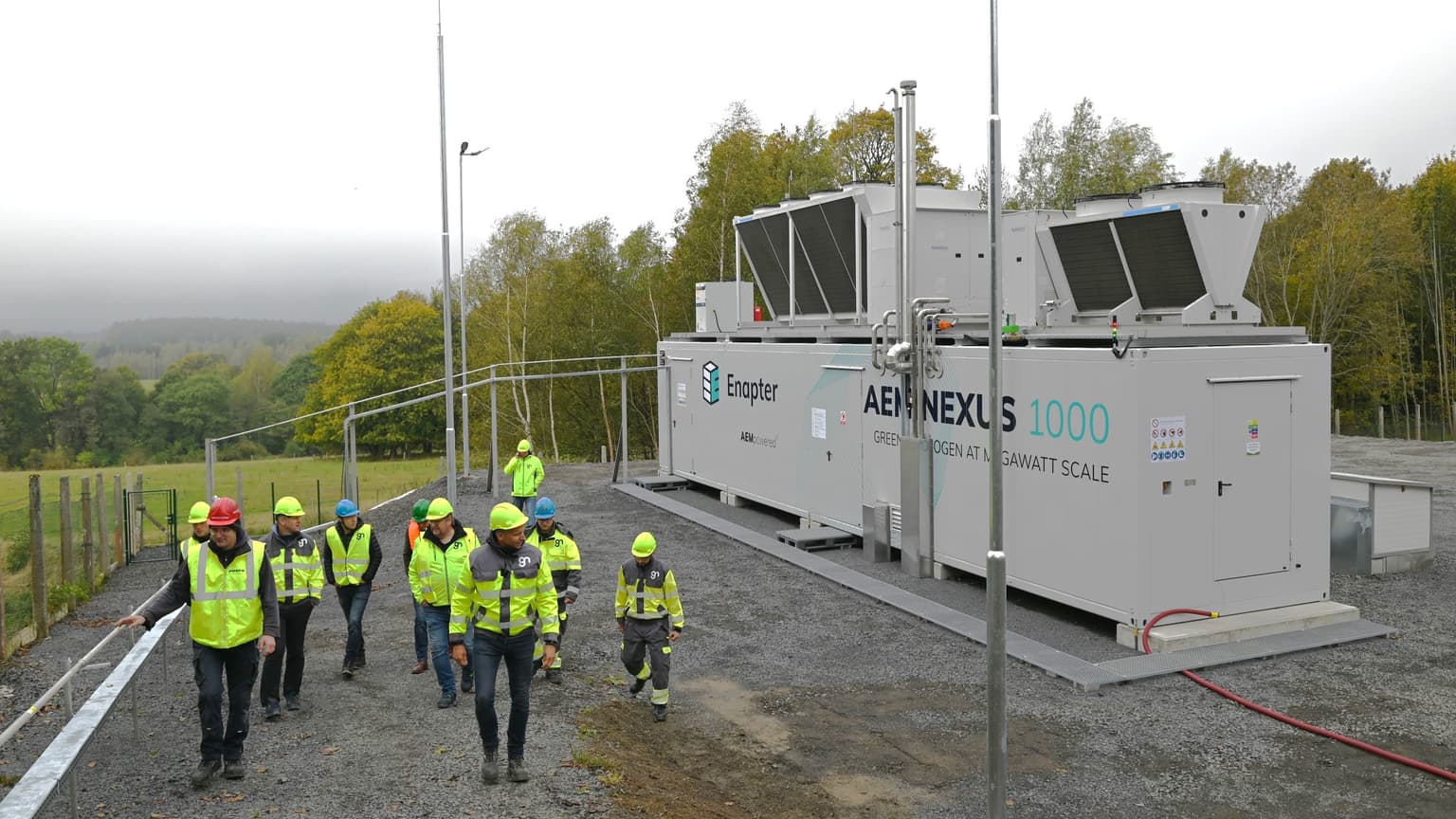
For the first time in the Czech Republic, renewable hydrogen is flowing through a public distribution network. GasNet Group has begun distributing a mixture of natural gas and hydrogen in Hranice near Aš, in the Karlovy Vary Region. Distribution is part of a pilot project testing the future use of H2 in the gas network. It is the first Czech town where customers have begun using this renewable gas at full scale. Hydrogen is also produced directly at the site, and in addition to significantly reducing emissions, distribution of the gas blend will strengthen the region’s energy security and self-sufficiency.
“Hranice is the first town in the Czech Republic where we are distributing a hydrogen blend. This is a unique concept in the Central European context because, unlike other similar projects in Slovakia or Germany, hydrogen is produced directly where it is consumed,” says Andrzej Martynek, CEOof GasNet Group.
Read the full article HERE.
Energostat: electricity generation in Czechia
Energostat: electricity generation in Germany
More up-to-date charts and data are available on Energostat
Translation disclaimer
This article is a machine translation of the Czech original and has not yet been fully reviewed. In case of any doubt, please refer to the Czech version.