Top 10 energy stories from the past week
This week, we once again bring you a carefully selected list of the ten most important articles we published on oEnergetice.cz. If you missed any of them, here is a selection of the stories that attracted the most interest from our readers. Good luck in the new week!
1. Poland enters the offshore energy era. First electricity from the sea is already flowing into the grid
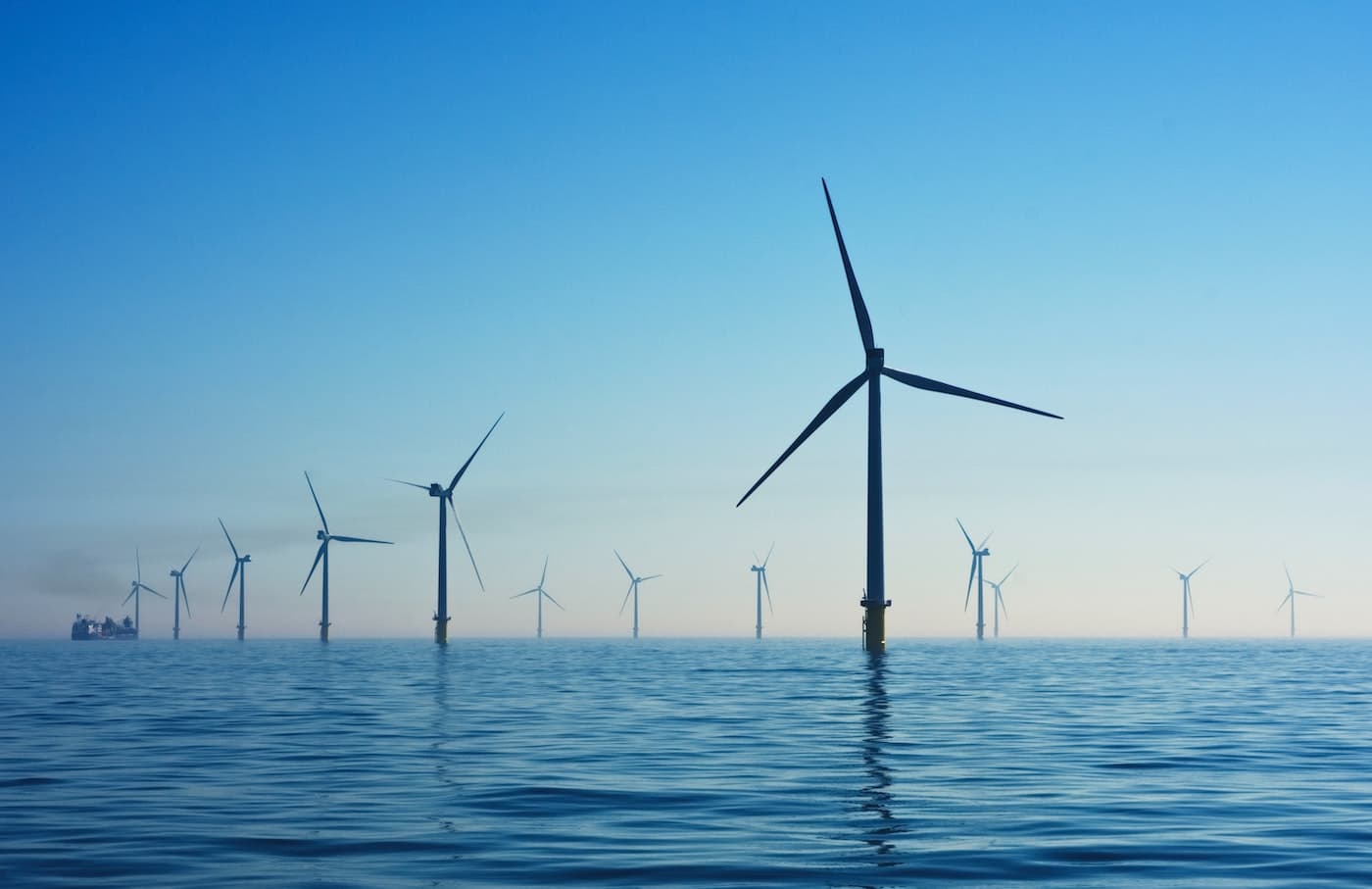
Poland is entering a new energy era. For the first time, electricity from offshore wind farms is flowing into the transmission system of our northern neighbor. The project behind this is Baltic Power, owned by Poland’s Orlen and Canada’s Northland Power. The farm in the Baltic Sea is the first Polish offshore generating facility in operation and is expected to reach an installed capacity of 1.2 GW when completed in the autumn. Its launch is not only a technological milestone, but also a symbol of Poland’s rapidly developing offshore market. By 2030, the market is expected to reach a total capacity of 6 GW.
Polish refining and energy giant Orlen and Canadian company Northland Power brought Poland’s first-ever offshore wind farm into operation this week. The Baltic Power project, located 23 kilometers off the coast of the Polish resort town of Łeba, is the first sign of a dynamically developing Polish offshore sector. A total of 54 of the 76 Vestas turbines, each with a capacity of 15 MW, have now been installed at the wind farm. They will generate around 4 TWh of electricity annually, equivalent to 3% of current Polish demand.
You can read the full article HERE.
2. Low gas storage levels in Germany threaten the energy security of the entire EU
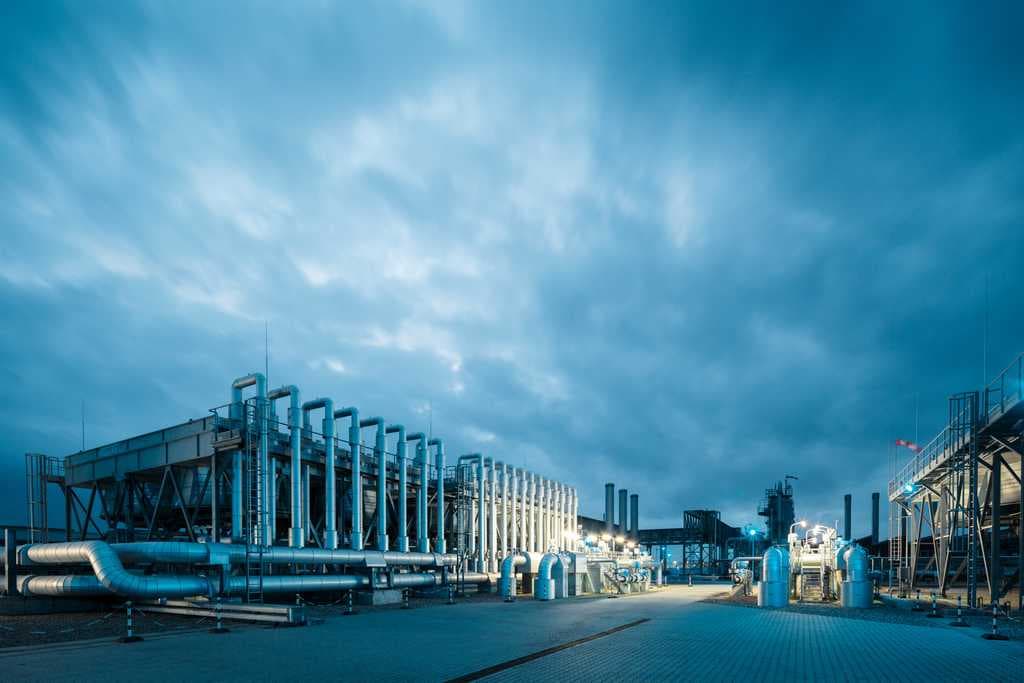
Europe’s natural gas market is facing heightened anxiety ahead of the next winter season. The reason is below-average gas storage levels, particularly in Germany, which has the largest storage capacity in the European Union. Persistent geopolitical tensions in the Middle East are further complicating the situation, continuing to constrain natural gas supplies to the European market.
As of mid-July, European gas storage facilities were around half full. In Germany, however, they were less than 44% full, the lowest level for this time of year since 2021. This significantly limits the flexibility of the European market and Germany’s ability to act as a guarantor of energy security in Central and Western Europe.
You can read the full article HERE.
3. Finnish regulator publishes preliminary assessment of the LDR-50 modular heat reactor
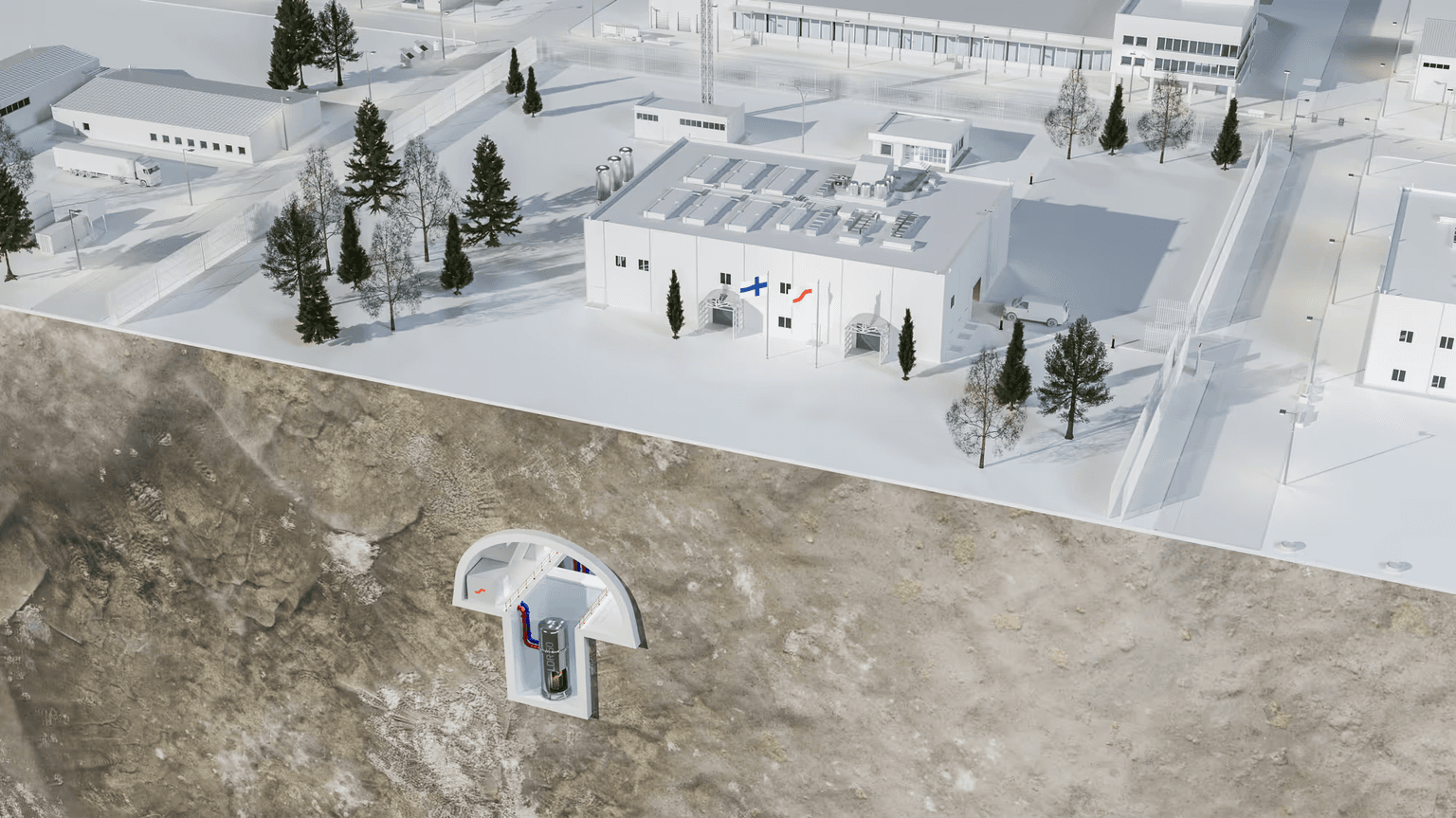
Finland’s nuclear regulator STUK has published the results of a joint preliminary assessment of Steady Energy’s LDR-50 small modular reactor concept. The Czech State Office for Nuclear Safety (SÚJB) also took part in the assessment. Regulators found no major safety obstacle to further development of the design, but this is not a licensing decision.
In addition to Finland’s STUK, regulatory authorities from Sweden, Poland, the Czech Republic and Ukraine took part in the voluntary assessment. Each assessed the LDR-50 concept under its own national regulations and requirements, with the Czech Republic represented by the State Office for Nuclear Safety, supported by the National Radiation Protection Institute.
You can read the full article HERE.
4. How much did solar power plants cost in 2025?
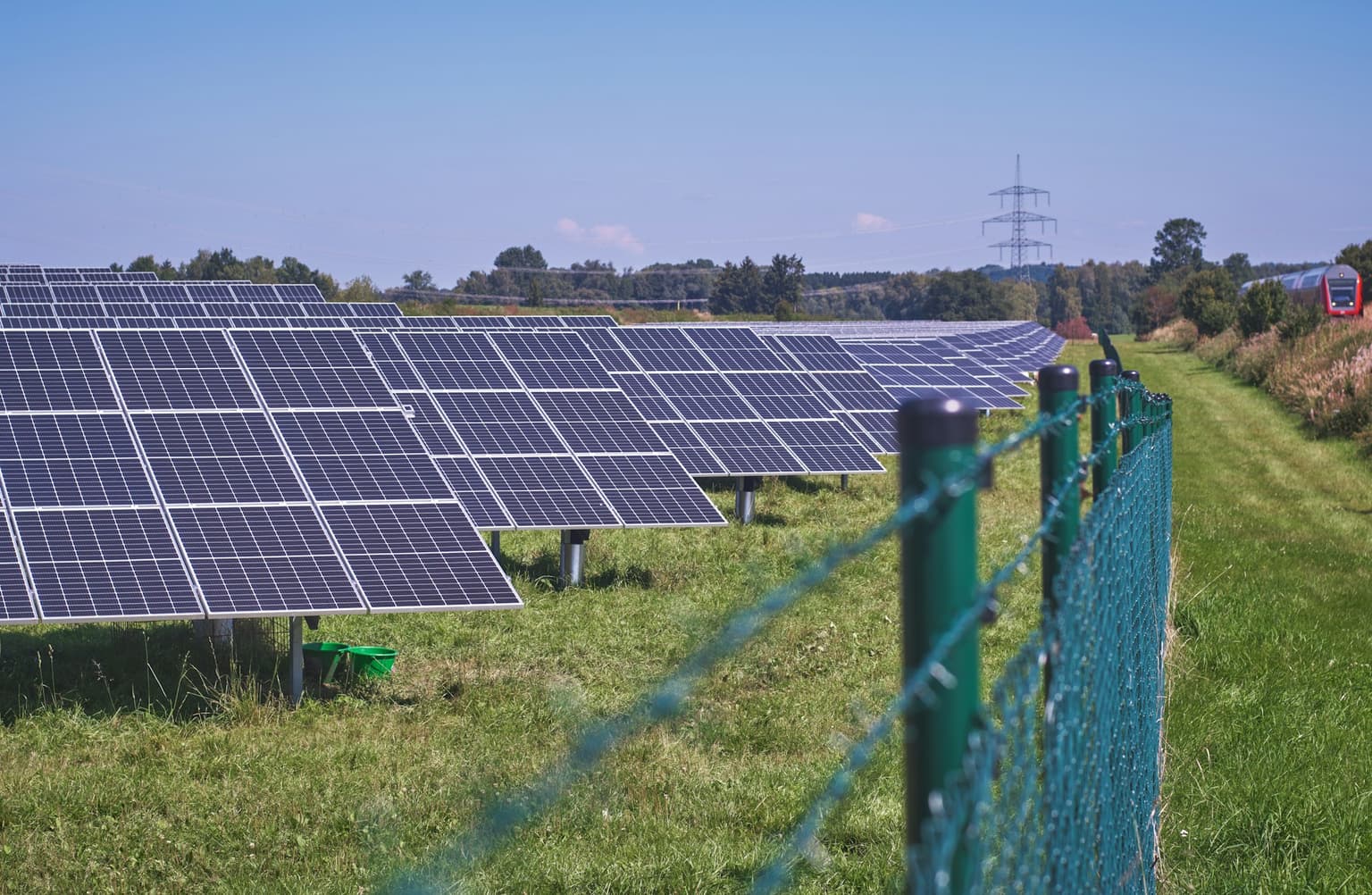
2025 confirmed solar power’s dominant position among renewable energy sources. Solar power plants accounted for 72% of newly installed renewable capacity, with 498 GW of new capacity added worldwide. China remained the biggest driver, bringing 333 GW online on its own. Meanwhile, solar panel prices continued to fall due to high manufacturing capacity, contributing to further reductions in the cost of electricity generation. According to IRENA, solar remained the cheapest source of new electricity generation worldwide in 2025.
Technology trends and the rise of battery storage
The solar sector underwent significant technological development in 2025. Older PERC cell technology was largely replaced by the more modern TOPCon technology, which now accounts for approximately 88% of new manufacturing capacity. With its higher efficiency and better performance, particularly in bifacial modules, TOPCon has become the new manufacturing standard.
You can read the full article HERE.
5. How much did wind farms cost in 2025?
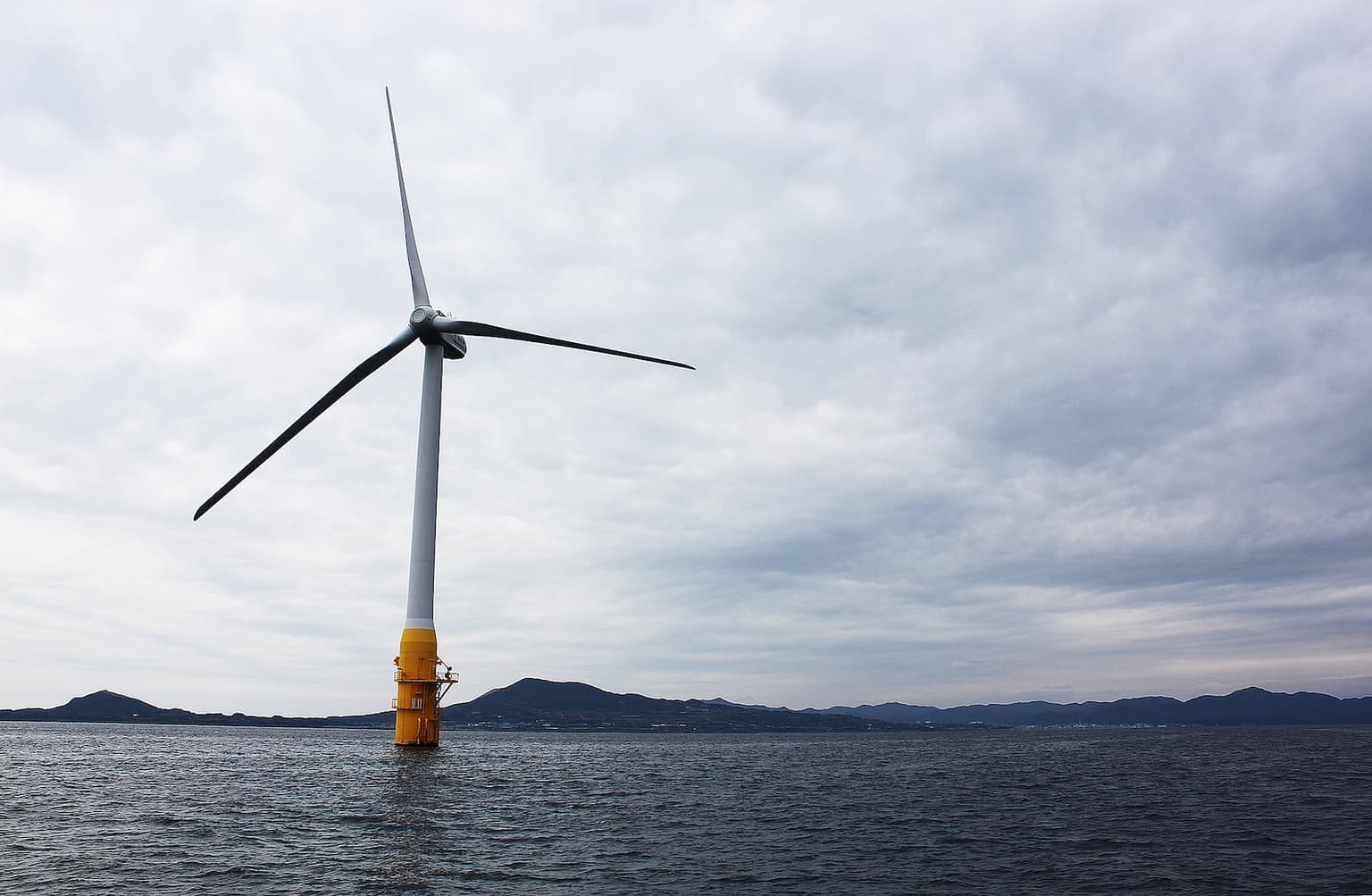
2025 will go down in energy history. Global installed renewable energy capacity increased by a record of more than 690 GW, an increase of around one-fifth compared with the previous year. Solar and wind power were the main drivers of this boom, accounting for the vast majority of newly connected capacity. There was also a major milestone: for the first time in history, renewables overtook coal in total installed capacity and became the world’s largest source. Asia, especially China, remains the main engine of this growth, accounting for almost two-thirds of new solar farms and around three-quarters of new wind turbines.
Technology trends and market developments
Wind power added an impressive 159 GW of installed capacity in 2025, with onshore wind farms accounting for 93%. China alone brought wind farms with a capacity of almost 120 GW online.
You can read the full article HERE.
6. Czechia adds fewer new solar installations as interest in batteries surges
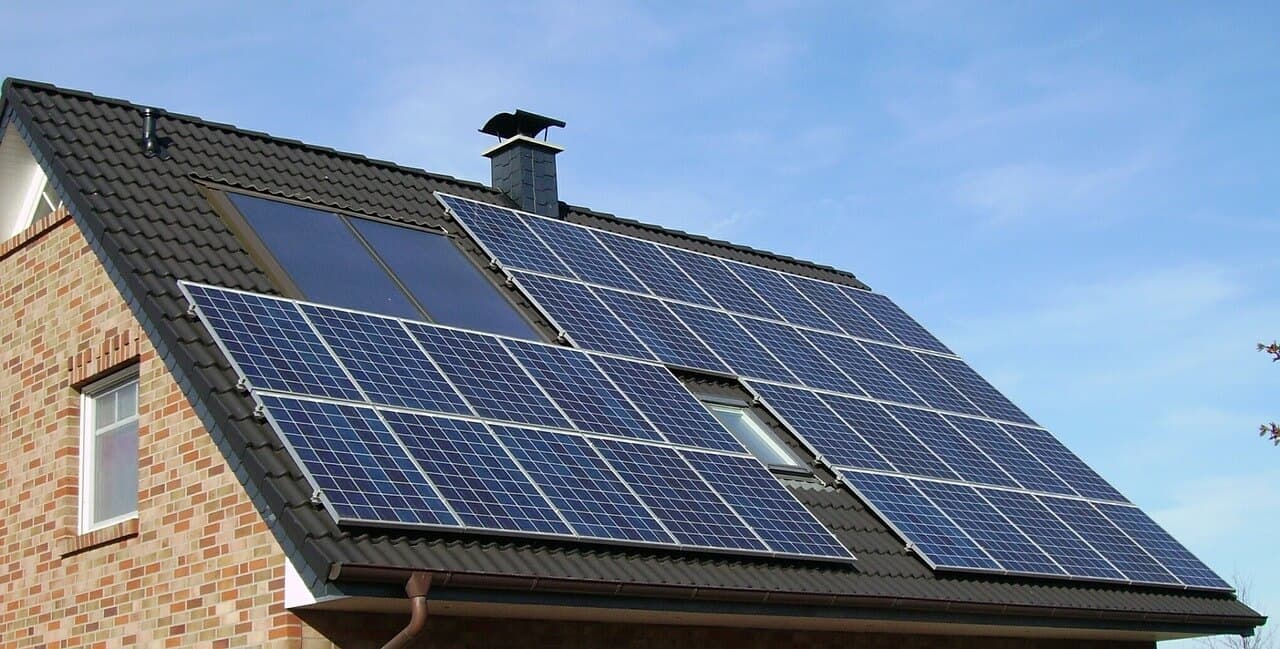
Solar power development in Czechia is slowing further. In the first half of this year, 9364 photovoltaic power plants were connected to the country’s grids, around 28 percent fewer than a year earlier. Their installed capacity also fell to 295 megawatts (MW). By contrast, battery storage capacity grew significantly: systems with a total capacity of 318 megawatt-hours (MWh) were connected, up 83 percent year on year. Representatives of the Solar Association announced the figures at a press conference today. Czechia now has a total of 248.346 solar power plants with a capacity of 5.36 GW.
The first half of the year thus continued the trend from the previous year, when fewer systems were installed. The downturn is already being felt by installation companies, with some having closed in recent months.
You can read the full article HERE.
7. What has been the experience with Generation III reactors so far?
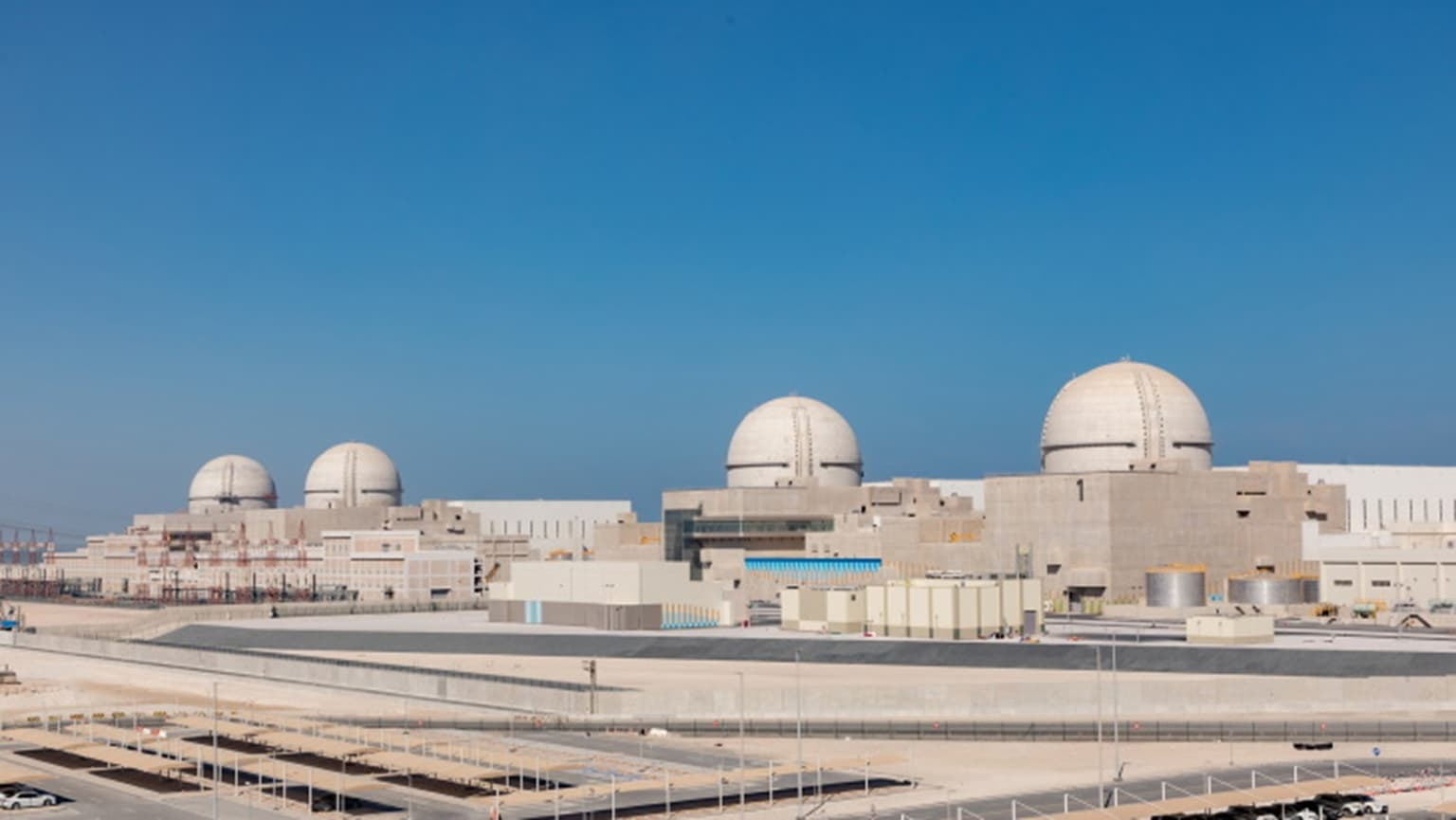
The Czech Republic is nearing the start of construction of its Generation III reactors at Dukovany. Many such reactors have already been operating for several years, and more are under construction. They now make up more than 10% of the world’s total nuclear fleet. It is therefore worth examining their current status, future outlook and operating experience.
The first Generation III reactors entered service in Japan in the 1990s; these were ABWR boiling water reactors. A key feature is their improved safety performance. Active safety principles are being replaced by passive ones based on gravity, natural convection and the expansion of compressed gas. The containment structure has increased resistance and can also withstand the impact of a large aircraft. The reactor includes a core catcher or a similar system to contain the molten core in the event of a severe accident. It is also equipped with a hydrogen removal system.
You can read the full article HERE.
8. “An eyesore,” says the mayor. Trhový Štěpánov opposes plans for wind turbines
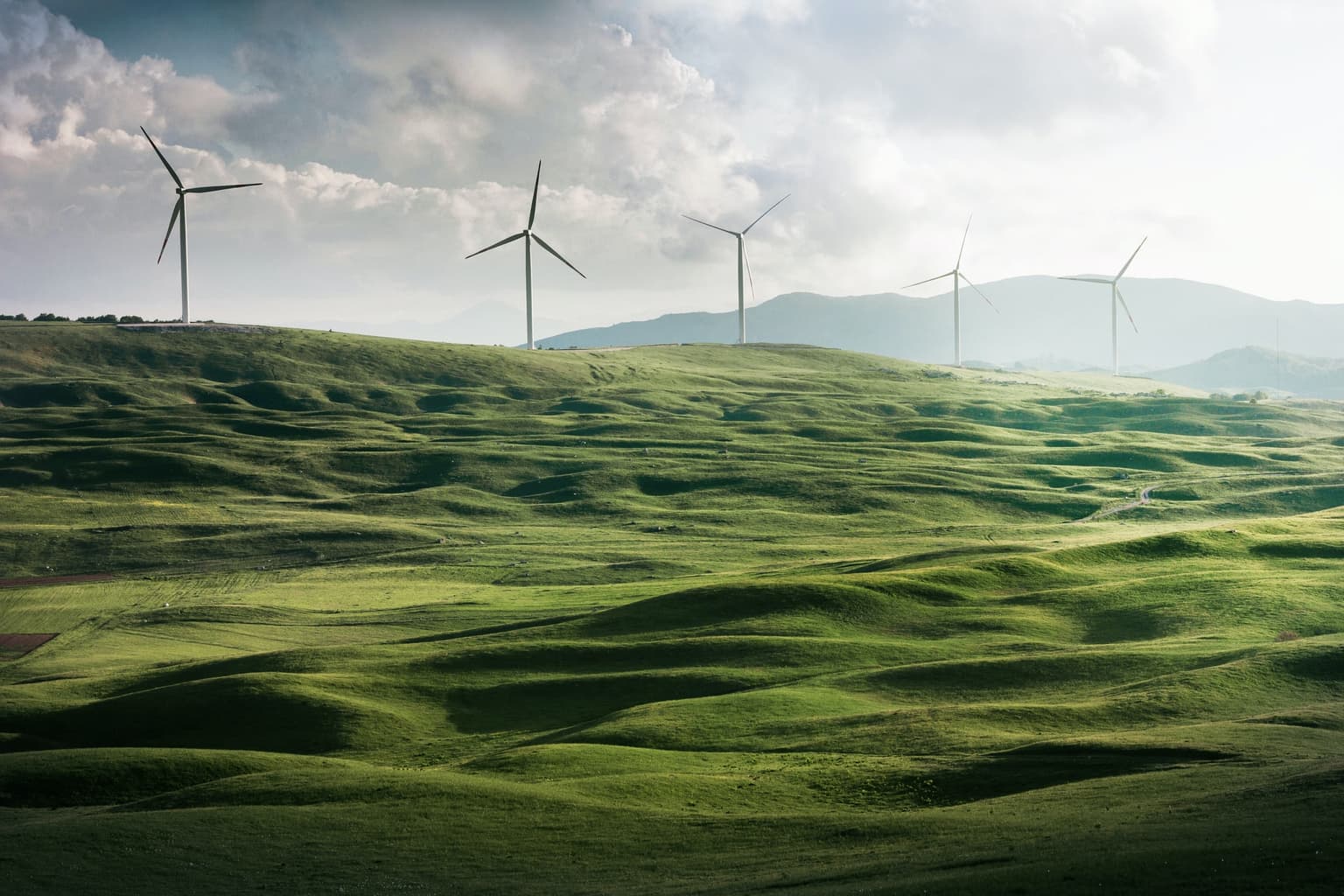
Trhový Štěpánov in the Benešov district opposes the new designation of so-called acceleration zones for the faster construction of wind farms. The town objects to the possibility that future turbines could disrupt views of Mount Blaník. The municipality’s leadership wants to meet with mayors of other nearby municipalities and agree on a joint approach, Trhový Štěpánov Mayor Josef Korn (Trhový Štěpánov Firefighters) told the Czech News Agency today.
Acceleration zones are areas designated administratively in Czechia where permitting for renewable energy projects, especially wind and solar power plants, is intended to be faster and simpler. The Ministry of the Environment reduced the number of areas designated for the accelerated construction of wind or solar power plants to 61. Of these, 46 areas remained unchanged and a further 15 were reduced in size. There were originally 110 zones.
You can read the full article HERE.
9. EU imports record volumes of Russian LNG this year as traders stock up ahead of upcoming ban
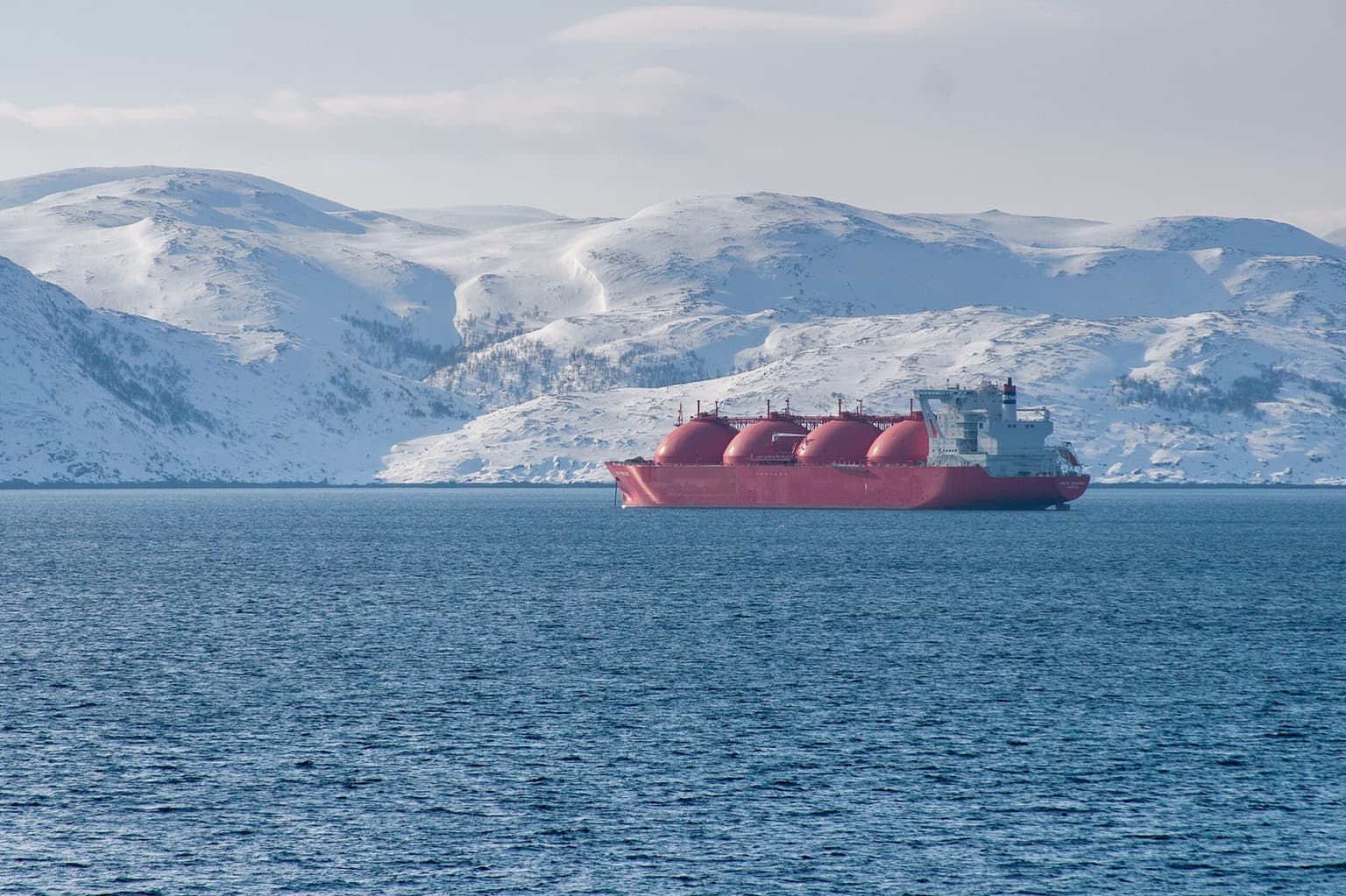
While the European Union says it aims to completely cut itself off from Russian energy sources, commodity market data points in the opposite direction. In the first half of this year, imports of liquefied natural gas (LNG) from Russia’s key Yamal terminal reached record levels. Analysts say the increase is primarily due to traders seeking to stock up ahead of the EU embargo.
According to Reuters, data from analytics firm Kpler showed that EU member states imported a total of 9.89 million tonnes of LNG from Russia’s Yamal terminal in the first half of this year. That represents an 18% year-on-year increase. European entities are estimated to have paid up to 6 billion euros for these deliveries. The main destinations for Russian LNG in the EU remain France (3.6 million tonnes), Belgium (2.9 million tonnes) and Spain (2.7 million tonnes).
You can read the full article HERE.
10. Another heatwave hits Western Europe: how did June’s heatwave affect electricity markets?
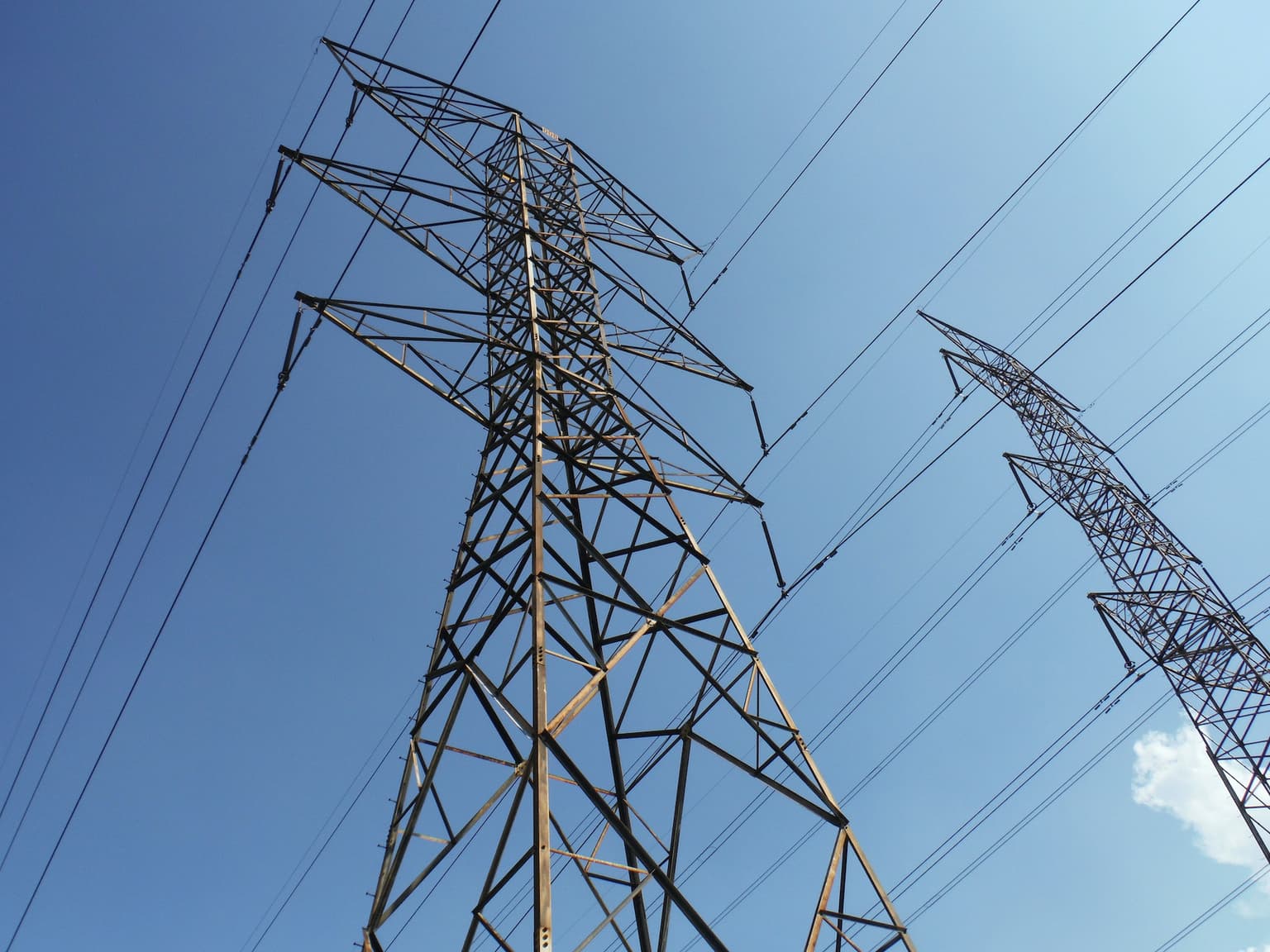
A record heatwave that hit much of Europe in June caused major volatility in the wholesale electricity market. In Hungary, wholesale electricity prices rose to an 18-month high, pushing prices up in neighboring Serbia and Romania as well. Germany saw some of the highest electricity prices in its history. Belgium, the Netherlands, Denmark and Poland also reported similar fluctuations, while French utility EDF had to curtail almost 12% of its nuclear power plant output because river water was too warm.
The heatwave that gradually swept across almost the entire continent in June followed a similar pattern in different countries. Temperatures climbed well above seasonal averages across much of Europe: up to 44 °C was recorded in France, over 40 °C in Germany, temperatures approached 40 °C in Hungary, and the United Kingdom recorded a new June record of 38 °C. The extreme heat increased demand for cooling while also limiting the availability of thermal and nuclear power plants, as rising river water temperatures affected the water needed to cool power stations.
You can read the full article HERE.
Energostat: electricity generation in the Czech Republic
Energostat: electricity generation in Germany
Find more up-to-date charts and data on Energostat
Translation disclaimer
This article is a machine translation of the Czech original and has not yet been fully reviewed. In case of any doubt, please refer to the Czech version.