Top 10 energy stories from the past week
This week, we’re once again bringing you a carefully selected list of the ten most important articles published on oEnergetice.cz. If you missed any of them, here’s a selection of the articles that attracted the most interest from our readers. Good luck in the week ahead!
1. Ukraine wants to resume uranium mining, responding to the global trend of strengthening nuclear self-sufficiency
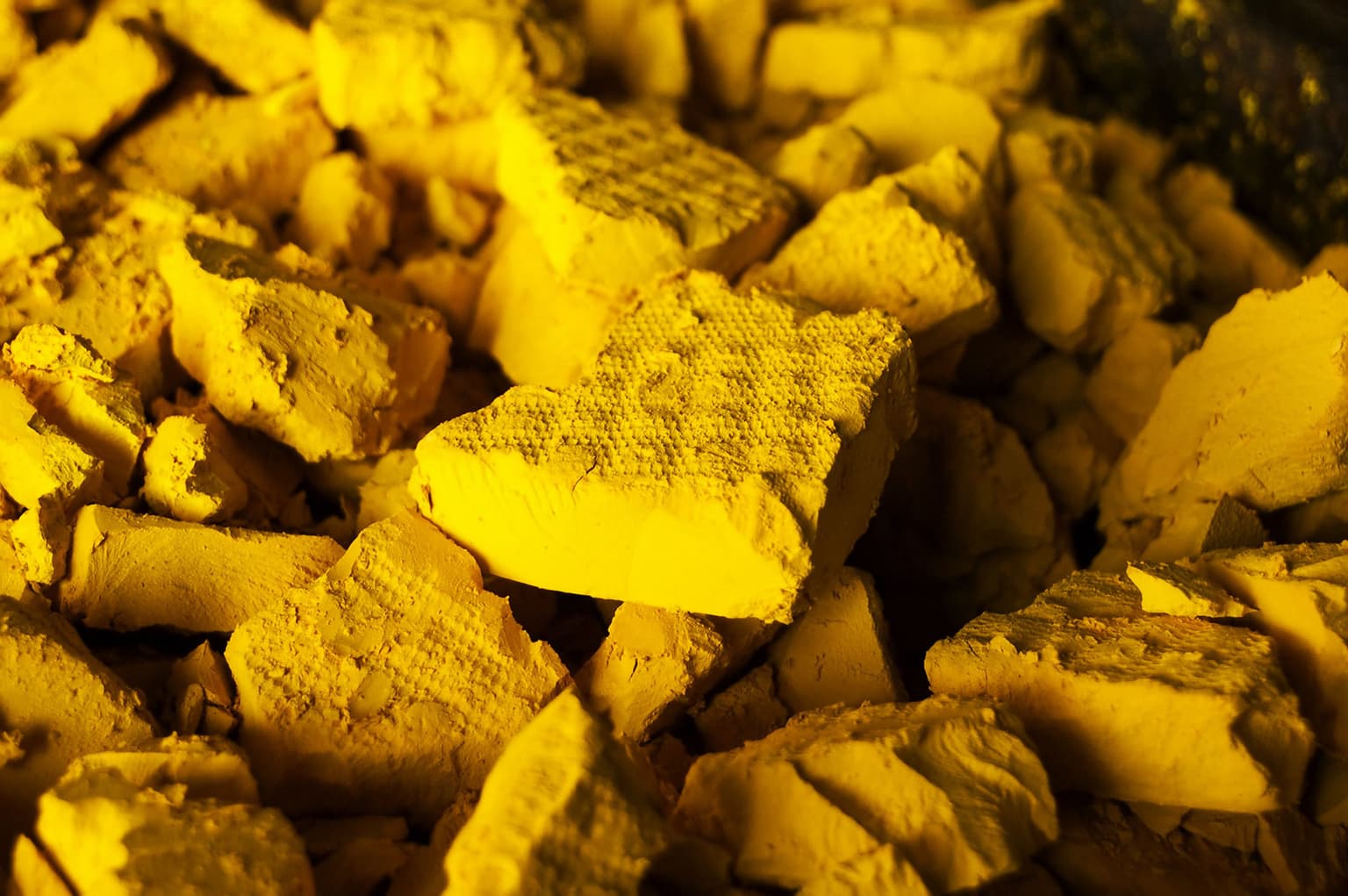
Ukraine plans to increase domestic uranium production to 750–800 tonnes a year, which would cover approximately 30% of its annual nuclear fuel consumption. Ukrainian Energy Minister Denys Shmyhal announced the plan at the Roadmaps to New Nuclear 2026 industry conference in Paris. The move is part of the Ukrainian government’s broader strategy to build a complete supply chain for domestic nuclear power that is independent of Russia—from ore mining and component manufacturing to electricity generation.
For Ukraine, returning to these production levels would mean restoring output to where it was before Russia’s invasion in February 2022. According to figures from the World Nuclear Association (WNA), the country mined 800 tonnes of uranium in 2019, but production fell to just 100 tonnes in 2022 as a result of the war. Output began to recover slowly in the following years, but in 2024 it still reached only 288 tonnes.
Read the full article HERE.
2. German wind auctions push prices below EUR 50/MWh for the first time since 2018
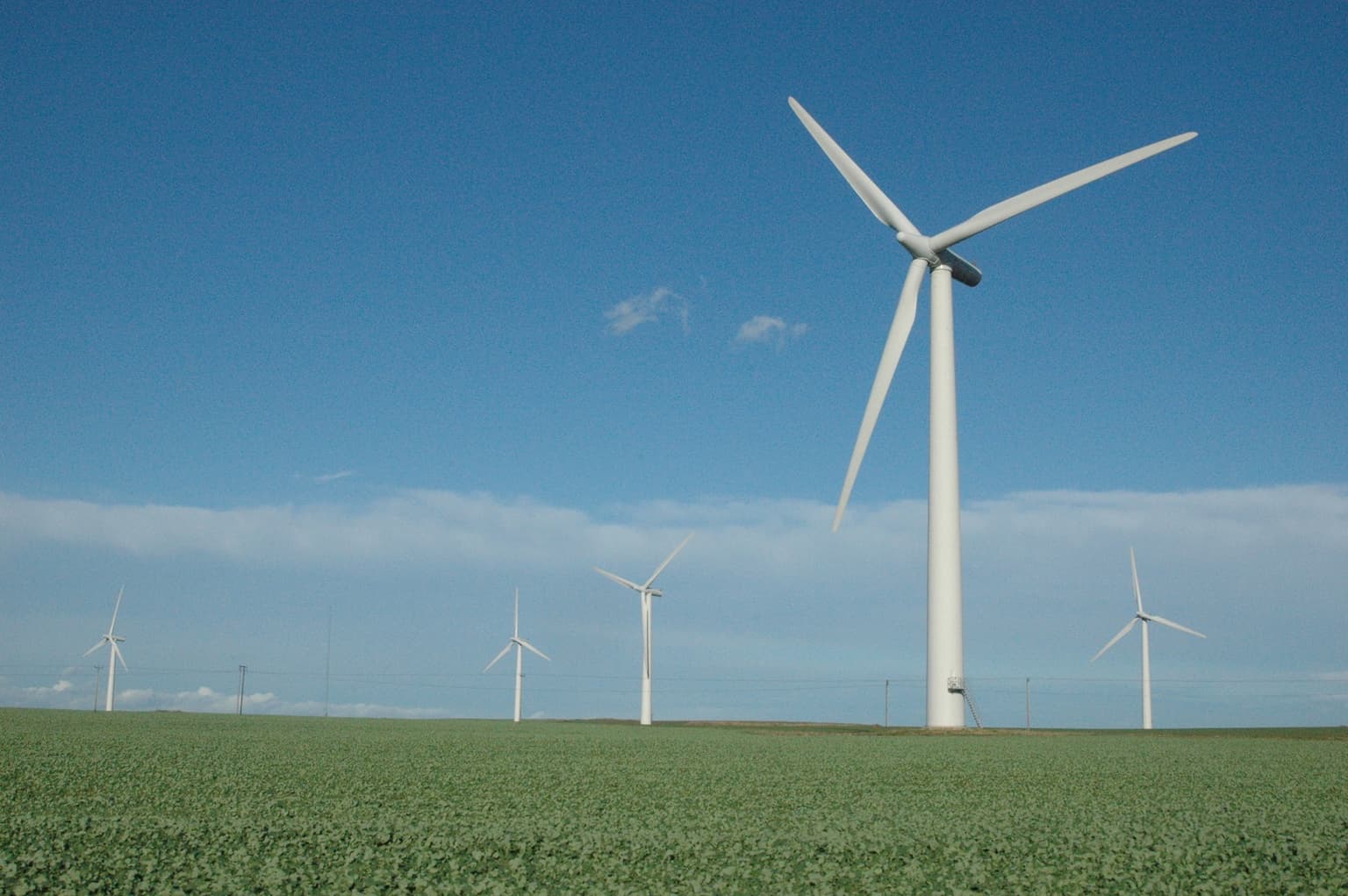
The average price of winning bids in Germany’s latest onshore wind tender fell to EUR 47.90/MWh, its lowest level in eight years. The auction attracted bids for projects with a total installed capacity of 5.3 GW, while projects with a capacity of 2.5 GW were awarded support. Developers may be motivated to participate by a desire to secure support before planned changes to grid connection rules. Critics say the changes could negatively affect the economics of new onshore projects in Germany.
Germany’s latest auction for operating support for new onshore wind farms attracted significantly more bids than the available capacity. The result was the lowest average auction price in eight years, falling below EUR 50 to EUR 47.90/MWh.
Read the full article HERE.
3. Slovenské elektrárne begins power start-up of Mochovce 4 nuclear unit
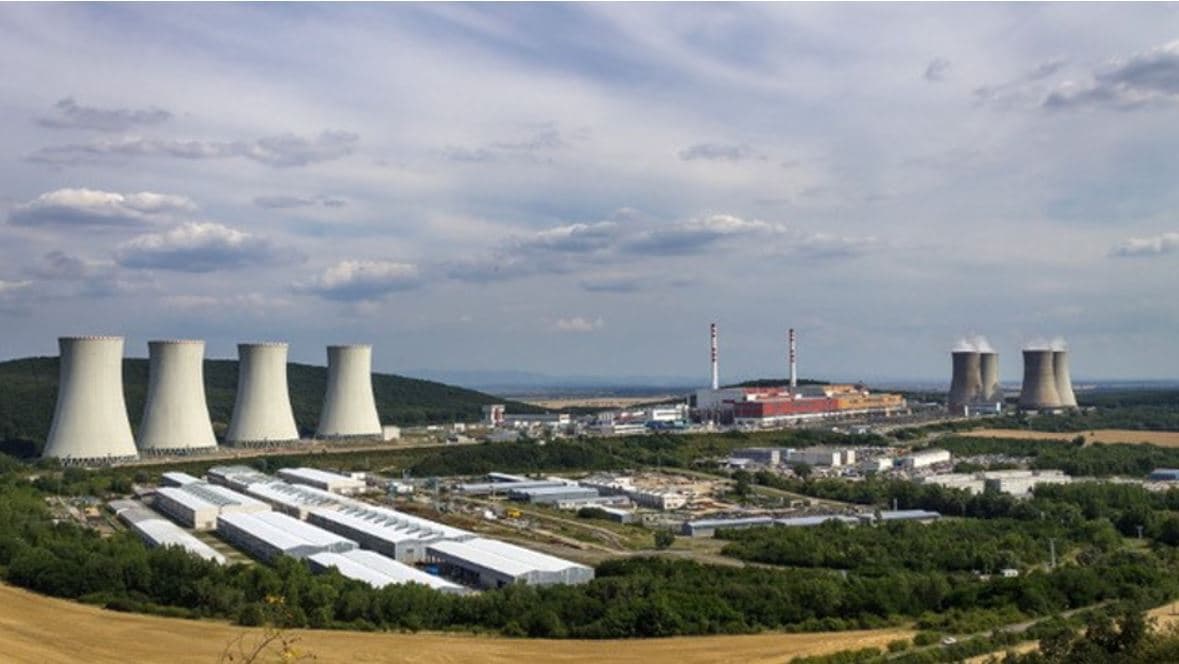
Slovakia’s new Mochovce 4 nuclear unit, with an installed capacity of 440 MW, is nearing commercial operation. Engineers have begun the unit’s power start-up, during which it will be connected to the grid and begin generating electricity. The unit will still undergo tests at various power levels before it is officially commissioned. Construction of the VVER-440 unit began in 1987, but was officially suspended after six years and did not resume until 2009.
Slovenské elektrárne announced that its new Mochovce 4 nuclear unit moved from the physical start-up phase to the power start-up phase on Monday afternoon. For the VVER-440 unit with an installed capacity of 440 MW (net), this is a key milestone on the way to commercial operation.
Read the full article HERE.
4. Zombie projects: Investors hesitate to build offshore wind farms in auctioned areas in Germany
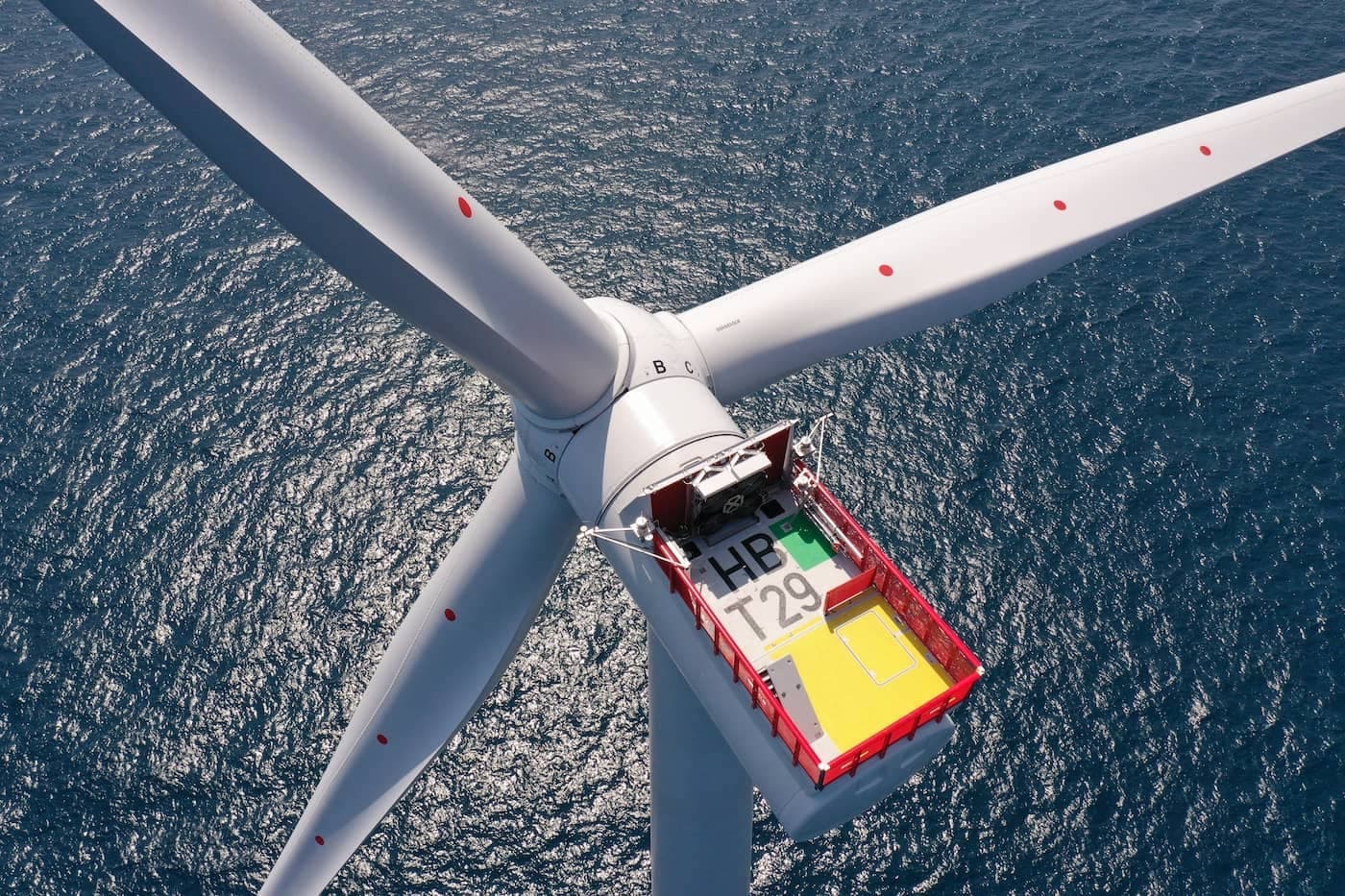
Germany’s offshore wind development is facing a problem. Investors bid billions of euros for the rights to build wind farms in the North and Baltic Seas, but are now hesitating over whether to proceed with some projects. The industry says up to 16 GW of planned wind farm capacity and investments worth tens of billions of euros may be at risk. High costs and uncertainty about future returns are to blame.
Between 2023 and 2025, Germany awarded investors the rights to build offshore wind farms with a total installed capacity of 17.8 GW. According to the German Offshore Wind Energy Association (BWO), projects with up to 16 GW of installed capacity could face difficulties reaching completion. If investors do not go ahead with the projects, the industry says manufacturers of turbines, cables and foundations, as well as other suppliers, would also lose orders.
Read the full article HERE.
5. New EU compromise: Major change ahead for the emissions trading market
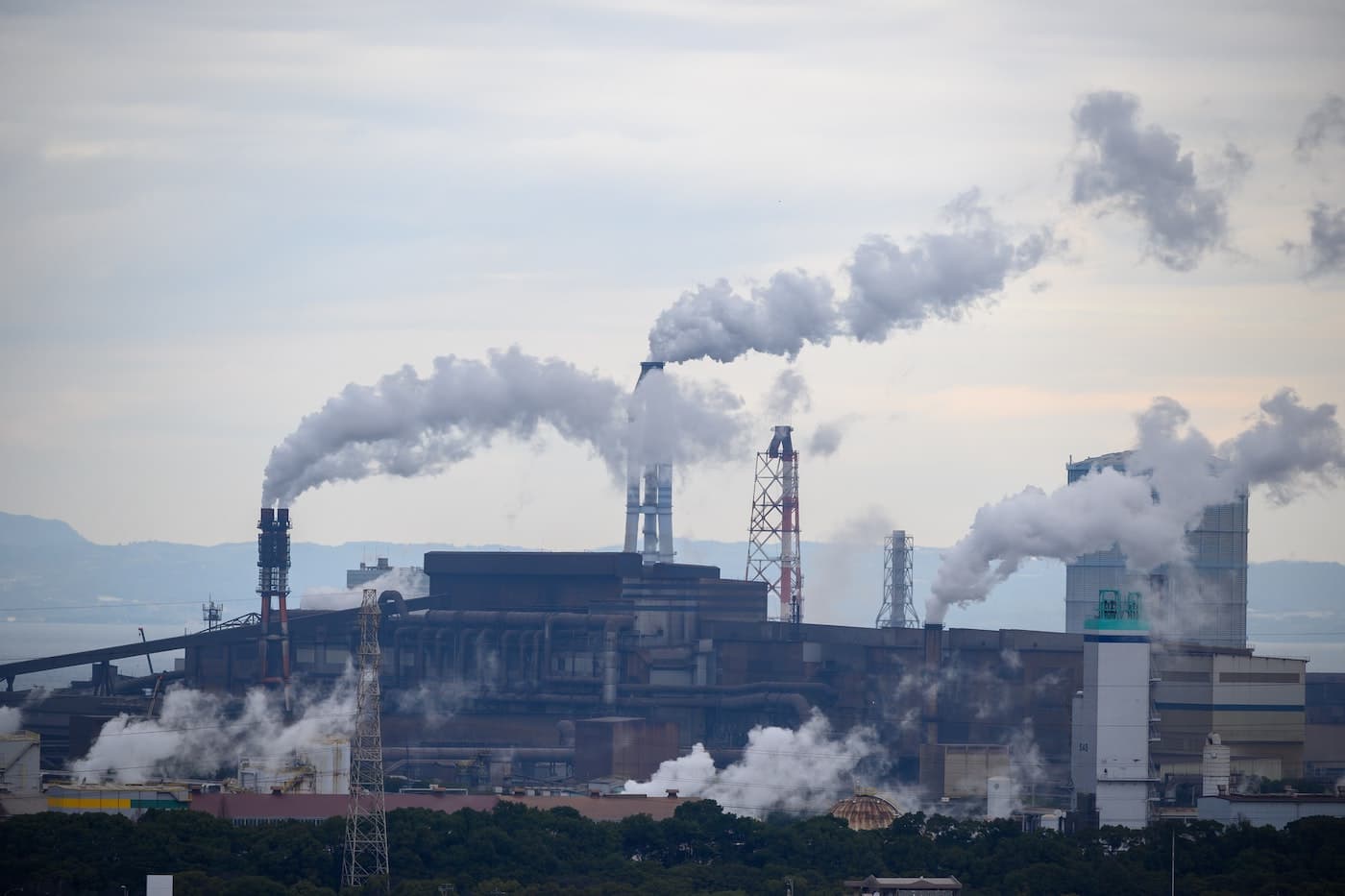
Brussels, 23 September (ČTK) - EU member states today agreed on changes to the European Commission’s April proposal concerning the ETS 1 emissions trading system. The Commission proposed amending the Market Stability Reserve (MSR), which regulates the supply of allowances on the market. Under the new proposal, allowances would no longer be invalidated if the reserve contains more than 400 million. Instead, they would remain in the reserve as a stock for future use. Today, however, the member states proposed that allowances should not be cancelled until 2030. From 2031, allowances in the MSR above the 800 million threshold would be invalidated, Reuters reported.
“The Czech Republic supported the presidency’s proposal today, although we consider the Commission’s original proposal to be better,” Industry and Trade Minister Karel Havlíček (ANO) told ČTK.
Read the full article HERE.
6. US states sue federal government over wind power
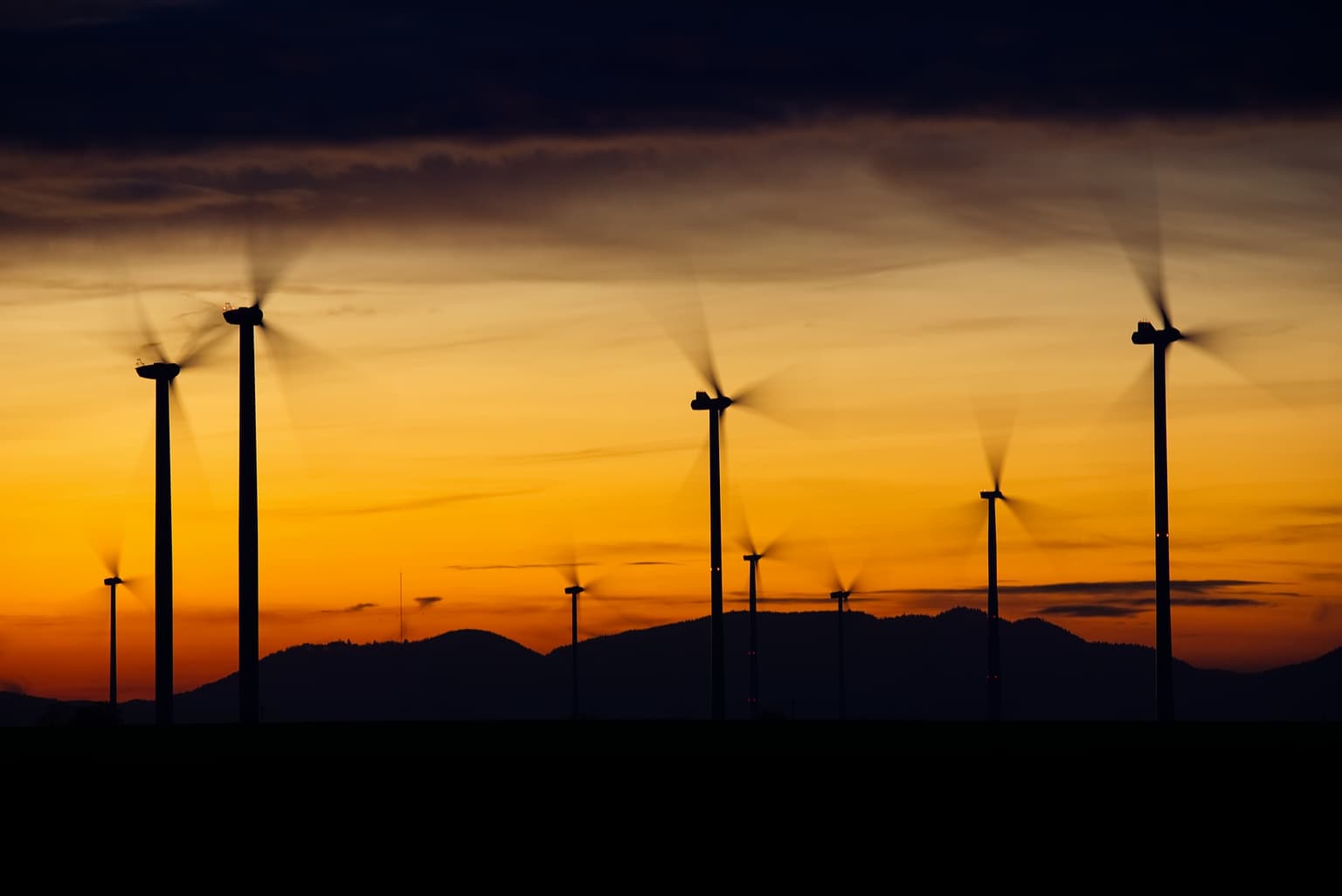
Several US states are stepping up legal action against the federal government over its decision to revoke permits for offshore wind farms. Developers were paid in exchange for cancelling the permits.
According to RenewablesNow, the lawsuits target agreements that would lead to the termination of four offshore wind farm projects. Seven US states, including New York, have launched legal proceedings challenging agreements between the US Department of the Interior and offshore wind developers Invenergy and Bluepoint Wind. If the agreements take effect, they would cancel four offshore wind projects in exchange for payments totalling approximately USD 1.4 billion.
Read the full article HERE.
7. EU grapples with high gas prices and import dependence but continues to reject Norway’s Arctic drilling plans
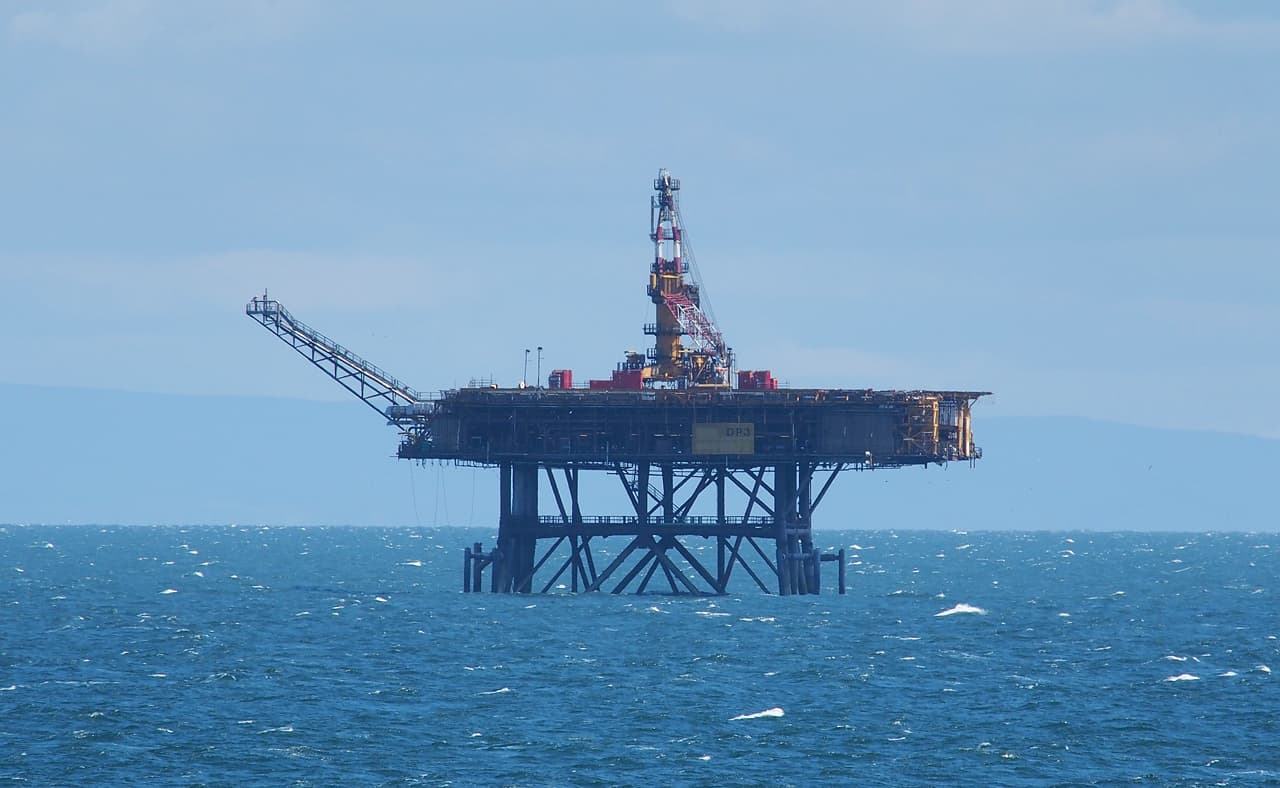
Despite ongoing tensions in global markets and high natural gas prices, the European Union plans to maintain its opposition to developing oil and gas production in the Arctic. A European Commission spokesperson confirmed that the EU continues to stand by the moratorium set out in its 2021 Arctic strategy. The EU opposes not only new production to protect sensitive polar ecosystems, but also the future purchase of fossil fuels extracted in this way.
The EU’s position is in direct conflict with Norway’s plans. Following the curtailment of Russian supplies, Norway has become a key supplier helping to ensure Europe’s energy security. Norway currently accounts for approximately 30% of total EU gas imports and intends to retain its position as the largest supplier in the future.
Read the full article HERE.
8. Does Hungary need Paks II? Government to decide this year and pledges to end Russian gas imports
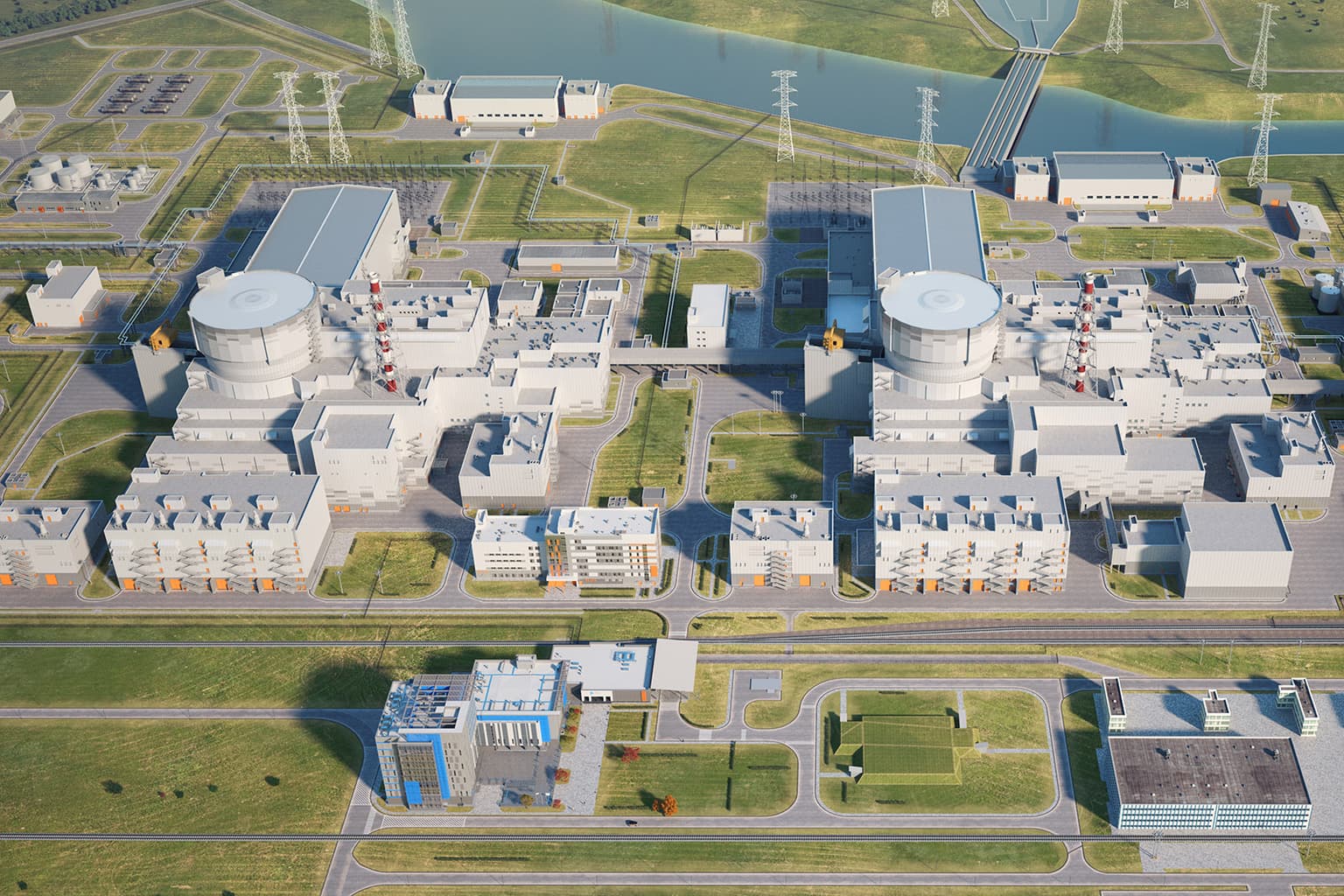
Seven months after construction of the Paks II nuclear power plant officially began, Hungary’s new government is reviewing whether it needs the new Russian-built units. The economy and energy minister points to the growth of solar power and drought, which has curtailed the operation of existing units. He also says the country could do without Russian gas in as little as a year if developments are favourable. Independent data, however, show that the share of Russian gas in imports has actually increased in recent years.
The first concrete pour took place this February, officially marking the start of construction on Unit 5, equipped with a VVER-1200 reactor. It was the first construction start in Europe in more than six years and the first Russian nuclear project to begin in an EU member state. The two new units are scheduled to start supplying electricity in the early 2030s. Reports from Budapest now suggest that the new government is considering whether to continue building on the concrete foundations at all.
Read the full article HERE.
9. Battle for transformers and wind turbines: EU protects strategic electrical steel
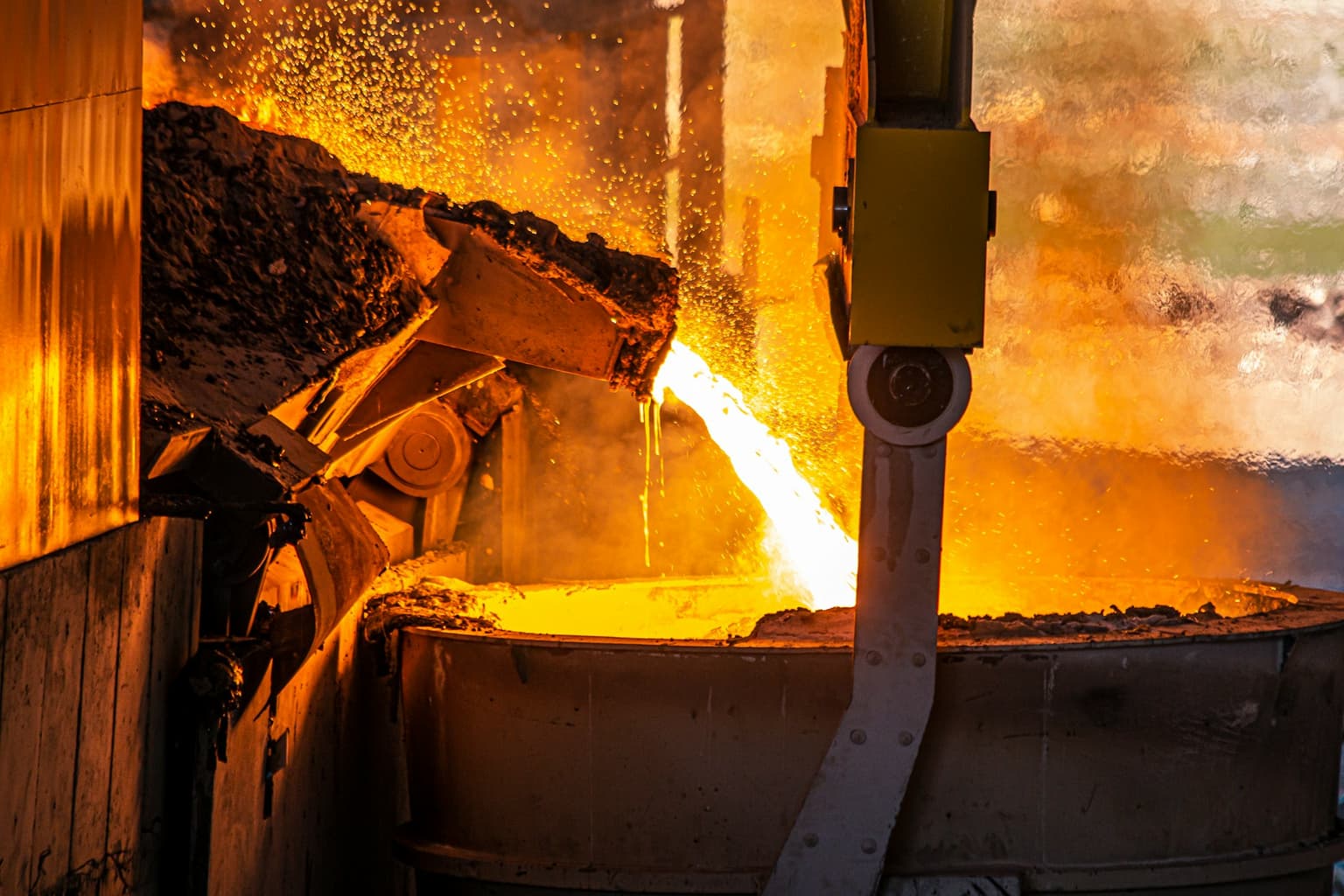
The European Union will introduce a set of import quotas and minimum prices for electrical steel and products made from it. The aim is to protect the European market from cheap imports, particularly from Asia. These provisional measures follow an investigation by the European Commission, which is still ongoing.
The measures will help Thyssenkrupp and its steel division TKSE, as well as Poland’s Stalprodukt SA. They are the last companies operating in this sector. Electrical steel is a specific alloy of iron and silicon. It is used mainly where its magnetic properties are needed, particularly in the electricity sector, for example in transformers. Unlike other industrial products, however, electrical steel is not covered by the measures the EU introduced at the beginning of the year.
Read the full article HERE.
10. Czech nuclear industry scores a success as Škoda JS joins Rolls-Royce SMR project
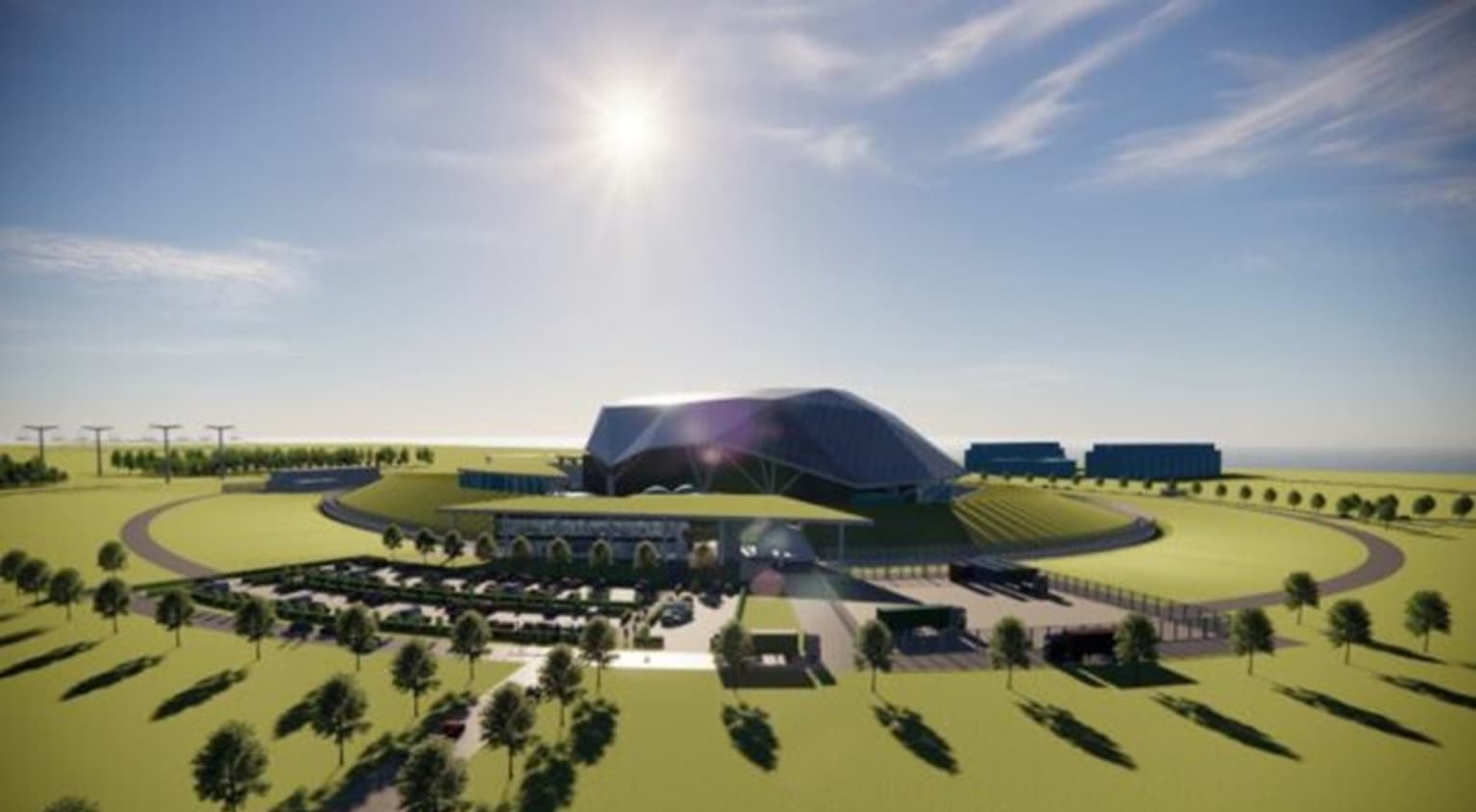
Škoda JS, part of the ČEZ Group, today signed a contract with British company Rolls-Royce SMR to supply drives for small modular reactors. The contract makes the Plzeň-based Škoda JS the exclusive designer and supplier of the reactor drives. Each individual delivery will be worth around one billion korunas. Industry and Trade Minister Karel Havlíček (ANO) said this at a press conference today. The first small modular reactor in the Czech Republic is expected to be built at Temelín in the mid-2030s.
Škoda JS will be responsible for developing a prototype drive for small modular reactors and will subsequently supply the drives to the British company. “The contract also includes preparations for mass production at Škoda JS and the principles for a future contract to supply control systems globally to all Rolls-Royce SMR reactors. This represents the prospect of repeat orders worth more than one billion korunas for each SMR,” said Škoda JS CEO Karel Bednář.
Read the full article HERE.
Energostat: electricity generation in the Czech Republic
Energostat: electricity generation in Germany
Find more up-to-date charts and data on Energostat
Translation disclaimer
This article is a machine translation of the Czech original and has not yet been fully reviewed. In case of any doubt, please refer to the Czech version.