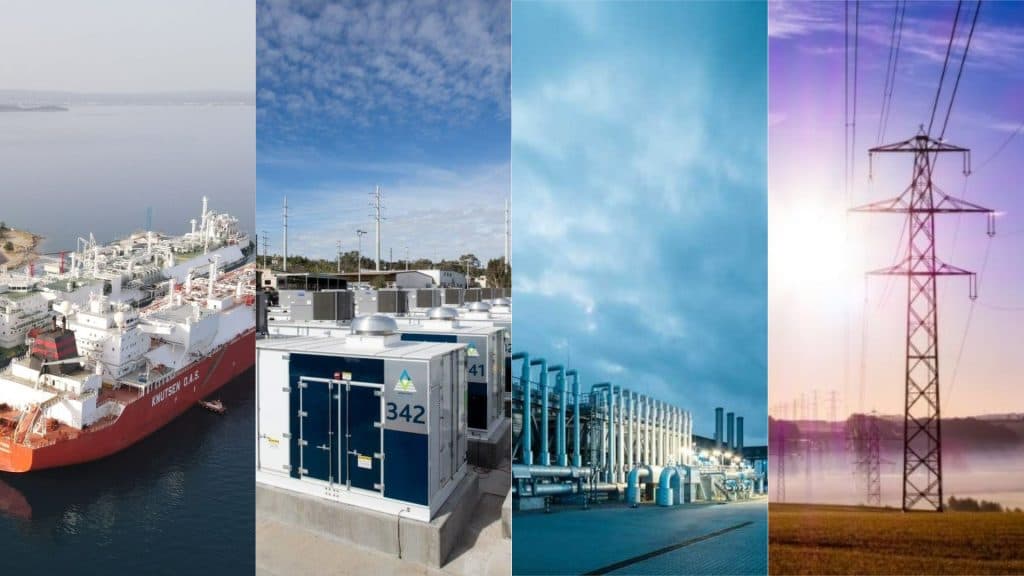
This week, we once again bring you a carefully selected list of the ten most important articles we published on oEnergetice.cz. If you missed any of them, here is a selection of the articles that attracted the most interest from our readers. Best of luck in the new week!
The rapid growth of battery storage projects in Germany is raising concerns among transmission system operators about a looming crunch in grid connection capacity. Investors are currently seeking connections for projects with a combined capacity of more than 250 GW. Transmission system operators are therefore calling for legislative changes to prevent irreversible “lock-in” effects that could threaten grid access for industry, data centers and new power plants. The government is also considering setting an upper limit on battery development.
According to German transmission system operators, current grid connection applications include battery storage projects with a combined capacity of more than 250 GW. The operators warn that the current rules give priority to projects that apply first, regardless of their benefits to the grid.
In its latest publication, World Energy Outlook 2025, the International Energy Agency (IEA) expects electricity demand to grow by 40 to 50% by 2035. Unlike in previous years, demand growth is not expected to be driven primarily by China, but also by developed countries and other developing economies outside China.
The International Energy Agency said that electricity is “at the heart of advanced economies” and that demand for it is growing faster than total energy consumption in all the scenarios considered.
Like other EU member states, Czechia is preparing to develop a hydrogen economy. However, according to a recently published development plan for the Czech gas transmission system, prepared by its operator NET4GAS, domestic hydrogen production in the EU will not be enough to meet projected demand, so a large share of the commodity will have to be imported into the EU. The planned hydrogen transmission corridors and related hydrogen infrastructure, which is expected to be ready by 2040, are set to play a key role.
The European Union and many of its member states have high hopes for a hydrogen economy, which is expected to help decarbonize their energy sectors. In addition to seasonal storage for renewable energy, hydrogen could also offer a way to decarbonize industrial processes that commonly use hydrogen produced from natural gas.
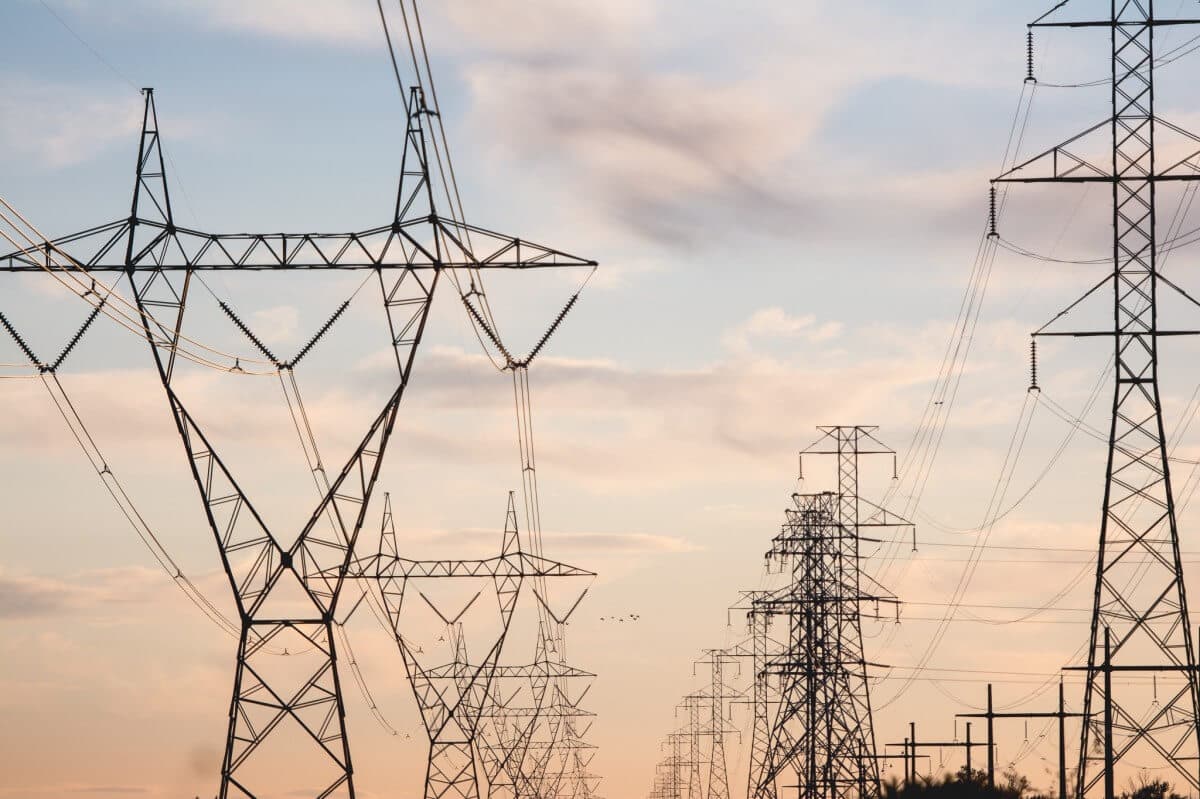
The so-called Dunkelflaute phenomenon—periods of low wind and solar power generation—is becoming increasingly apparent as installed renewable capacity grows. Such conditions also occurred in Germany toward the end of last year, when day-ahead market prices surged to as much as a thousand euros per MWh. Representatives of the German grid regulator and antitrust authority have now said their investigation has so far found no unlawful market manipulation. The extreme electricity prices were therefore justified in these circumstances.
In recent years, subsidized solar and wind farms have been pushing conventional thermal power plants out of the market, leading to greater volatility in short-term electricity markets. In favorable conditions, electricity prices often fall to zero or below, while in the opposite conditions they soar to hundreds or even thousands of euros. These situations, known in German as Dunkelflaute, also attracted the attention of German regulators toward the end of 2024.
Reality shows that, despite its many advantages, hydrogen is economically unviable as an energy source. Even subsidies worth billions of euros have not been enough to deliver the expected technological breakthrough, and investors are staying away from hydrogen.
In his book The 7 Habits of Highly Effective People, Stephen R. Covey compares a company to a team hacking its way through a jungle with machetes. The employees do the cutting, while their managers set the pace and sharpen the machetes. From above the treetops, senior management checks whether the company is heading in the right direction through the right jungle. After years of developing the green hydrogen business, the message from above is: “Wrong jungle!”
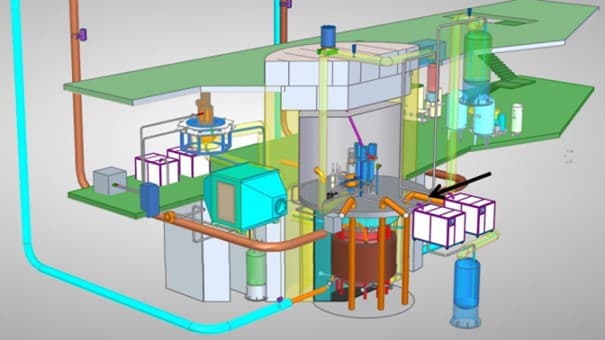
China is taking the lead in research into advanced nuclear technologies. Its latest milestone is the start of thorium-cycle tests in the TMSR-LF1 prototype liquid-fuel reactor, which uses molten salts.
There is renewed interest in liquid-fuel reactors, which use molten salts containing uranium, thorium or transuranic elements. These reactors could make it possible to close the fuel cycle, and thorium could offer major advantages in this respect. A liquid-fuel blanket could also be used in subcritical accelerator-driven transmutation systems, which would enable highly efficient burning of nuclear waste. China is focusing intensely on these technologies and has achieved a new breakthrough. Tests have begun in the new TMSR-LF1 (Thorium-based Molten Salt Reactor Liquid Fuel) prototype, using thorium to produce uranium-233.
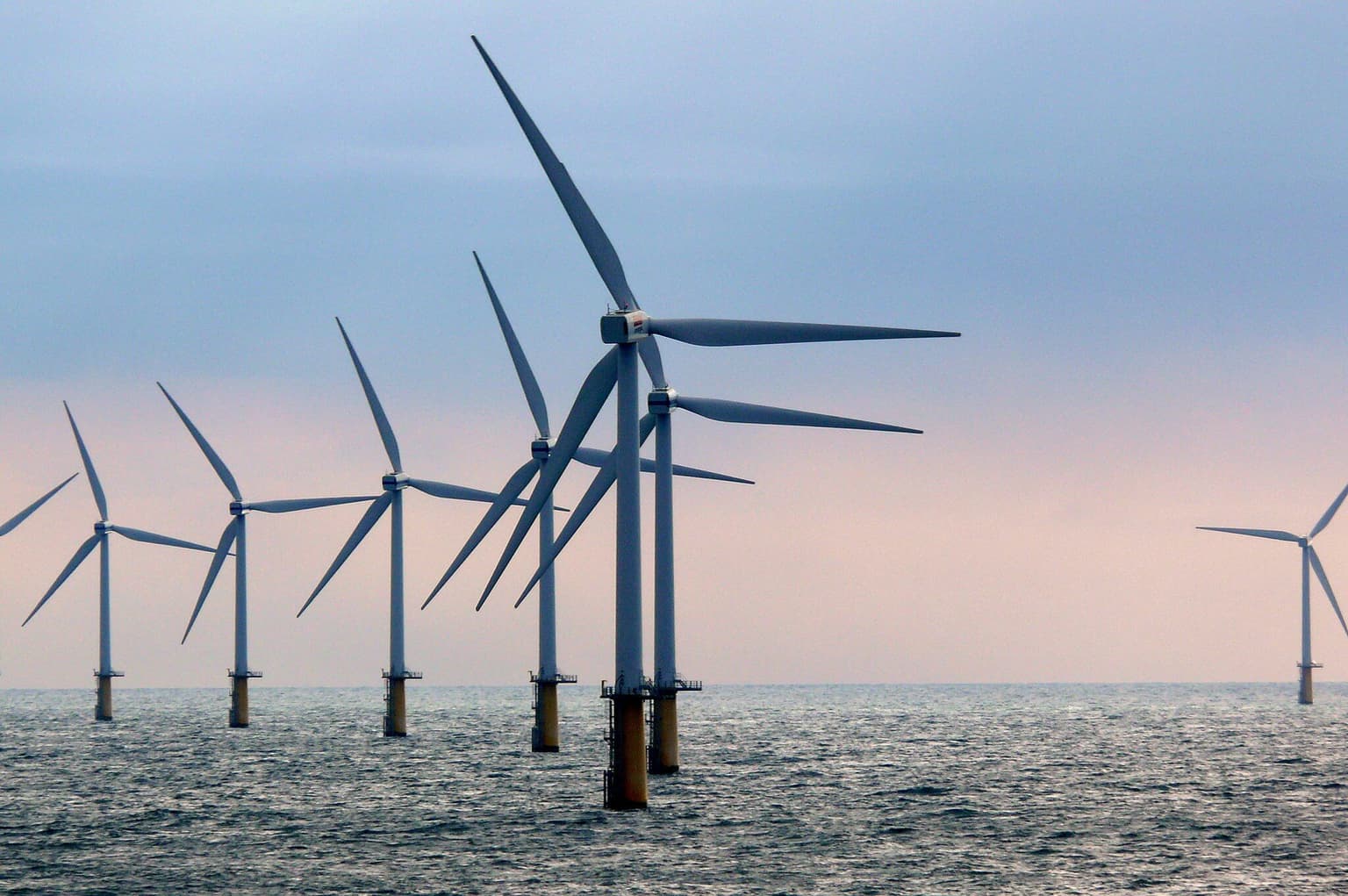
Multinational energy group Shell has announced it is exiting two offshore wind farm projects in the United Kingdom. Like some other oil and gas majors, Shell has been reassessing its strategy in recent years and, after previously setting ambitious plans for renewable energy development, is returning to oil and gas production.
Following a review of its strategy, Shell’s management decided to leave the MarramWind and CampionWind offshore wind farm projects. Shell has sold its 50% stake in MarramWind to ScottishPower Renewables, while for CampionWind it returned the lease rights to Crown Estate Scotland, which manages the Crown Estate. According to Reuters, it is not yet clear whether CampionWind will proceed in another form. Together, the two projects were expected to provide around 5 GW of installed capacity.
Russia’s revenue from oil and fuel sales fell by 2.3 billion year on year to USD 13.1 billion (about CZK 273 billion) in October. The decline was due to lower export volumes and prices, the International Energy Agency (IEA) said today. Exports of crude oil and oil products fell by 150.000 barrels per day to 7.4 million barrels per day, reversing the increase recorded in September.
Russia’s vital energy industry is under pressure from intensified Ukrainian drone attacks on oil refineries and pipelines. It is also being weakened by Western sanctions aimed at reducing Moscow’s revenue, which is used to wage war in Ukraine.
Two developments with the potential to significantly affect nuclear energy growth took place in the US in a single week. The New York Power Authority (NYPA) issued its first requests for proposals for developing advanced nuclear reactors in upstate New York. In Illinois, lawmakers approved a law that will lift a more than 30-year moratorium on the construction of large nuclear power plants on January 1, 2026.
New York Governor Kathy Hochul tasked NYPA this year with developing a plan for at least 1 GW of new installed nuclear capacity in New York State. Immediately after the announcement in June, the authority began a preliminary assessment and consultations with key stakeholders.NYPA has now published two separate Requests for Information (RFIs). The first call is aimed at municipalities and regions in the northern part of the state interested in hosting an advanced nuclear reactor project. Applicants must identify at least one site with “strong potential for a new nuclear power source”—that is, one with sufficient space, access to water and appropriate protection against external hazards—and provide evidence of support from the local community and key stakeholders.
Italy’s steel federation Federacciai warns that, without a fundamental change in European industrial policy, the continent’s last blast furnaces could close, the S&P Platts website reports. While Italy is urging Brussels to ensure affordable energy and effective protection against cheap imports, Czech steelmakers are calling on the new government in an open letter to make Czechia’s voice heard in the EU before Europe loses the ability to produce strategic materials independently. The federation describes the switch to hydrogen-based steel production as technologically and economically absurd.
Europe’s steel industry is at a crossroads, a point urgently raised by Italian steel federation Federacciai. It warns that without a fundamental and targeted European industrial policy, Europe risks losing its strategic steel production—the key raw material for construction, the automotive industry, infrastructure and the defense industry.
Data in this chart is also available in 15-minute resolution60min15min
Energostat: electricity generation in Germany
Data in this chart is also available in 15-minute resolution60min15min
Find more up-to-date charts and data on Energostat
Translation disclaimer
This article is a machine translation of the Czech original and has not yet been fully reviewed. In case of any doubt, please refer to the Czech version.