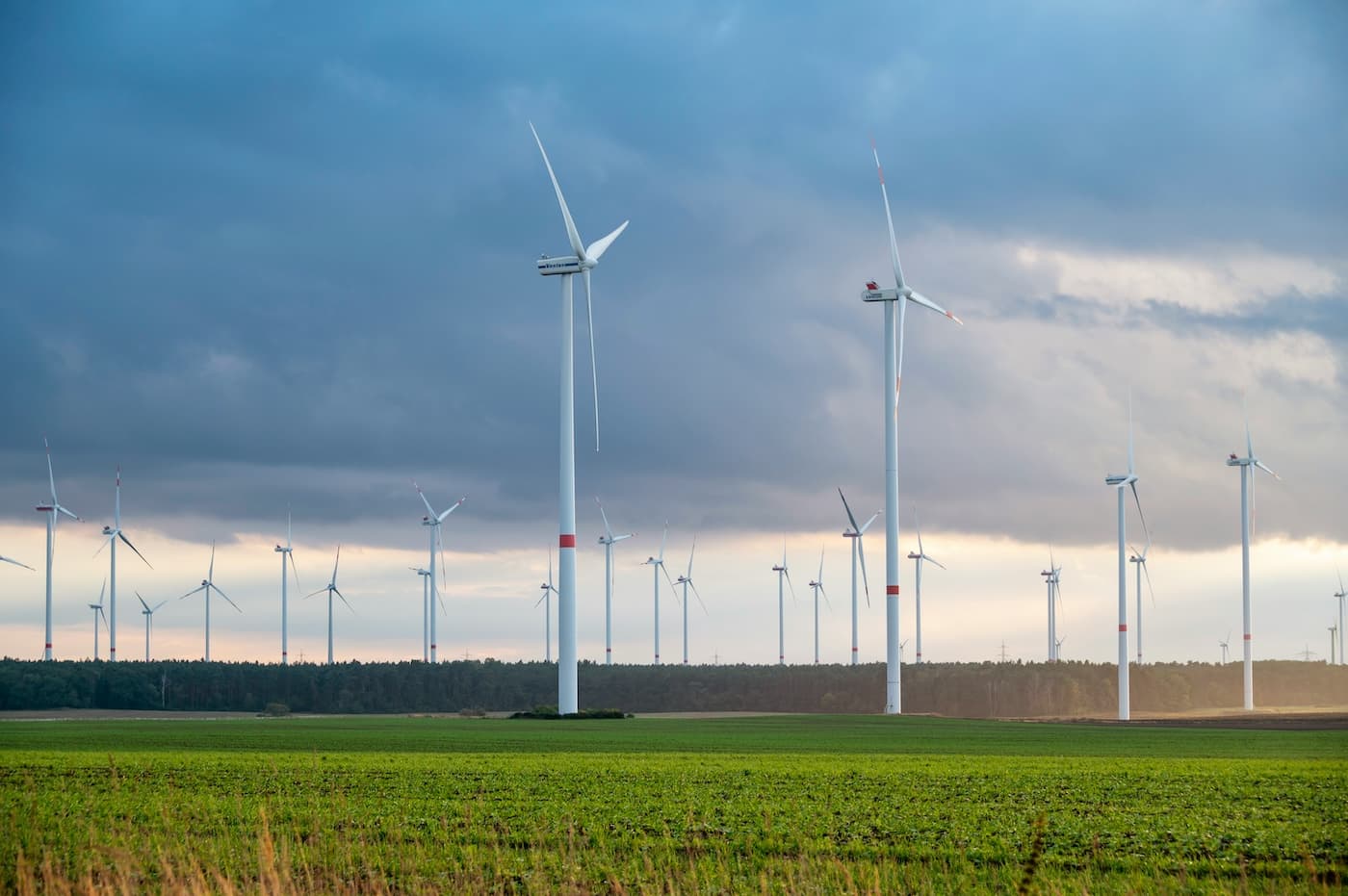
Just two years ago, it seemed that Czechia would finally unblock the construction of wind and solar power plants. Today, according to lawyer Pavel Doucha, who represents both investors and municipalities, more and more projects are facing negative opinions again, agreements with developers are being cancelled, and the permitting process is running into old and new obstacles.
Why is permitting for wind and solar power plants becoming more complicated again? What role does disinformation play, and why are acceleration areas a missed opportunity? Pavel Doucha discusses all this in an interview with Ekonews.
Read the full article HERE.
2. New Chinese nuclear unit Taipingling 2 reaches criticality for the first time
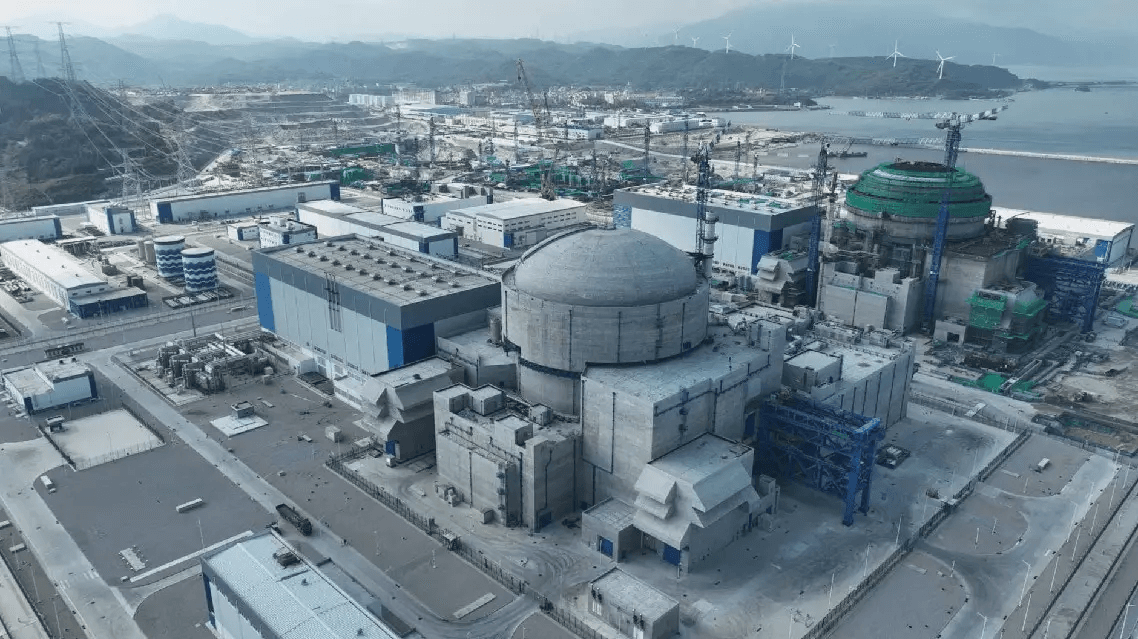
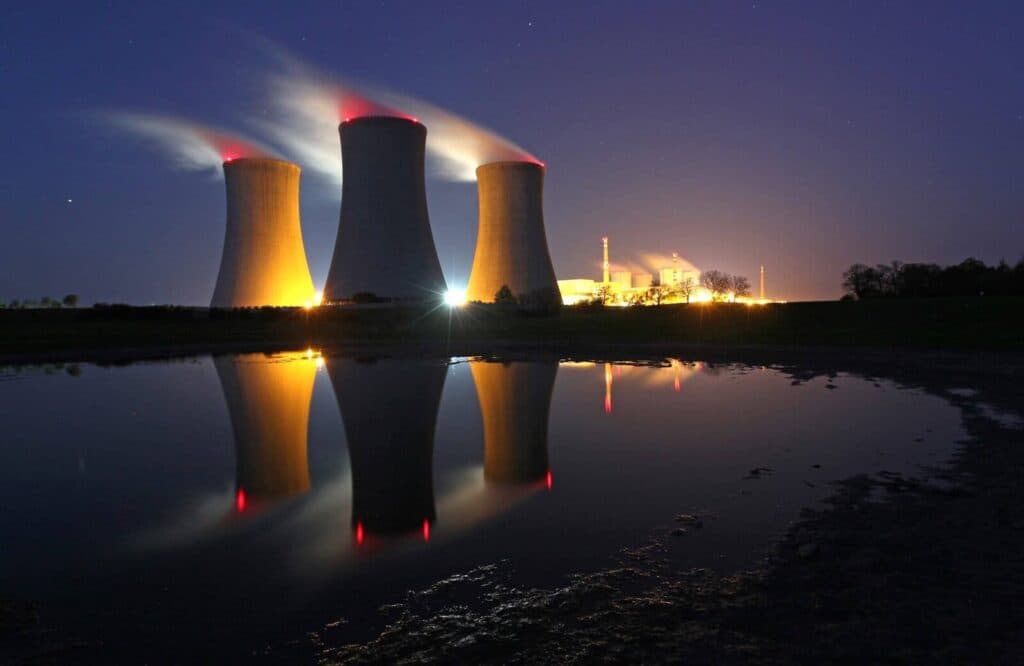
China General Nuclear (CGN) announced that its second unit at the Taipingling nuclear power plant had reached criticality for the first time, marking the start of a stable nuclear fission chain reaction. The unit’s Hualong One (HPR1000) pressurised water reactor has an installed capacity of 1 116 MW (net) and is expected to generate around 9 TWh of electricity annually. The company began construction on 15 October 2020.
Read the full article HERE.
3. Russian tanker armed with heavy machine guns, media report
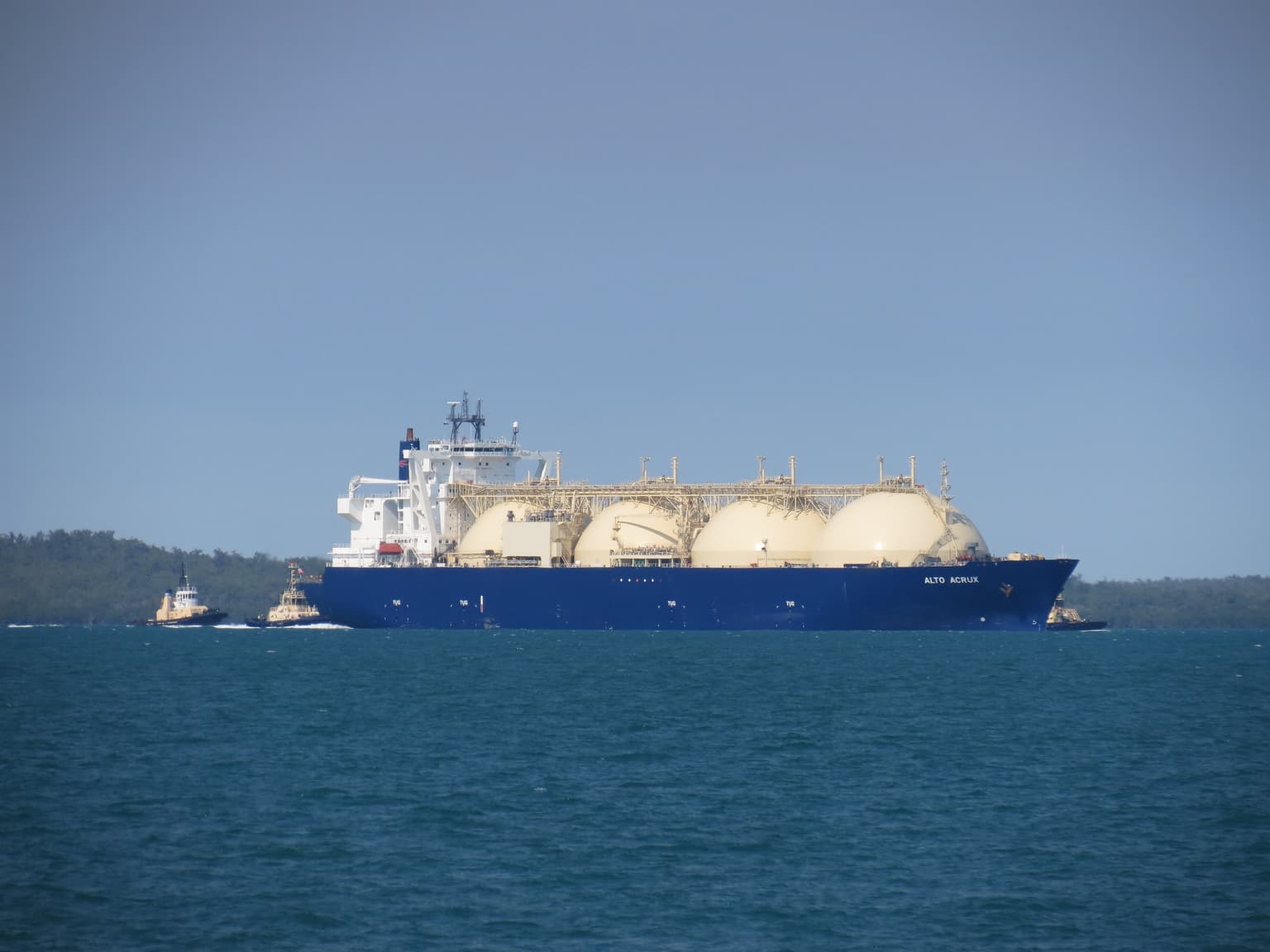
This is the first case of heavy weapons being placed on a Russian civilian tanker, the website of German broadcaster Deutsche Welle reported. Experts believe the main purpose of the guns is to prevent the vessel from being detained while sailing near European shores, BBC News noted; two heavy machine guns would hardly be enough to defend the ship against a drone attack.
Read the full article HERE.
4. EU member states reject centralised grid-planning model; wind industry protests
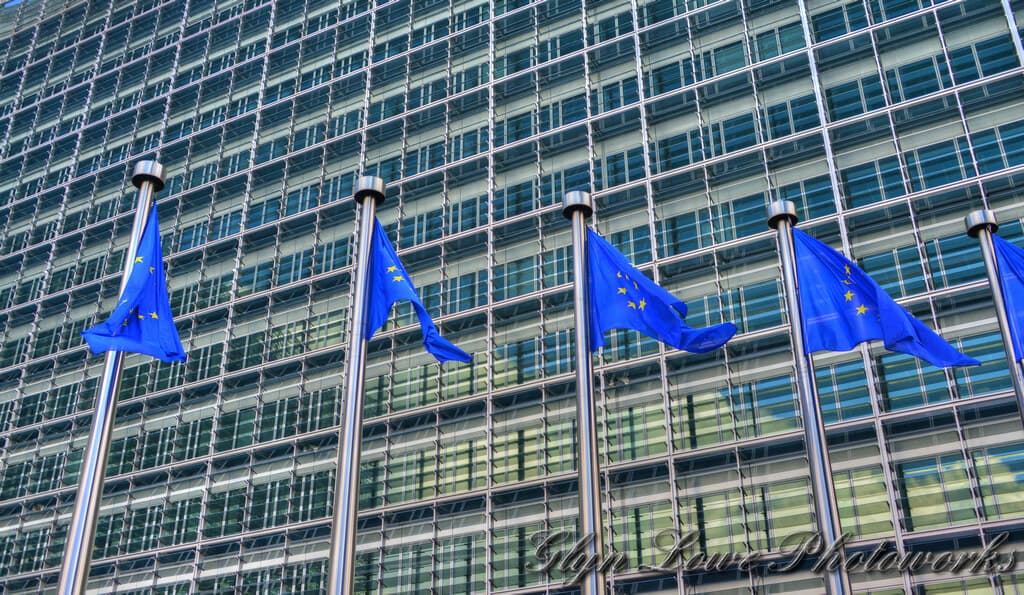
At the centre of the dispute is the European grids package, which the Commission presented last December. Its aim is to speed up grid planning, permitting and construction so that the Union can efficiently connect new energy sources and strengthen cross-border interconnections. The key measures are to accelerate permitting processes and significantly centralise planning in the hands of the Commission.
Read the full article HERE.
5. Slovakia restarts some aluminium production; electricity prices will be decisive
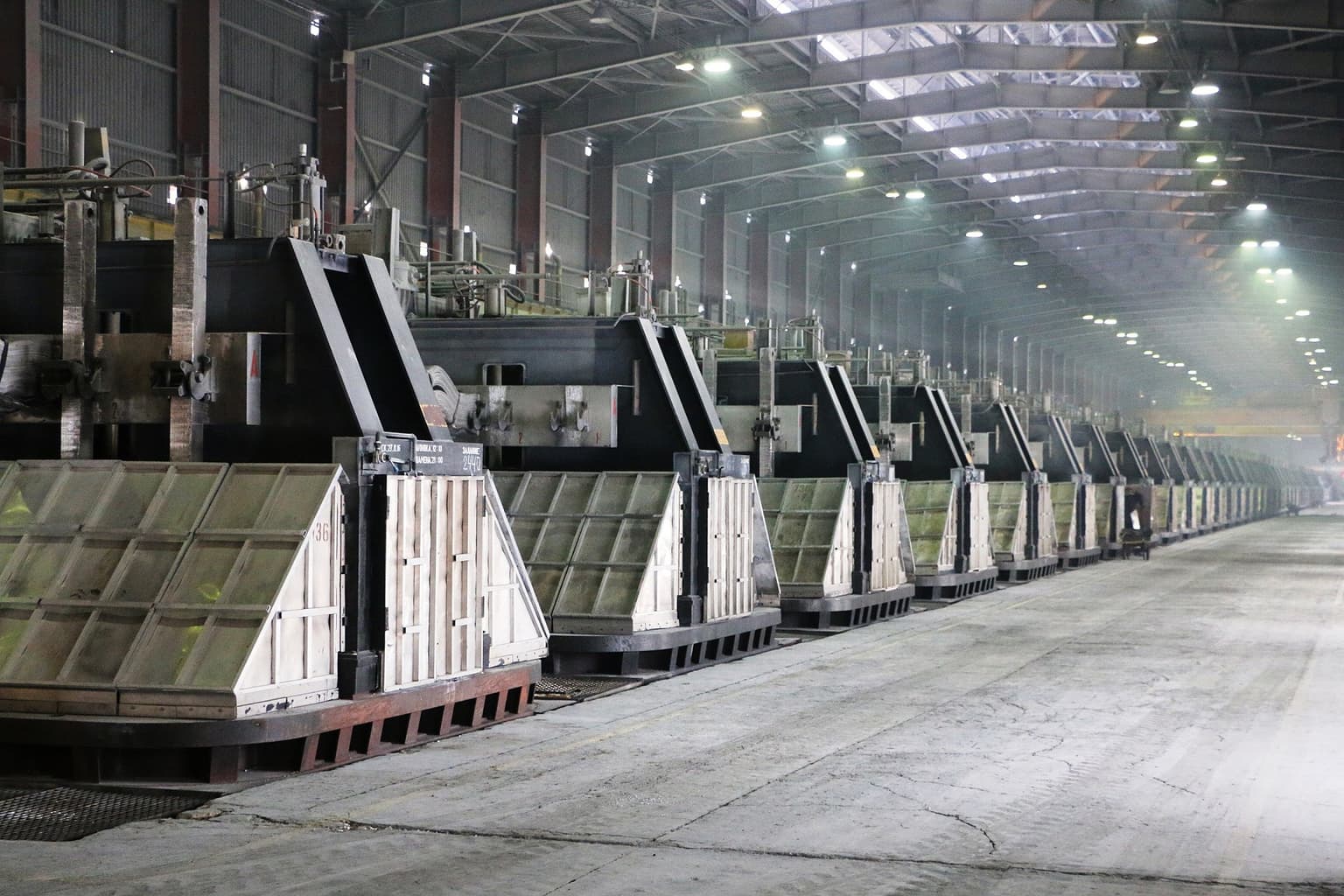
Slovalco, the Slovak aluminium smelter in Žiar nad Hronom, majority-owned by Norway’s Norsk Hydro, is set to partially resume primary aluminium production after several years offline. The plant was scaled back in 2022, when a sharp rise in electricity prices in Europe, combined with the cost of emissions allowances, put the European aluminium industry under exceptional pressure.
According to Norsk Hydro, an agreement with the Slovak government will enable the restart of 75 thousand tonnes of annual production capacity, with production expected to resume in the fourth quarter of 2026. The plant’s total capacity is 175 thousand tonnes of aluminium per year. Restarting the remaining 100 thousand tonnes will depend on conditions after 2030 and on securing additional long-term electricity contracts.
Read the full article HERE.
6. Debate over abolishing Sweden’s bidding zones intensifies; critics say they have failed
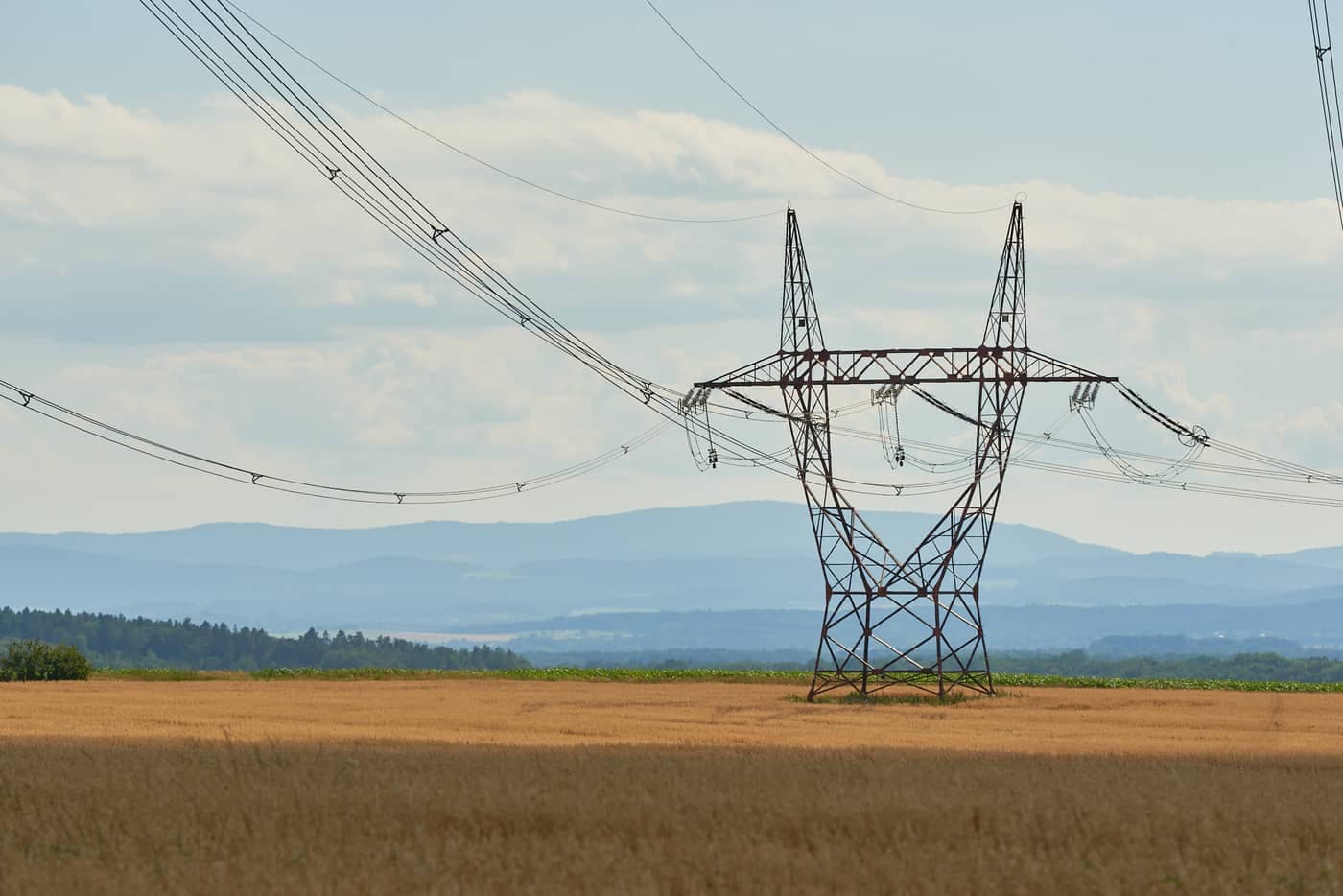
Since 2011, Sweden has been divided into four so-called bidding zones (SE1 to SE4), reflecting limited transmission capacity between the north and south of the country. The aim was to use differences in electricity prices to encourage the construction of new generation sources in southern Sweden and incentivise energy-intensive businesses to relocate to northern regions, where electricity is in surplus and therefore cheaper.
Read the full article HERE.
7. ČEZ Distribuce CEO: Grid development hampered by blocked capacity and outdated tariff structures
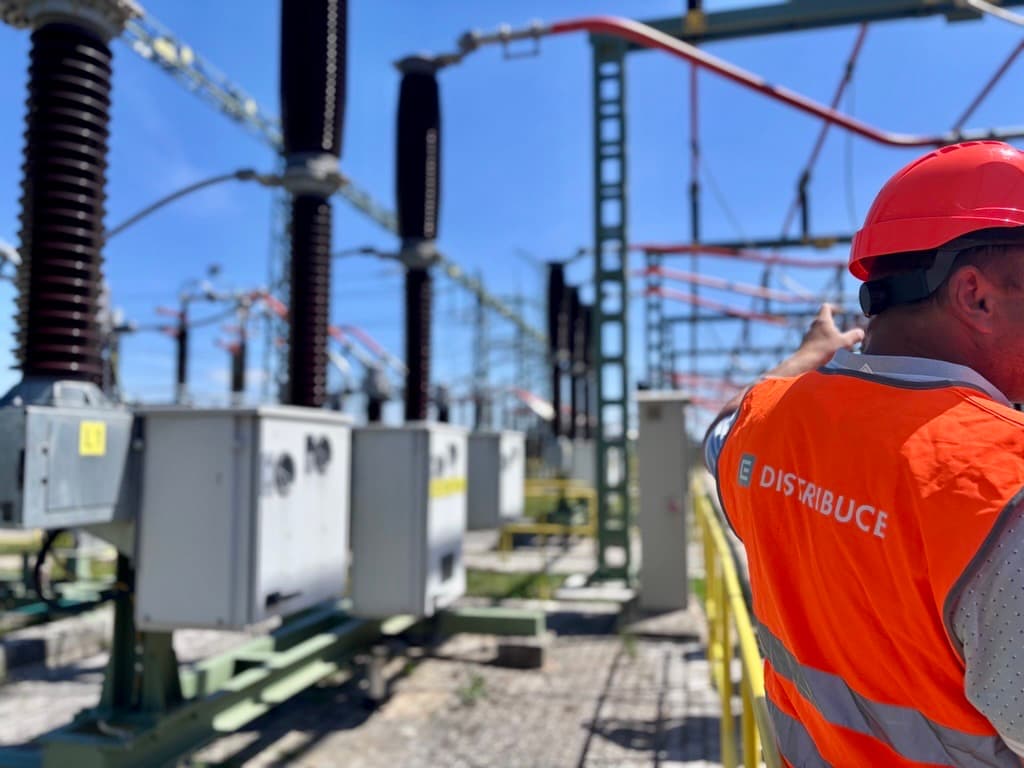
ČEZ Distribuce’s distribution network currently comprises 284 substations, almost 48 600 transformer stations and 171 thousand kilometres of lines, and serves around 3.8 million connection points . Over the past ten years, more than 8 290 kilometres of new lines have been added, an increase of approximately five per cent. The number of transformer stations has risen by more than 3 260 over the same period, while the number of connection points has increased by around 209 thousand.
Read the full article HERE.
8. Prices at Russian petrol stations top 100 roubles per litre
Increasingly intense attacks on Russian energy infrastructure have caused fuel supply restrictions across much of the country. Particularly strict restrictions have been introduced across much of southern Russia and Siberia, as well as throughout the Ukrainian territory occupied by Russia.
Read the full article HERE.
9. Moscow reports plunge in oil and gas revenues as oil prices fall after US-Iran deal
In June alone, revenues rose to 683.6 billion roubles from 678.9 billion roubles in May. They were up 38 per cent year on year, driven by a recovery in global oil prices prompted by the war in Iran.
Read the full article HERE.
10. ČEZ secures Siemens Energy turbine for Třinec gas-fired power plant
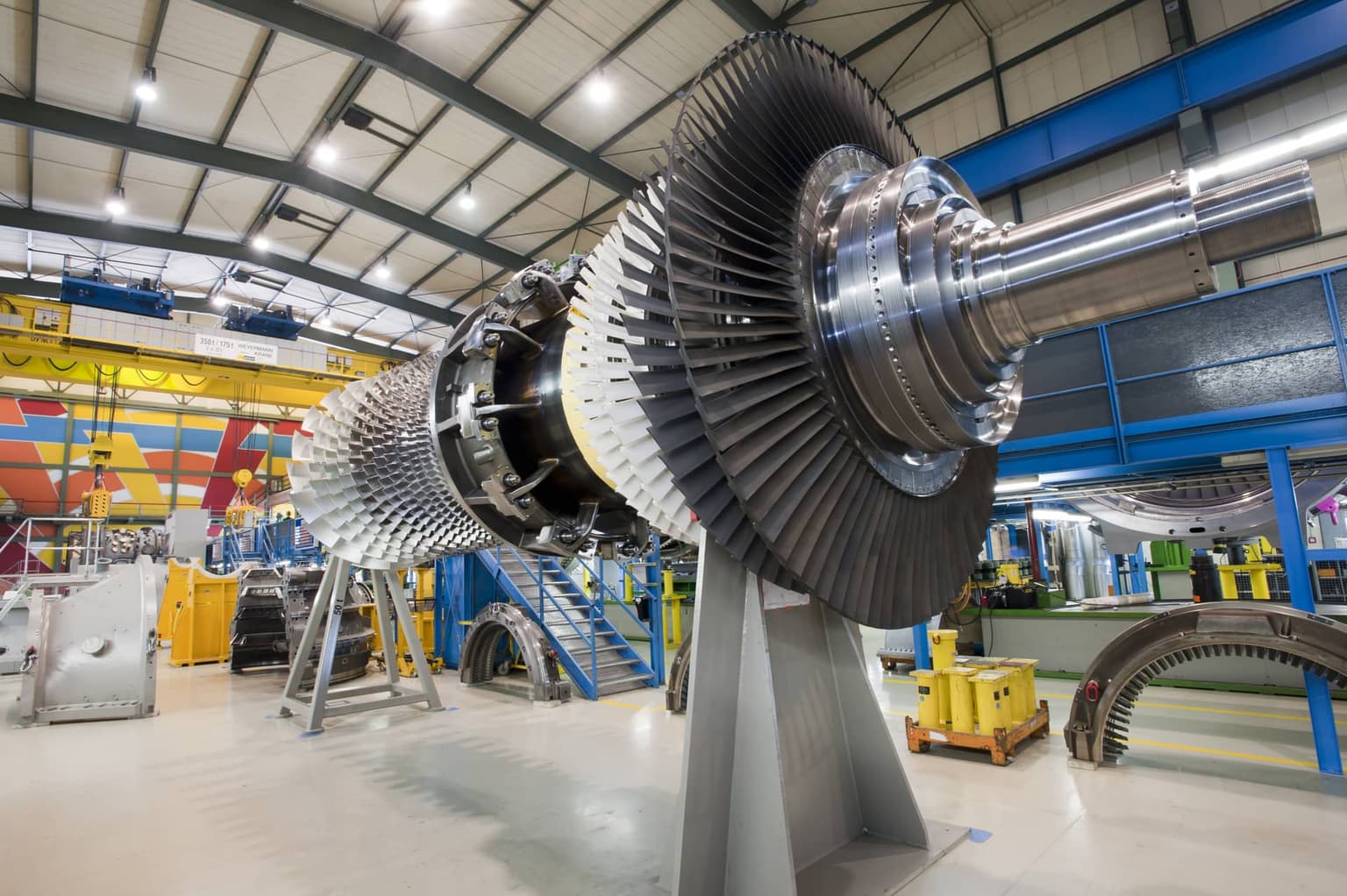
Energetika Třinec, part of Třinec Iron and Steel Works, plans to replace two old coal-fired boilers, reducing its carbon dioxide emissions and the cost of purchasing emissions allowances. They will be replaced by a gas-fired power plant consisting of a gas turbine designed to burn natural gas, with the option of co-firing up to 15 per cent hydrogen by volume. The project, costing 4.4 billion korun, is expected to be completed in 2030. Combined heat and power generation at the new facility is also expected to provide heating for Český Těšín, among other things.
Read the full article HERE.
Energostat: electricity generation in Czechia
Energostat: electricity generation in Germany
More up-to-date charts and data are available on Energostat