
25 October 2026, 08:20
Loading...
Top 10 energy stories of the past week
oEnergetice.cz
29 December 2024, 21:28
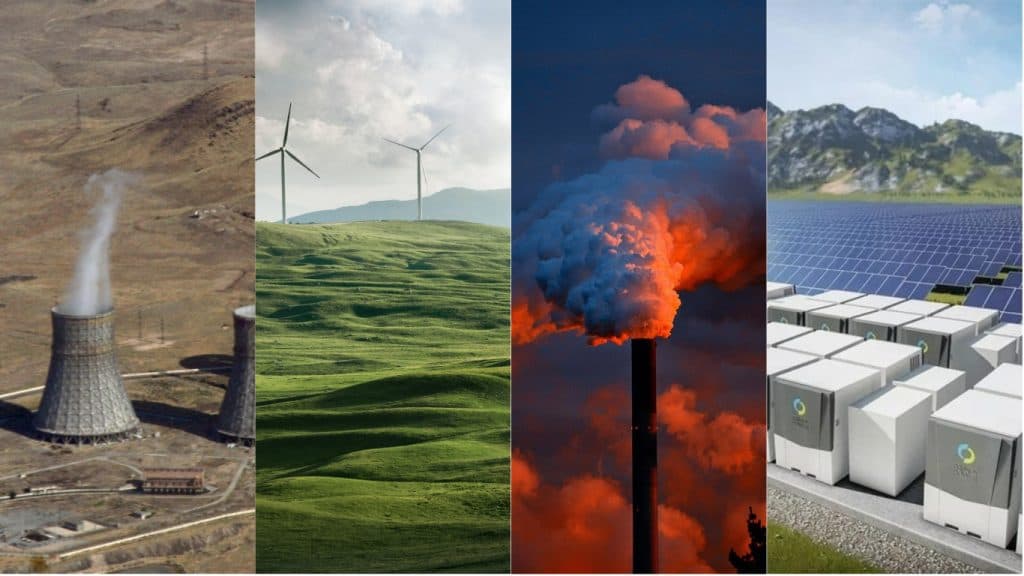
This week, we once again bring you a carefully selected list of the ten most significant articles published on oEnergetice.cz. If you missed any of them, here is a selection of the articles that caught our readers’ attention the most. Good luck in the new week!
1. EU is using up its gas reserves at the fastest rate since the energy crisis
The EU is drawing down its gas storage at the fastest pace since the energy crisis three years ago. The reasons are higher gas consumption due to colder weather and a decline in imports of liquefied natural gas (LNG).
According to data from Gas Infrastructure Europe, the volume of gas in storage facilities in the European Union fell by approximately 19% between the end of September, when the gas market injection season ends, and mid-December.
Read the full article HERE.
2. Europe is beginning to reach saturation with solar parks. Returns on new projects are uncertain
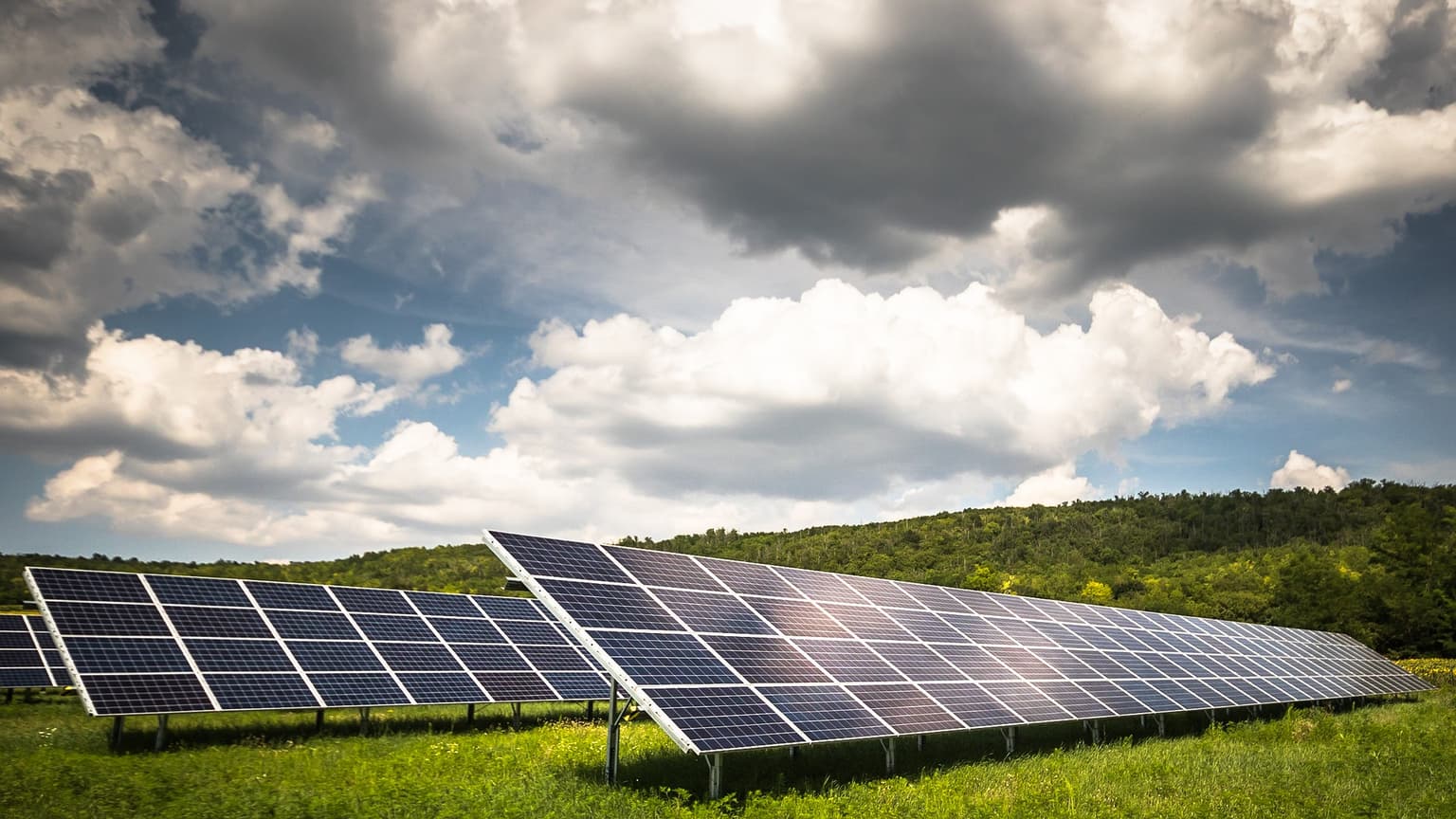
The strong growth in installed solar capacity in recent years is beginning to have real implications for the future of further projects in Europe. A week ago, Danish developer Better Energy, one of the biggest players in the local market in recent years, filed for creditor protection. In addition to the deterioration in operating economics associated with low spot electricity prices in spring and summer, projects there are also facing rising grid connection costs, experts say.
Europe has seen a rapid increase in new photovoltaic installations in recent years, accelerating with the onset of the energy crisis and the rise in energy prices. But as photovoltaic capacity on the grid increases, so does the number of hours when electricity prices on spot markets fall to zero or into negative territory. Grid constraints are also becoming more pronounced, making it increasingly difficult to export surplus generation from some countries.
Read the full article HERE.
3. Dismantling of Germany’s Brokdorf nuclear power plant begins
The dismantling of the shut-down Brokdorf nuclear power plant officially began on 13 December. The announcement was made by PreussenElektra, the plant’s majority owner. Brokdorf was the last nuclear power plant in Germany where dismantling had not yet begun.
PreussenElektra, a subsidiary of the E.ON Group, applied for permission to decommission and dismantle the Brokdorf plant, which has a KWU PWR-1300 pressurised water reactor with an installed capacity of 1410 MWe, in December 2017. The plant itself was permanently shut down on 31 December 2021.
Read the full article HERE.
4. High electricity prices during Dunkelflaute: German regulator to investigate possible market manipulation
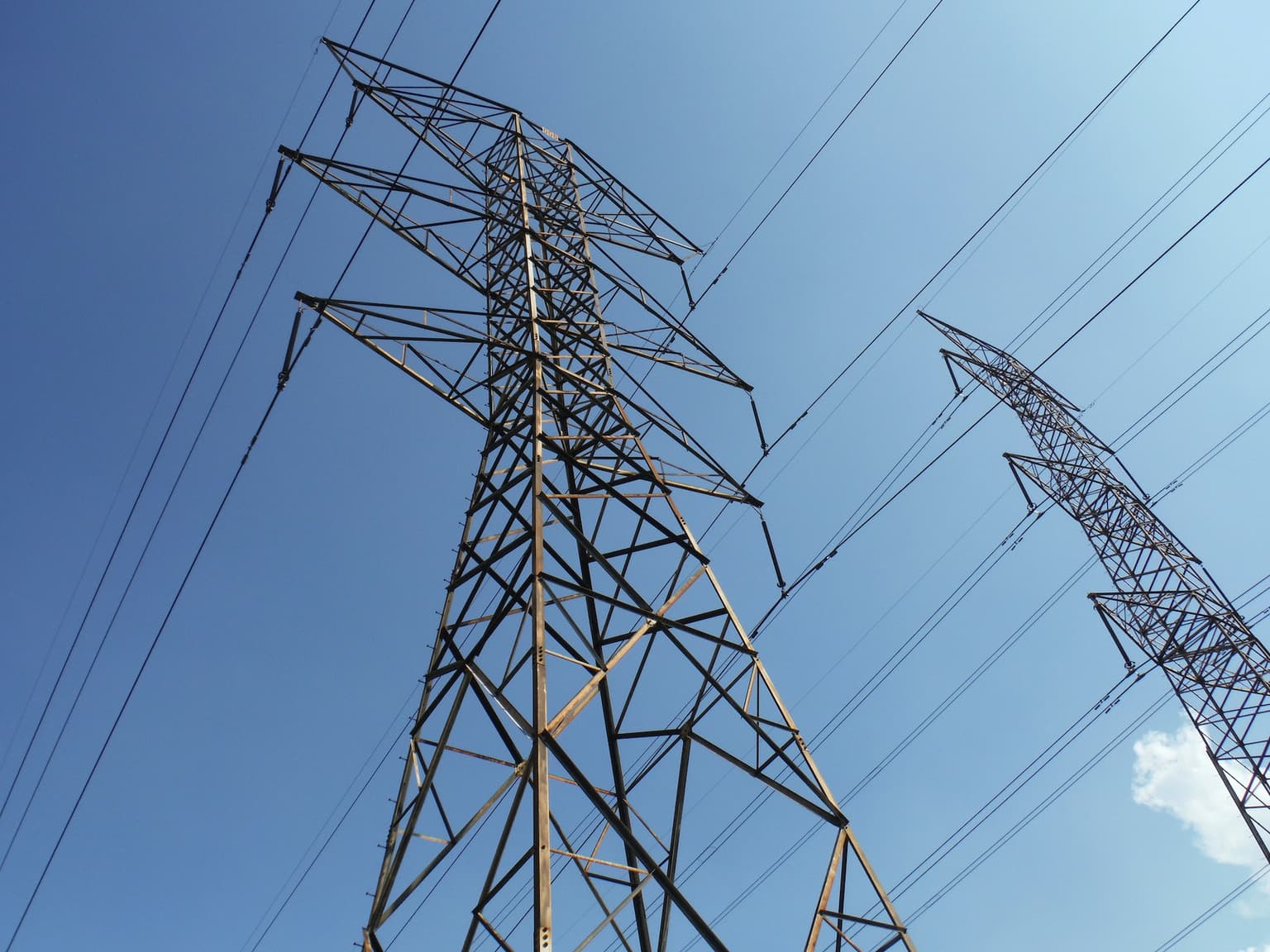
A sudden and sharp rise in electricity prices in Germany on 12 December prompted the country’s regulator to investigate possible market manipulation. According to the regulator, conventional power plants were not brought online to a sufficient extent when wind and solar power generation was low, contributing to the price rise. German electricity prices also affected prices in neighbouring markets and drew criticism, including from Sweden.
On 12 December, Germany experienced what is known as Dunkelflaute—a period with insufficient wind and sunshine, and therefore low output from solar and wind power plants. Wholesale electricity prices briefly climbed above 900 EUR/MWh amid high demand, low renewable energy generation and high gas prices. Germany’s grid regulator (BNetzA) said possible market manipulation may have contributed to the price surge and that it would investigate the situation.
Read the full article HERE.
5. Germany’s energy consumption fell to a record low this year, renewables covered 20%
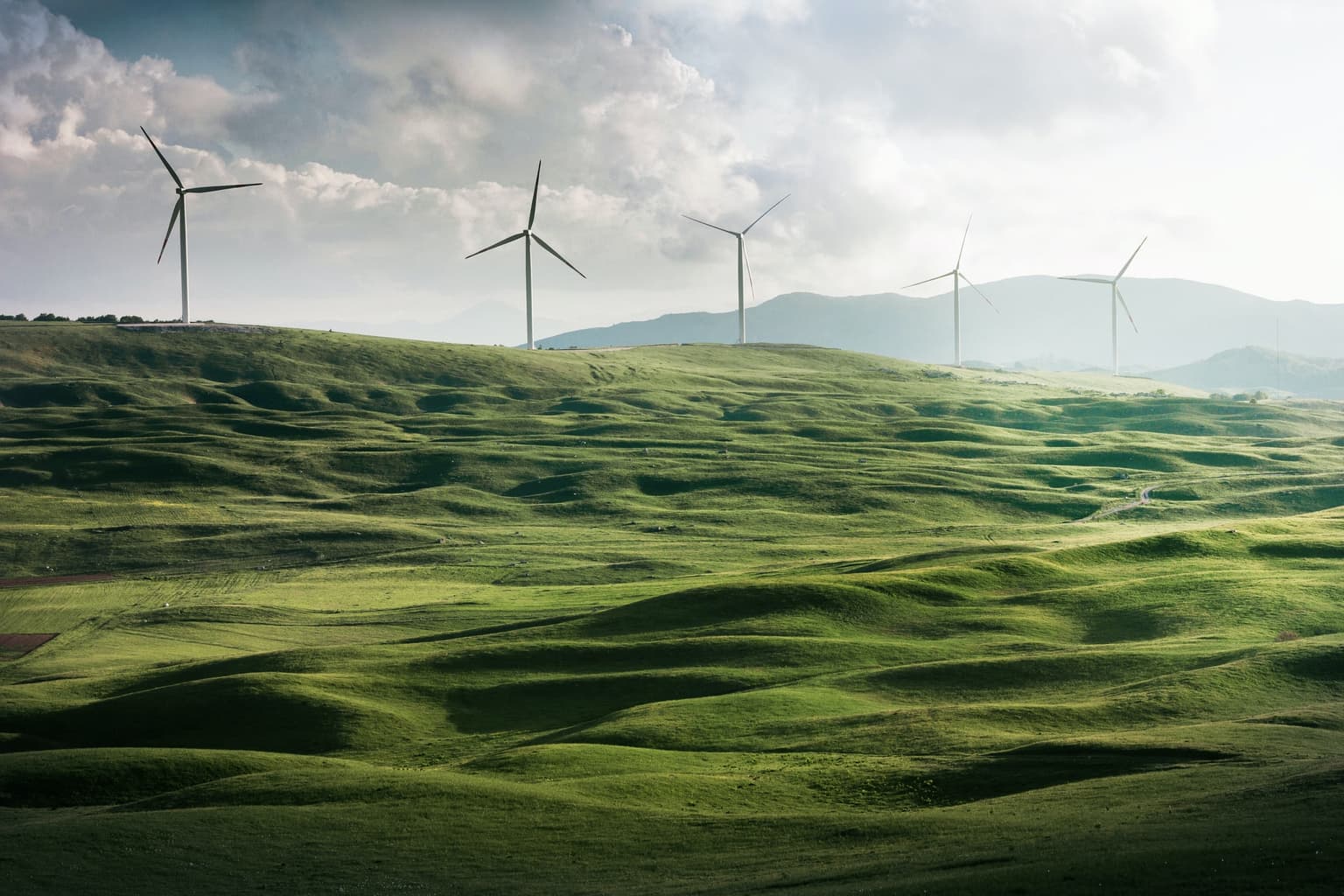
Primary energy consumption in Germany continues to decline. Warm weather, the ongoing economic downturn and improving energy efficiency led to a year-on-year drop of 1.3% to 10 478 PJ. That is 30% lower than in 1990 and roughly equivalent to the consumption of West Germany alone in the early 1970s. The international news outlet Clean Energy Wire reported.
Hard coal and lignite consumption in the power generation sector fell by 12.5% and 10.6% year on year, respectively, in 2024. This was due to the ongoing shift away from coal, an overall decline in electricity generation and further growth in electricity generation from renewable energy sources. The decline in coal use also helped reduce greenhouse gas emissions from power generation by 9% year on year, to a level 60% below that of 1990.
Read the full article HERE.
6. Sweden considers lifting uranium mining ban, recommends mining in new memorandum
Europe’s dependence on imports of fossil fuels has long been a well-known and widely discussed fact, but similar debates about uranium have also begun to emerge in recent years. Sweden is one of the European countries with relatively large uranium reserves. Uranium mining is currently not permitted in Sweden, but that could change in the future. The country’s climate and environment minister said at the beginning of the year that the government would explore ways to pave the way for its resumption.
Although a number of European countries have mined uranium in the past, including the Czech Republic, no uranium mining is currently taking place within the European Union. The last EU countries to mine uranium until recently were the Czech Republic and Romania. However, with highly ambitious decarbonisation plans and a sharp rise in energy prices during the energy crisis, some countries are beginning to reassess their approach to nuclear power and, in some cases, uranium mining.
Read the full article HERE.
7. Christmas did not bring negative electricity prices this year as winds weakened ahead of the holidays

Christmas is traditionally a period of lower electricity consumption, especially on Christmas Eve and the following holidays. This usually puts downward pressure on electricity prices, although prices are also affected by generation. While the previous week saw very strong wind power generation in Central and Western Europe, winds weakened significantly during Christmas week. Unlike last year, electricity prices on spot markets therefore did not fall into negative territory.
Short-term electricity markets have not been hit by a wave of negative prices towards the end of this year, as they were last year, for example. The main factor affecting spot market prices is wind power generation, particularly in northwestern Europe. Germany and other countries in the region have already been hit several times this year by periods of low output from wind and solar sources, also known as Dunkelflaute.
Read the full article HERE.
8. Existing plants again dominated Germany’s biomass auction

Germany held two auctions this year to support biomass-fired plants, and neither brought any surprises. As in many previous rounds, existing plants once again dominated the second auction of the year, with new plants accounting for only a small fraction of capacity. The awarded prices remain very high, comparable to those in previous rounds.
Germany held its second biomass auction of the year in early October, with the grid regulator seeking 234 MW of capacity. The auction once again attracted strong interest, with developers and operators submitting 712 bids for a total capacity of 622 MW. As in previous rounds, however, interest came not so much from new projects as from existing plants. According to the regulator, existing plants accounted for 591 MW of the bids submitted, while new plants accounted for just 31 MW.
Read the full article HERE.
9. Dukovany shut down unit 4 today for refuelling and maintenance until March
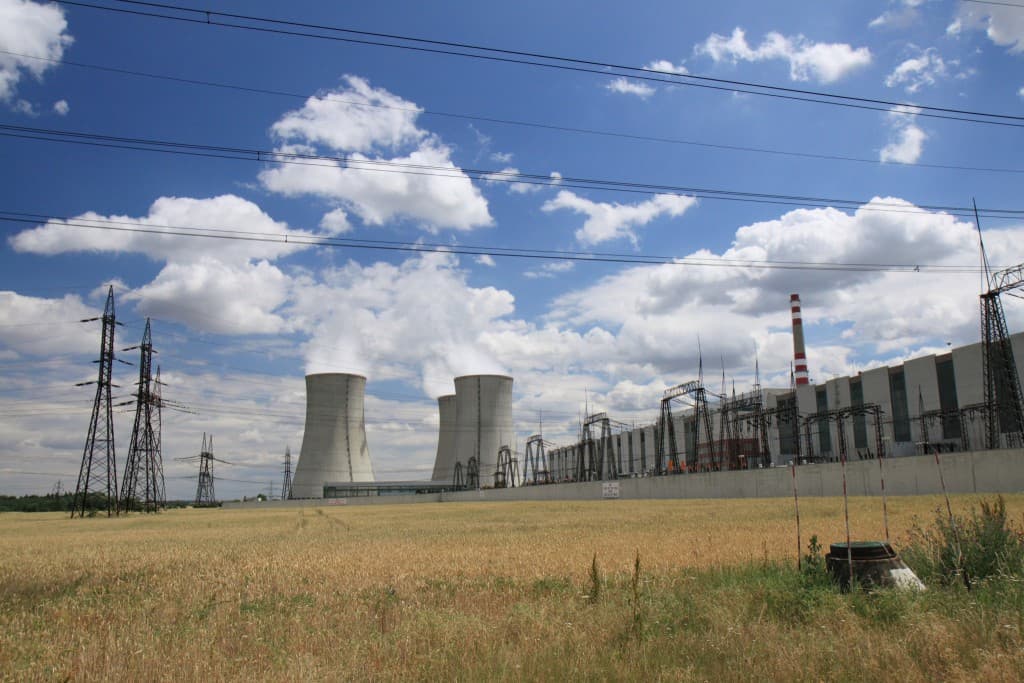
Dukovany nuclear power plant began a planned outage of unit 4 at noon today to replace some of its fuel with fresh fuel and carry out routine maintenance and equipment inspections. The unit will stop supplying electricity to the grid in the evening, plant spokesman Jiří Bezděk said. Due to the extensive work, the outage is scheduled to last until March next year.
During the first two days, energy workers will allow the equipment to cool down. On Friday, technicians will begin maintenance and servicing work on equipment in both the primary and secondary circuits. As a result, hundreds of additional plant and contractor employees will have to come to work not only on Christmas Eve but also during the Christmas holidays.
Read the full article HERE.
10. Oil and gas producers slow renewable energy development and refocus on oil and gas
Major oil companies are cutting spending on renewable energy after governments around the world slowed the rollout of clean energy policies. They are once again focusing more on traditional oil and gas production.
After making major climate commitments in recent years, many countries, led by the US, which is preparing to withdraw from the Paris Agreement under President Trump, are preparing to scale back their efforts to reduce emissions.
Read the full article HERE.
Energostat: electricity generation in the Czech Republic
Data in this chart is also available in 15-minute resolution60min15min
Energostat: electricity generation in Germany
Data in this chart is also available in 15-minute resolution60min15min
More up-to-date charts and data are available on Energostat
Translation disclaimer
This article is a machine translation of the Czech original and has not yet been fully reviewed. In case of any doubt, please refer to the Czech version.
Sdílejte článek prostřednictvím:
Topics:Energy Weekly
You might also like




23 October 2026, 14:38