27 October 2026, 06:15
Loading...
Top 10 energy stories of the past week
oEnergetice.cz
9 November 2025, 18:02
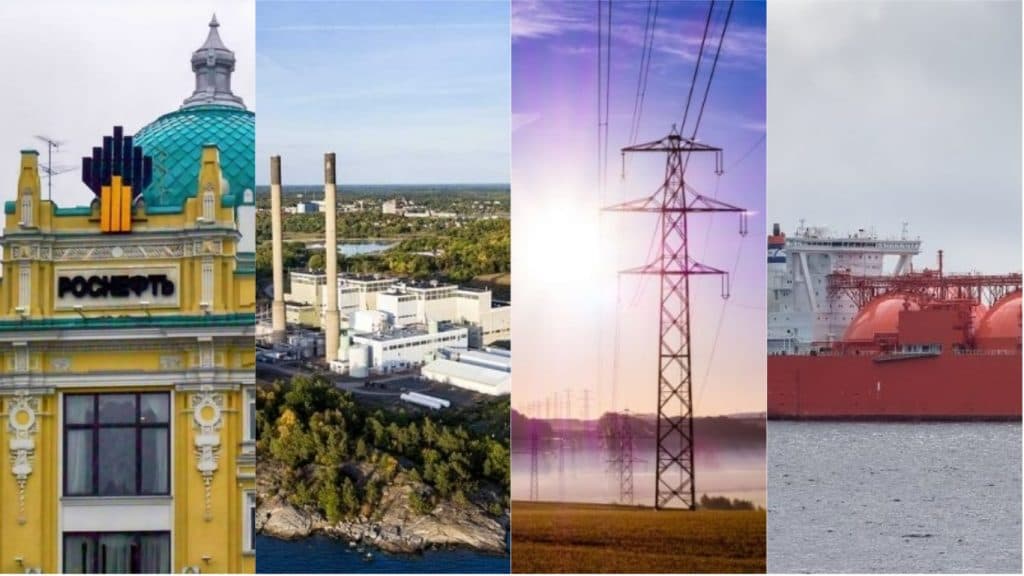
This week, we once again bring you a carefully selected list of the ten most important articles we published on oEnergetice.cz. If you missed any of them, here is a selection of the articles that attracted the most reader interest. Best of luck in the new week!
1. Sanctions on Lukoil trigger Bulgarian ban on fuel exports to the EU

Bulgaria’s parliament has approved a temporary ban on exports of certain fuels to European Union member states. The measure is intended to ensure stability in the domestic market following US sanctions imposed on Russian oil giant Lukoil, which operates Bulgaria’s largest refinery in Burgas. While the government defends the move as necessary to protect domestic supplies, it has raised concerns in Brussels and among neighboring countries about disruption to the single European market. The news was reported by Reuters.
The ban primarily applies to exports of diesel and aviation fuel to EU member states. Supplies to ships and aircraft, as well as deliveries to the armed forces of NATO and the EU, are exempt. The head of the customs administration may also grant individual exemptions.
Read the full article HERE.
2. First batch of carbon steel from Chernobyl approved for recycling
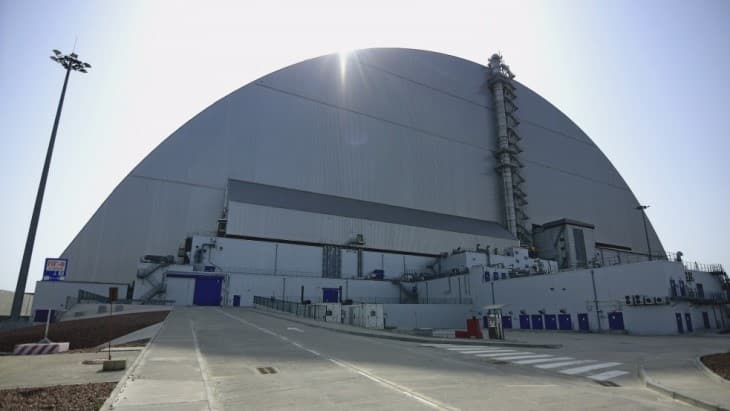
Ukraine’s State Nuclear Regulatory Inspectorate has approved the release of the first 20 tonnes of carbon steel from the Chernobyl Nuclear Power Plant for reuse. The material was made safe through shredding, decontamination and thorough inspection at a waste-release facility using gamma spectrometric monitoring.
The start of the material reuse process marks a significant milestone not only for the nuclear power plant, but also for Ukraine as a whole. It demonstrates that the country is capable of using a radiation monitoring system effectively and reliably.
Read the full article HERE.
3. Chinese giant targets Europe: Mingyang unveils 50 MW floating wind turbine

Chinese wind turbine manufacturer Mingyang Smart Energy has stirred up the European market with a groundbreaking project: a 50 MW floating wind turbine. The most powerful turbine ever built features an unconventional design with two rotors on the OceanX platform, building on an earlier 16.6 MW prototype. Mingyang openly acknowledges that Europe is its primary target for this technology, and that it plans to manufacture there as well. While European developers welcome the innovation, concerns are also growing over industrial security and the impact of Chinese competition on the market.
Europe as the primary target
The new 50 MW turbine stands out at first glance for its unconventional design. It combines two 24.5 MW rotors on a Y-shaped floating platform. With a diameter of 290 meters and a hub height of 165 meters, it could significantly reduce the cost of electricity generated offshore. The design is based on the OceanX concept, whose 16.6 MW prototype, deployed in China, has already demonstrated its resilience by surviving two super typhoons. Mingyang has now confirmed its ambition to bring its experimental technologies from Asia to European conditions.
Read the full article HERE.
4. Austria is shrinking its gas network. Industry warns of deindustrialization risk

Austria is preparing for a major change to its gas infrastructure. Economy and Energy Minister Wolfgang Hattmannsdorfer announced at the end of October that the gas network is to be progressively downsized from 2026. Officially, the move is intended to help meet the EU’s climate targets and the Net Zero strategy for 2045, but in practice it raises serious questions about the future of industry and the country’s competitiveness.
The proposed changes are further framed by a proposal from regulator E-Control, which would raise gas network charges by an average of 18.2% from 1 January 2026, with increases varying by region from +6.5% to +35%. The reason is falling gas consumption, which means the fixed costs of maintaining and operating the network are spread across an ever-smaller number of customers, inevitably driving up charges.
Read the full article HERE.
5. IEA: Europe’s gas demand is set to decline as the world braces for an LNG boom

At the end of October, the International Energy Agency (IEA) published its medium-term outlook “Gas 2025”, analyzing changes in the global gas market and providing an overview of developments in supply, demand and trade, as well as forecasts through 2030. The report examines a massive expansion in liquefied natural gas (LNG) production capacity and highlights the impact of this LNG wave on security of supply, prices, trade flows and emissions. In Europe, it expects a modest recovery in natural gas demand this year, followed by a decline over the longer term.
According to the latest data from the International Energy Agency (IEA), European gas consumption will rise by around three percent in 2025 before returning to a downward trend in the following years. By 2030, demand in OECD countries in Europe is expected to fall by 8 to 10 percent compared with 2024.
Read the full article HERE.
6. New EU climate targets: 18 hours of talks, minor concessions and Czechia opposed
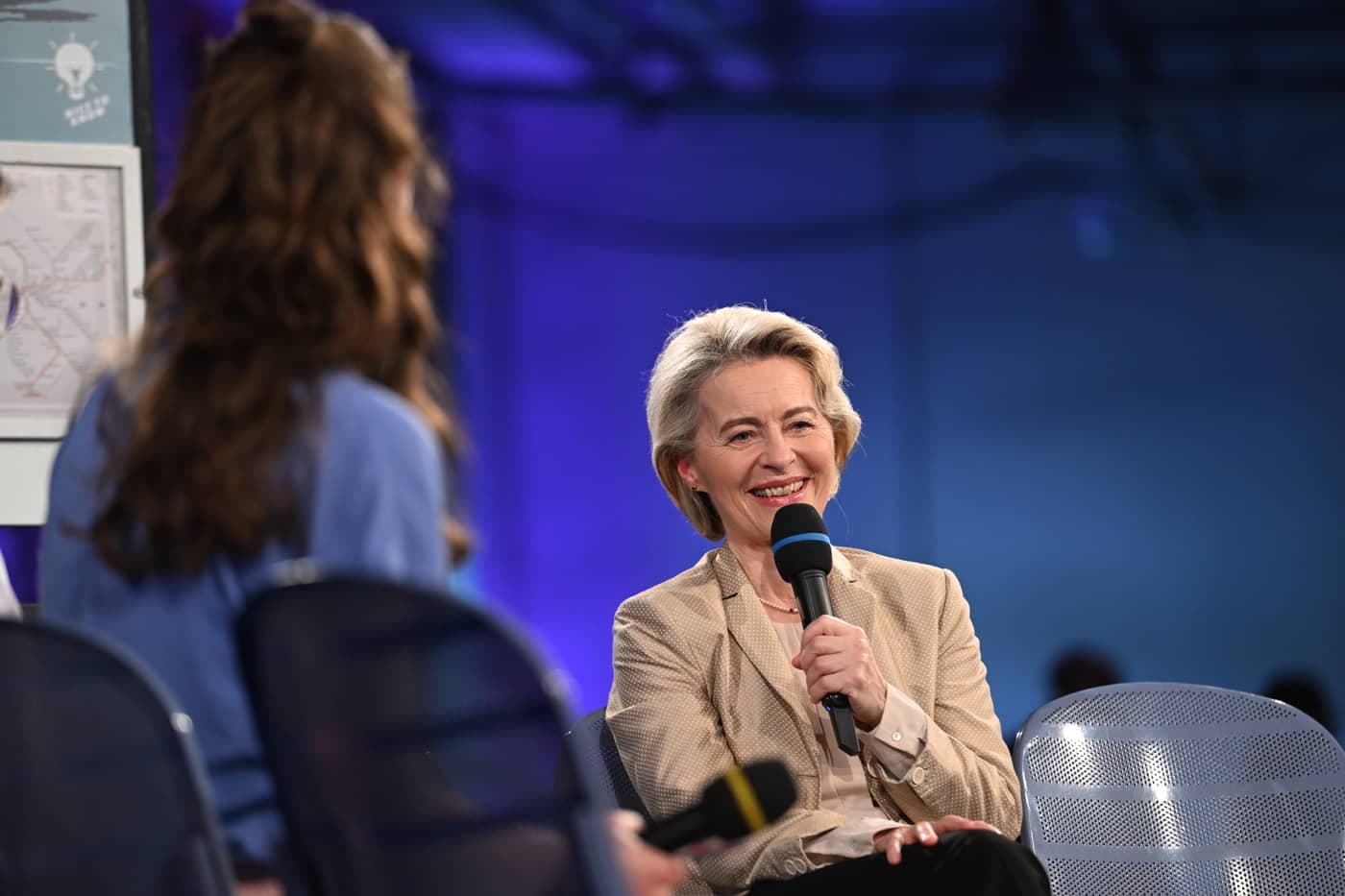
After lengthy negotiations, environment ministers agreed to weaken the 2040 climate targets and set a new climate plan for 2035. The new 2035 plan envisages a reduction in European carbon emissions of between 66.25% and 72.5% compared with 1990.
The plan is not legally binding, but is intended to set the direction for European climate policy over the next several years. According to POLITICO, its targets align with the informal statement the EU presented at the climate summit in New York in September, ahead of the COP30 talks, which begin next week in Brazil.
Read the full article HERE.
7. RWE officially begins construction of Germany’s largest battery storage facility

Construction has begun in Germany on the country’s largest battery storage facility, with an installed capacity of 400 MW and the ability to supply electricity for almost two hours. The facility is intended to help Bavaria manage fluctuating renewable energy generation and ensure grid stability. Current plans call for the batteries to begin operating at the site of a decommissioned nuclear power plant in early 2028.
German energy company RWE announced that it had officially begun construction of Germany’s largest battery storage facility. The facility, with a total output of 400 MW and a capacity of 700 MWh, will be built at Gundremmingen in Bavaria. The company will invest around EUR 230 million (approximately CZK 5.6 billion) in the technology.
Read the full article HERE.
8. Cooling towers at Germany’s Gundremmingen nuclear power plant demolished

The dismantling of Germany’s Gundremmingen nuclear power plant has reached another milestone. Technicians used explosives to demolish its two cooling towers. The owner plans to recycle more than 50,000 tonnes of rubble into construction materials. The plant’s two nuclear units, each with a capacity of more than 1,300 MW, stopped generating electricity at the end of 2017 and 2021, respectively. A large-scale battery storage facility with an output of 400 MW is planned for the site.
German energy company RWE announced that the cooling towers at the decommissioned Gundremmingen nuclear power plant are now a thing of the past. The two 160-meter-high towers were demolished on 25 October in a blast that lasted 45 seconds. While the plant was operating, its cooling towers helped minimize the waste heat discharged into the nearby Danube River.
Read the full article HERE.
9. ŠKODA JS partners with Calogena on small modular reactors for district heating

Plzeň-based ŠKODA JS a.s., part of the ČEZ Group, and French company Calogena have signed an agreement at the World Nuclear Exhibition in Paris to cooperate on the CAL30 small modular reactor project. CAL30 is a next-generation small modular light-water reactor (SMR) developed by Calogena, with a thermal output of 30 MW. It is designed to supply carbon-free energy to district heating networks, supporting their energy transition and decarbonization, ŠKODA JS spokesperson Karel Samec told the Czech News Agency today.
“The agreement concerns the development of key equipment for the primary circuit of the CAL30 reactor,” he said.
ŠKODA JS manufactures reactor pressure vessels and their internals for a range of pressurized water reactors across Europe, including most VVER 440 and VVER 1000 reactors, as well as the EPR (European Pressurized Reactor), a new-generation reactor under construction at the Hinkley Point C plant in the UK. According to Samec, Calogena is already involved in five projects in France and Finland. In August this year, it announced the launch of studies for deploying CAL30 at the CEA research center in Cadarache, France.
Read the full article HERE.
10. Causes of July power outage remain unclear as investigation continues
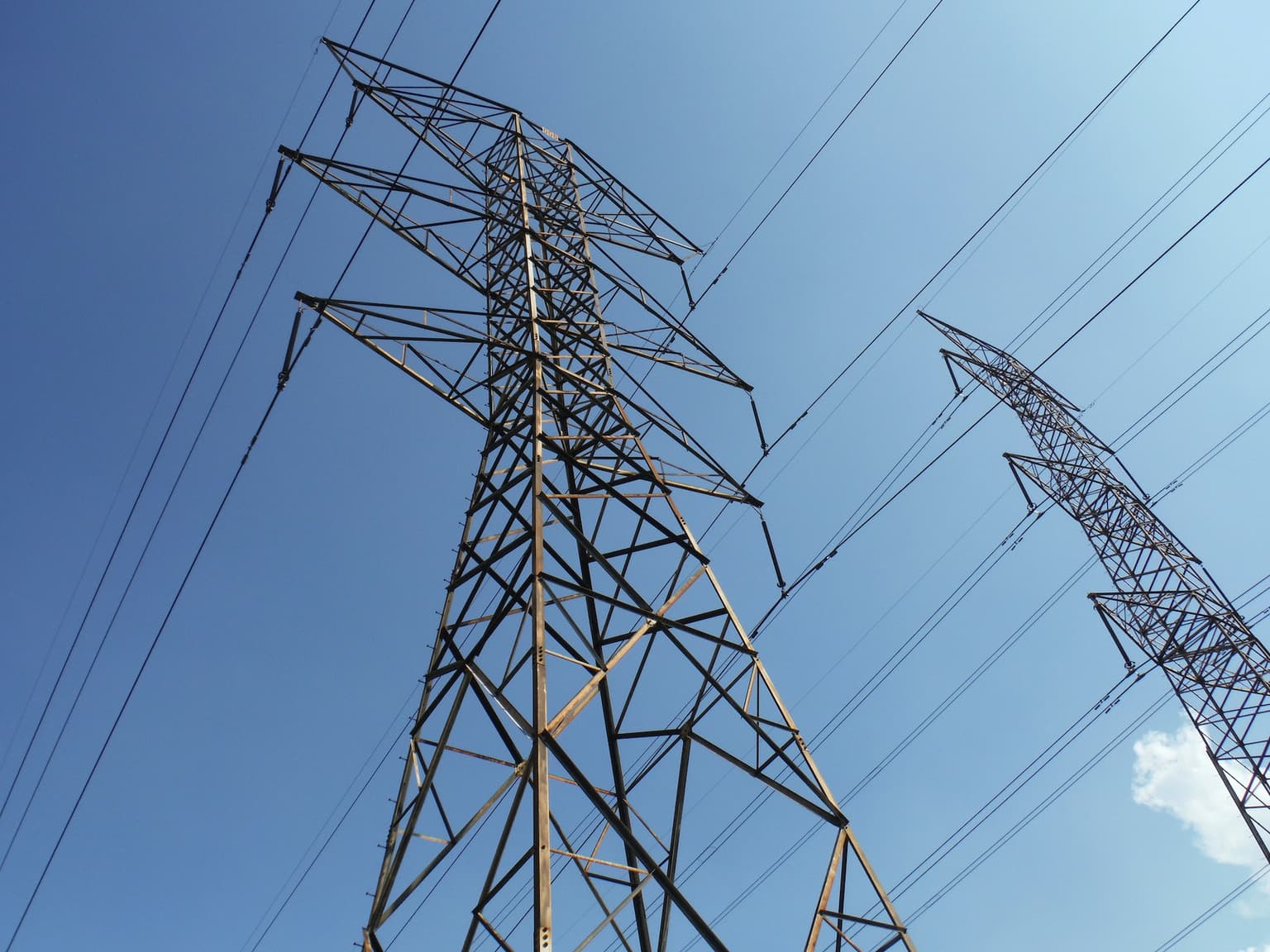
The causes of the widespread power outage in Czechia in July remain unclear. The investigation is now in its fifth month, and grid operator ČEPS is currently analyzing the data it has collected. The Expert Panel’s investigation is also ongoing, with a preliminary report expected in January. ČEPS spokesperson Lukáš Hrabal told the Czech News Agency in response to a question.
The massive outage on 4 July lasted several hours and affected around one million customers. Czechia has 6.3 million supply points.
Read the full article HERE.
Energostat: electricity generation in Czechia
Data in this chart is also available in 15-minute resolution60min15min
Energostat: electricity generation in Germany
Data in this chart is also available in 15-minute resolution60min15min
Find more up-to-date charts and data on Energostat
Translation disclaimer
This article is a machine translation of the Czech original and has not yet been fully reviewed. In case of any doubt, please refer to the Czech version.
Sdílejte článek prostřednictvím:
Topics:Energy Weekly
You might also like
26 October 2026, 19:59

26 October 2026, 14:24