27 October 2026, 06:15
Loading...
A joint German-Danish electricity trading zone could make green hydrogen cheaper

David Vobořil
27 October 2026, 06:15
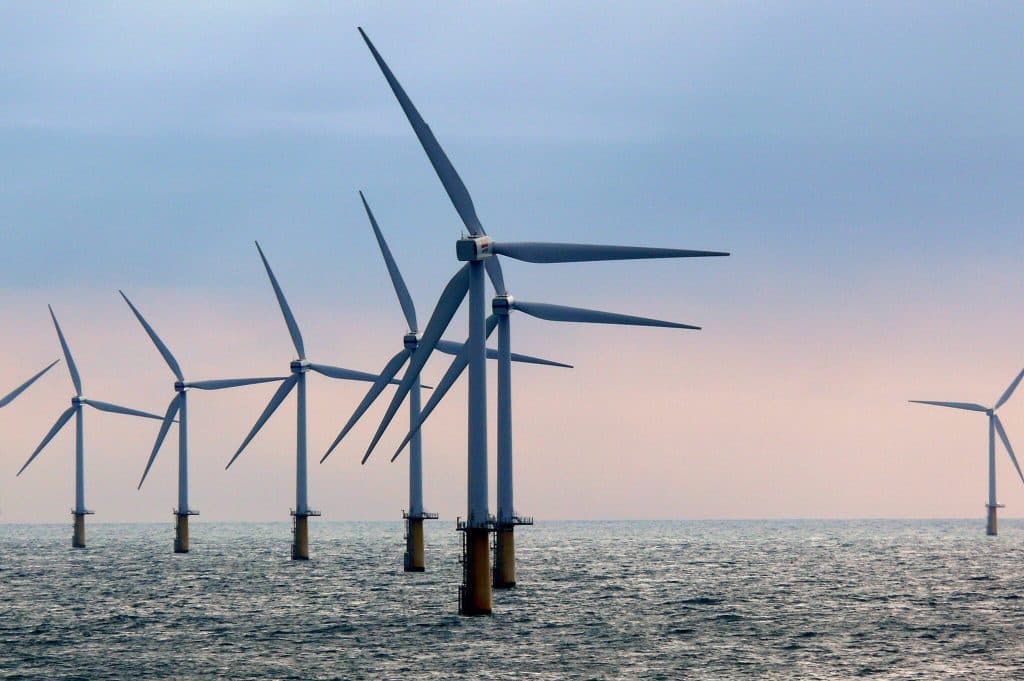
Northern German states are pushing to split Germany’s single electricity trading zone, which would lower electricity prices in the north of the country. A study commissioned by the government of Schleswig-Holstein says a joint zone between the state and Denmark would reduce renewable energy curtailment and improve conditions for green hydrogen production. European transmission system operators have also proposed splitting Germany’s trading zone, but the German government has long resisted the change.
A joint electricity trading zone covering Schleswig-Holstein, Hamburg and western Denmark could reduce the costs of the energy transition and improve the competitiveness of green hydrogen production. This is according to an analysis by the Fraunhofer research institute, commissioned by the government of the German state of Schleswig-Holstein and the IHK chamber of commerce in the state.
Trading zone (also known as a bidding zone)
is a fundamental element of the European electricity market. The electricity price in a trading zone is the same for every trading interval. Trades between trading zones are limited by available transmission capacities calculated by transmission system operators, while trades within trading zones are carried out without restrictions. Defining the boundaries of trading zones is therefore a matter of great importance to the market and requires thorough analysis.
According to the study, the proposed model for the so-called Nordic Twin Sea Zone (NTSZ) would better connect regional renewable electricity generation with local consumption and the development of electrolysers producing hydrogen using renewable electricity. The modelling covered 2030 and also included a second zone encompassing the rest of Germany.
A joint trading zone with different geographical boundaries would allow prices to better reflect local supply and demand. When a surplus of wind power was generated in the north, its price could fall, incentivising new flexible consumers, such as electrolysers, to operate during those hours.
Single trading zone
Germany currently has a single trading zone for the wholesale electricity market. As a result, the market price is the same across the country for every trading interval, even though the shares of individual German regions in generation and consumption differ significantly. Wind power generation is concentrated in the north, while a significant share of industrial consumption is in the south. Insufficient transmission grid capacity limits the ability to deliver the electricity generated to where it is needed.
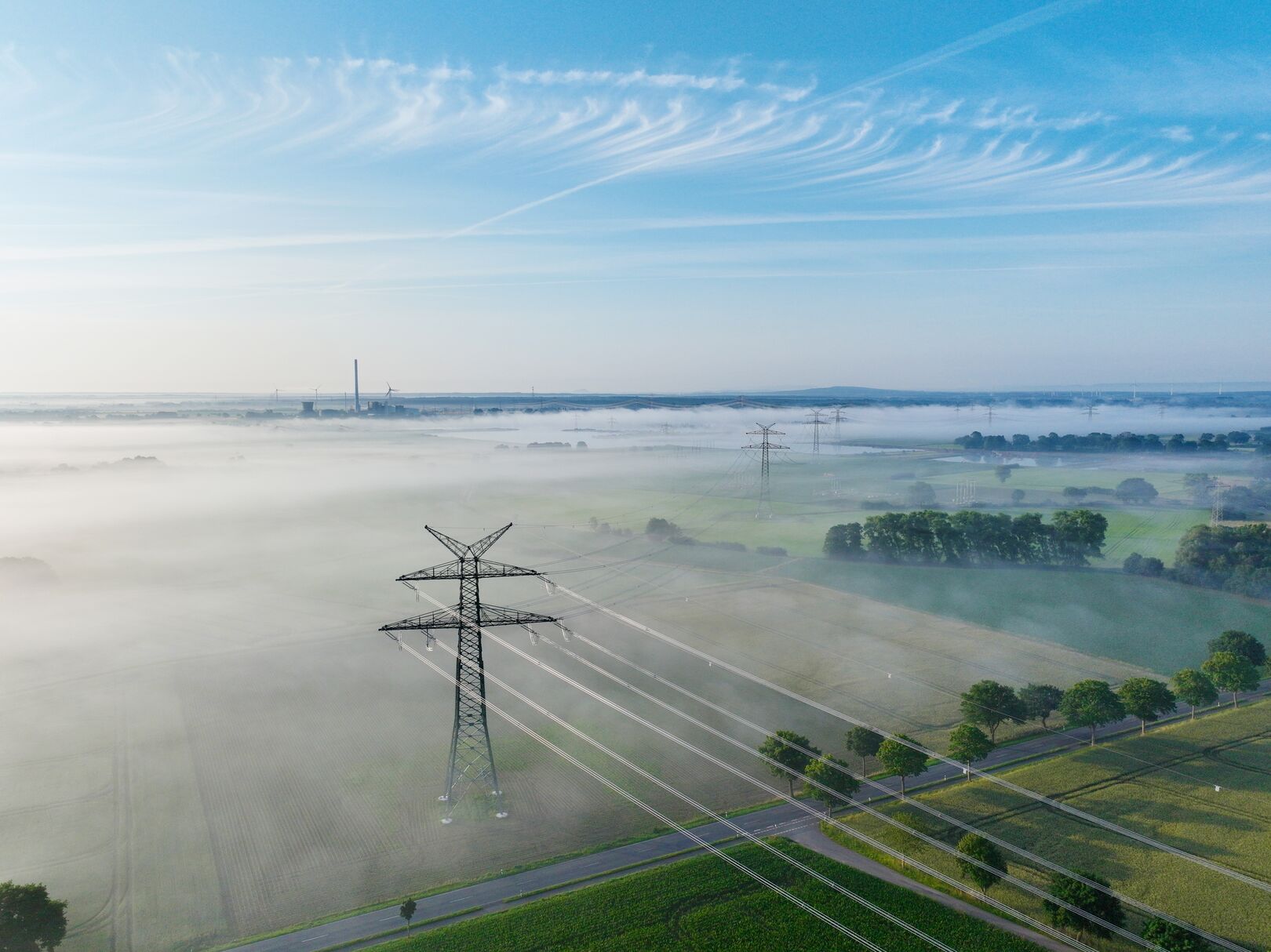
Source: TenneT TSO GmbH
Among other consequences, this leads to interventions by grid operators, who have to adjust generation and consumption—a process known as redispatch—to keep the system within safe operating limits. Renewable energy generation is therefore often curtailed because it cannot be transmitted.
Redispatch
is a measure taken by a transmission system operator to ensure the secure operation of the system. Instead of the original generators scheduled to supply electricity to the grid, generators in a different location are dispatched to prevent overloading elements of the power system. These measures are costly, as the original generators must be compensated for being unable to supply energy to the grid, while the electricity produced by the replacement generators must also be paid for.
Why northern states are pushing for change
For Schleswig-Holstein, changing the trading zone is a way to reflect high wind power generation in lower electricity prices. Instead of curtailing generation when there is a surplus, new industrial facilities could use it, especially hydrogen-producing electrolysers that would benefit from lower electricity prices. They could adjust their consumption to current electricity prices and help balance differences between generation and consumption.
The Fraunhofer Institute study shows that the benefits also depend on the development of these flexible consumers. With around 3 GW of additional electrolyser capacity in the northern zone, the model projects a significant reduction in renewable energy curtailment and roughly a one-third decrease in the number of hours with negative electricity prices. The condition is that electrolysers respond to market signals and operate mainly when prices are favourable.
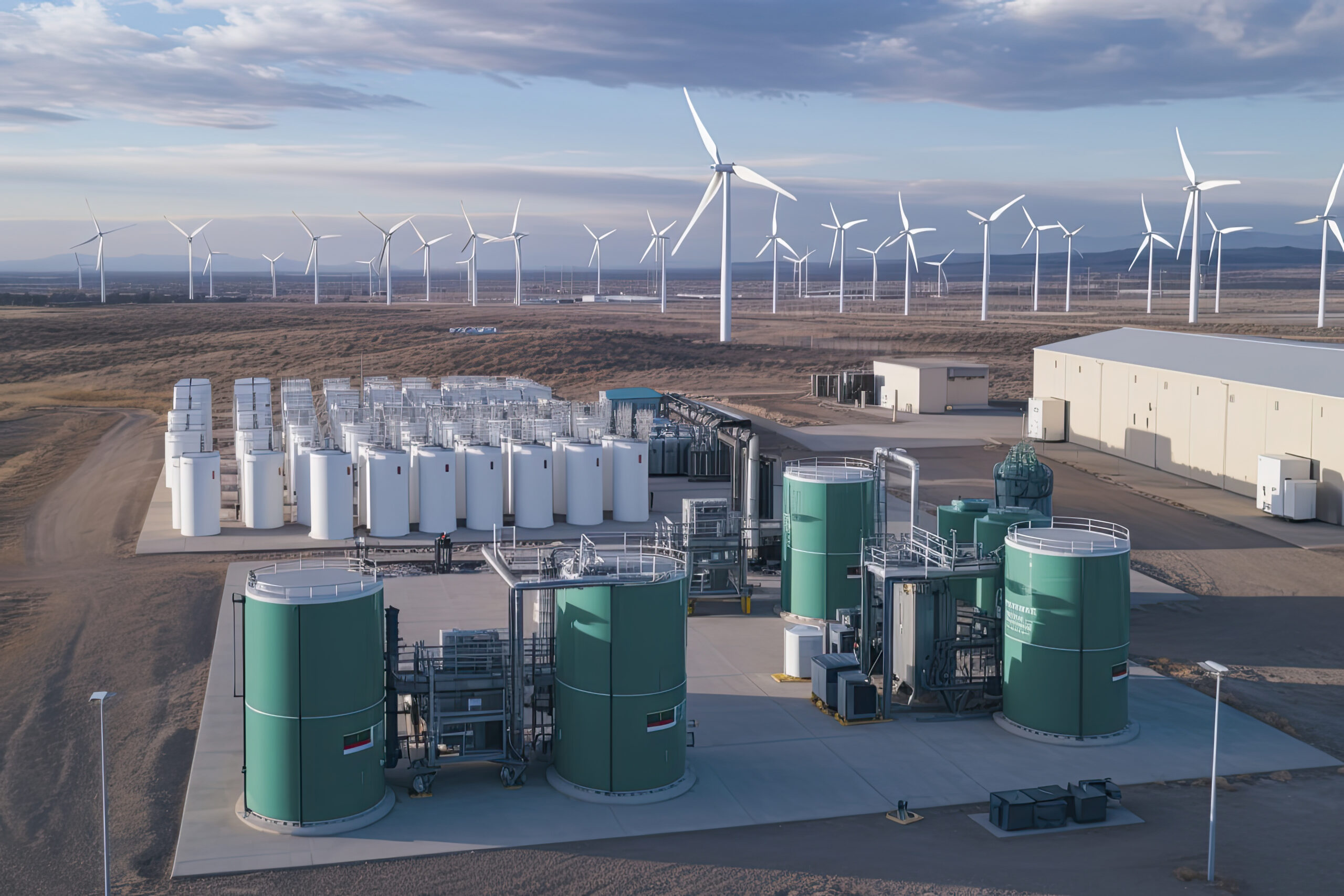
Green hydrogen production facility powered by renewable energy—green hydrogen for clean electricity, solar and wind power plants. Generative AI. Source: Vecteezy
However, splitting the market would also have effects beyond the north. If prices fell in the new zone, they could rise in the rest of Germany. Concerns about higher costs for industry in the southern states are among the main reasons the German government opposes splitting the current zone. The government favours expanding the transmission grid and making better use of its existing capacity. Critics also point out that abolishing the single trading zone would have a significant impact on the long-term electricity market.
ENTSO-E study recommended splitting Germany into five zones
In April 2025, the association of European transmission system operators ENTSO-E published a study that assessed 14 alternative configurations of trading zones in Central Europe and the Nordic countries.
In Germany, all the analysed options for splitting the trading zone proved more economically efficient than maintaining the current arrangement. The modelled benefits ranged from 251 to 339 million euros for the target year of 2025; the option with five trading zones performed best in this respect. However, the operators also stressed that the results are based on the study’s methodology and should not be assessed in isolation. Other relevant factors must also be taken into account before any decision is made.
In one respect, the NTSZ proposal goes further: rather than simply splitting Germany, it creates a cross-border zone with part of Denmark. Its supporters aim to connect the regional surplus of wind power with a hub for hydrogen economy consumption.
Translation disclaimer
This article is a machine translation of the Czech original and has not yet been fully reviewed. In case of any doubt, please refer to the Czech version.
Sdílejte článek prostřednictvím:
You might also like
26 October 2026, 19:59

26 October 2026, 14:24