27 October 2026, 06:15
Loading...
Top 10 energy stories of the past week
oEnergetice.cz
14 December 2025, 20:50

This week, we’re once again bringing you a carefully selected list of the ten most significant articles we published on oEnergetice.cz. If you missed any of them, here’s a selection of the articles that attracted the most interest from our readers. Best of luck in the new week!
1. Germany faces a flood of battery projects, with capacity many times greater than the grid’s needs

After years of renewable energy development, short-term energy storage—primarily in the form of battery storage—is also starting to attract more attention. In neighbouring Germany, distribution system operators are facing a surge in new battery storage projects. According to data published by the German grid regulator, their combined capacity is several times greater than the grid’s maximum load. Many projects are therefore likely speculative, and it is far from certain how many will ultimately be built.
As installed capacity from intermittent renewable sources—primarily solar and wind power plants—increases and conventional sources are gradually phased out, the need for storage in the grid is also growing. In addition to storing renewable generation when conditions are favourable for use later, battery storage can help stabilise the grid by providing ancillary services. Among other things, batteries can also help even out price differences throughout the day.
Read the full article HERE.
2. Uzbekistan advances preparations for its first nuclear power plant

Uzbek President Shavkat Mirziyoyev visited the Jizzakh region, where preparatory work is under way for the construction of the country’s first nuclear power plant. The visit also included an assessment of the region’s development potential, which is expected to be closely tied to the power plant project.
The planned nuclear power plant is to comprise four reactor units in total:
Read the full article HERE.
3. Uncertainty for wind power in Germany: States join calls to postpone offshore wind auctions
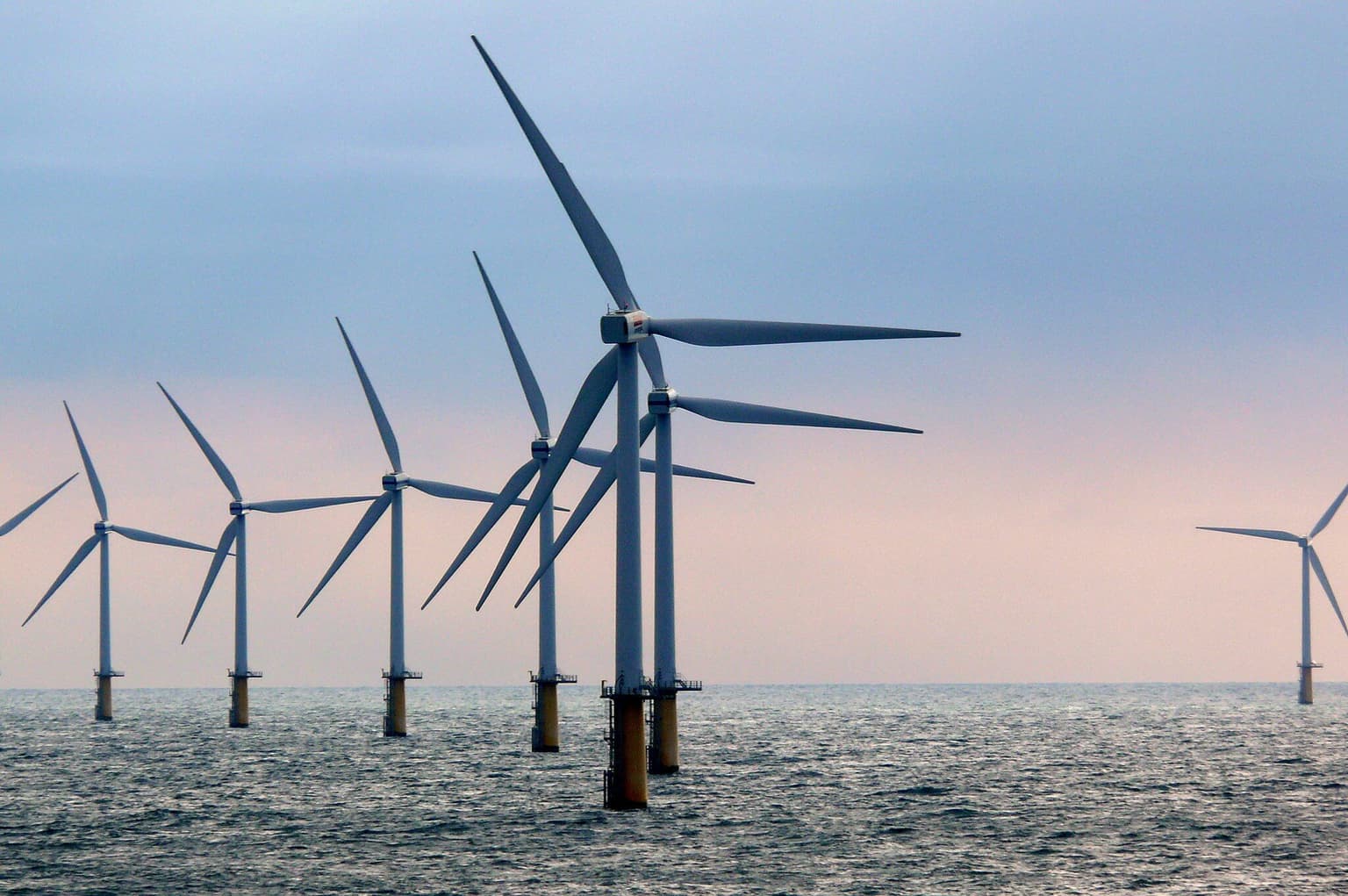
The outlook for Germany’s offshore wind sector remains uncertain, with calls for a review of the country’s auctions to support wind farm construction growing stronger in recent weeks. Germany’s latest offshore wind auction was a major flop, as developers submitted no bids. Representatives of several German states have now joined industry calls to postpone the auctions planned for next year. They say a failure in the next round could send a fatal signal to the sector.
The German government faces a major decision about the future of the country’s offshore wind sector. In recent years, the German auction system was revised after developers began submitting bids without seeking a guaranteed price for their projects, in order to secure the sites they needed to build them. In response to this strategy, the government redesigned the auctions so that, instead of receiving support, developers compete to offer the state the most money for the right to build and operate an offshore wind farm.
Read the full article HERE.
4. Lithium and geothermal energy as a bonus: unique project gets under way in Germany

Work on a unique project in southern Germany focused on using deep geothermal energy while also extracting lithium has begun with a groundbreaking ceremony. Construction is expected to be completed by mid-2028. Vulcan Energy, the company behind the project, announced the news in a press release.
Vulcan Energy announced the groundbreaking for its project near the town of Lindau in southern Germany. The project aims to build a geothermal plant that will supply 275 GWh of electricity and 560 GWh of heat annually, while also extracting lithium from the brine used at the plant. The company plans to extract up to 24 000 tonnes of lithium hydroxide monohydrate from the brine each year, which will then be used in battery production.
Read the full article HERE.
5. Temelín nuclear power plant upgrades the first of eight diesel generators
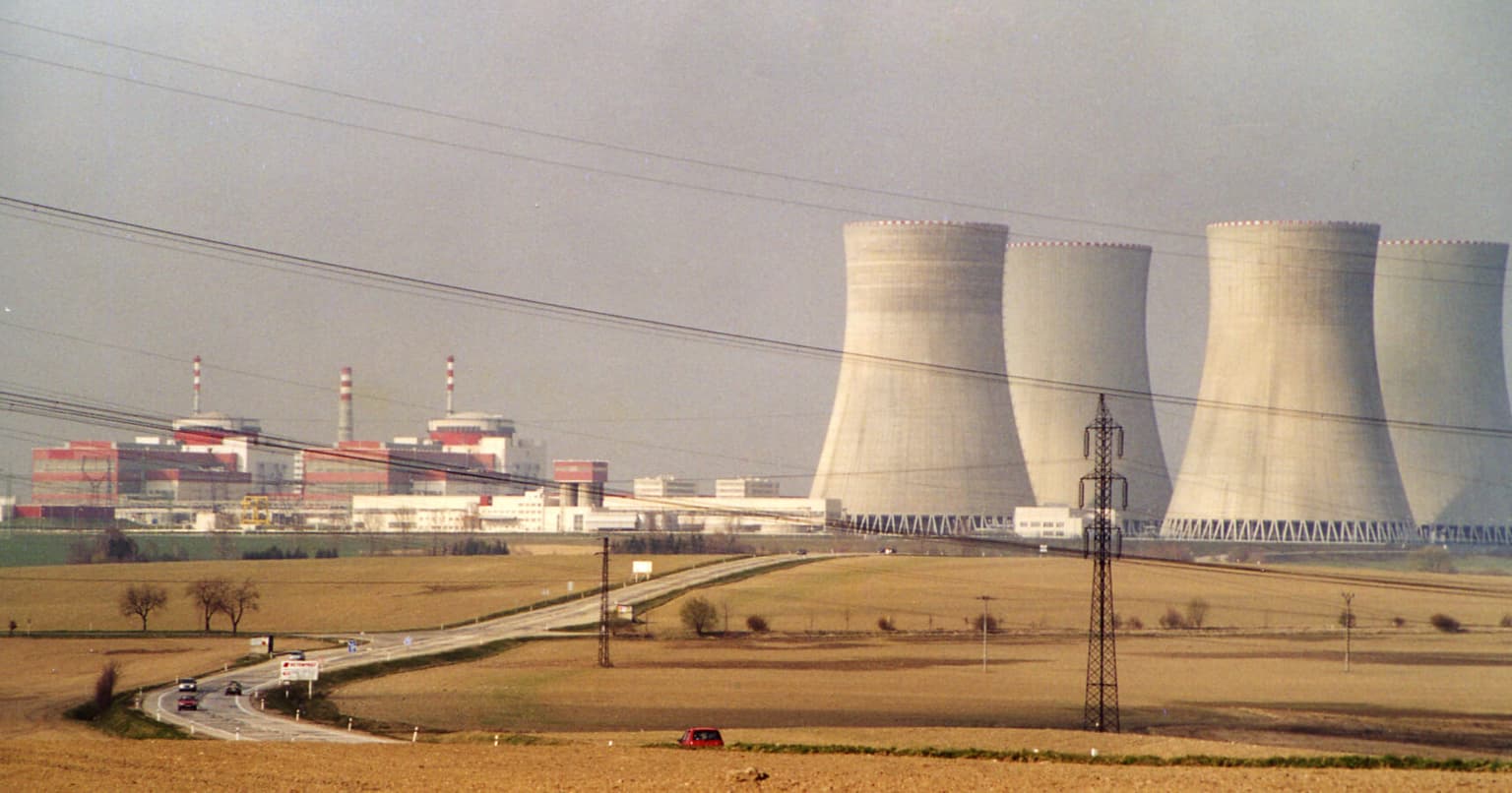
Temelín nuclear power plant in the České Budějovice region has upgraded the first of its eight diesel generators. It aims to modernise all of them by 2030, investing hundreds of millions of korunas in the project. The upgrade is part of preparations for the plant to operate for at least 60 years, and possibly longer, its spokesperson Marek Sviták said in a press release.
The diesel generators provide backup power for safety systems. Most are housed in seismically resistant buildings. Their resistance is the same as that of the building protecting the reactor. This means they can withstand an earthquake at least one hundred times stronger than any ever recorded near the plant. They are used for only a few hours a year.
Read the full article HERE.
6. Congestion on Europe’s transmission grid could double by 2030, analysts warn
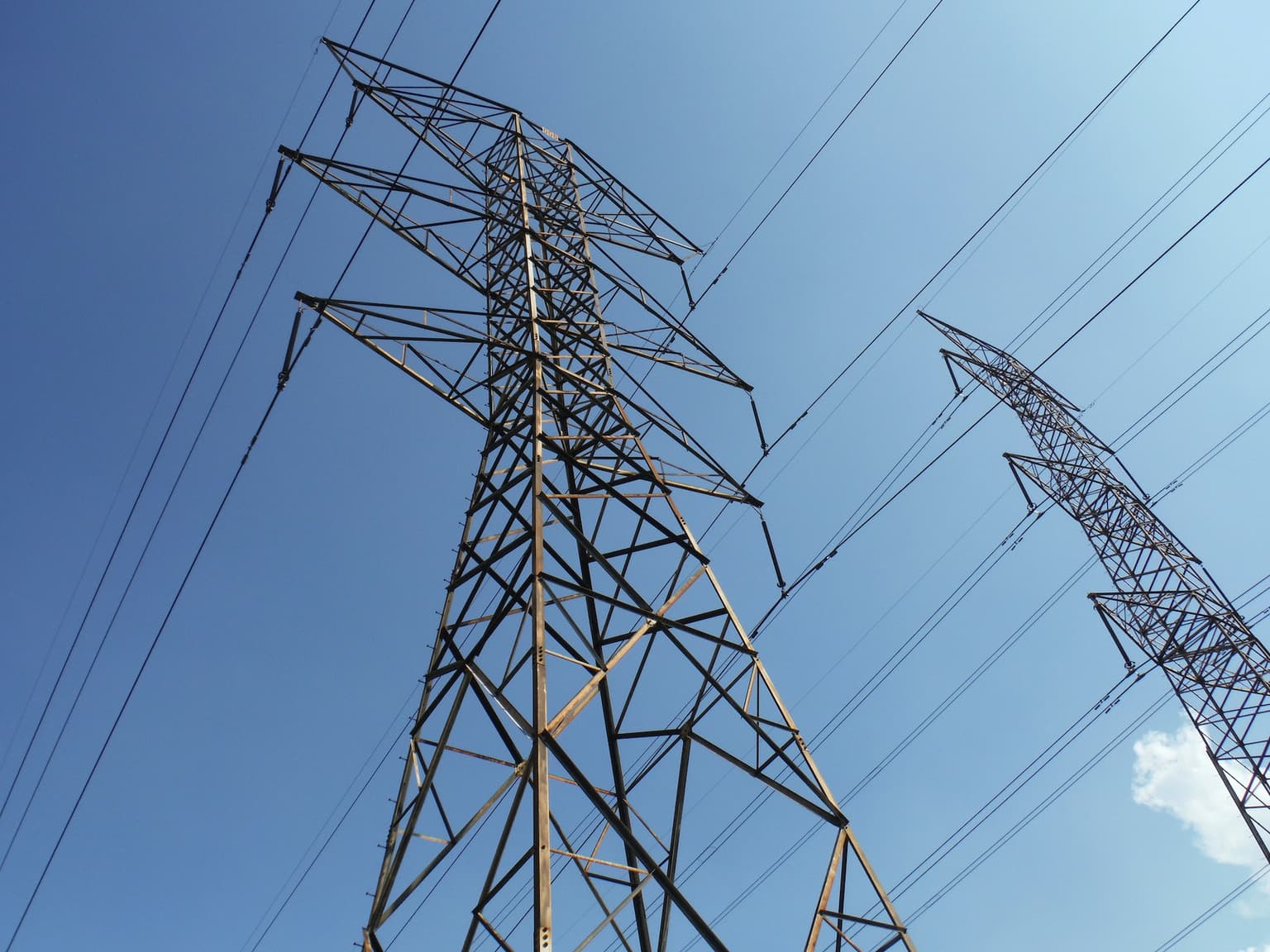
Europe’s transmission grid is experiencing congestion more frequently. The volume of electricity that cannot be safely transmitted because of limited grid capacity could almost double by 2030, according to a new analysis. The increase is driven by renewable energy being built much faster than the grid can be expanded to accommodate it. Unless Europe accelerates grid investment, the risk of system instability and the costs of redispatch will continue to rise.
According to estimates by Aurora Energy Research, the volume of electricity that cannot be safely transmitted because of limited transmission capacity could reach 140 TWh by 2030. That is almost twice the current 72 TWh, analyst Daniel Boehmer told the Montel news agency.
Read the full article HERE.
7. Two out of three Germans oppose the EU ban on combustion engine cars from 2035

Two-thirds of Germans oppose the European Union’s planned ban on the sale of new cars with combustion engines from 2035, according to an opinion poll conducted for German public broadcaster ARD. Only about a third support the move towards zero emissions. Arguments against the ban include concerns about the competitiveness of Europe’s automotive industry, the social impact of the transition to electric mobility and restrictions on freedom of choice.
According to the latest opinion poll, 67 % of Germans surveyed said they considered a ban on newly registered petrol and diesel cars from 2035 to be the wrong move. A majority across the political spectrum opposed the measure, while only 28 % of respondents thought the ban was the right decision. Support for the ban among adults under 35 is relatively high at 34 %, but a majority (55 %) are also opposed.
Read the full article HERE.
8. Rising CO2 prices could increase social tensions, German government report warns
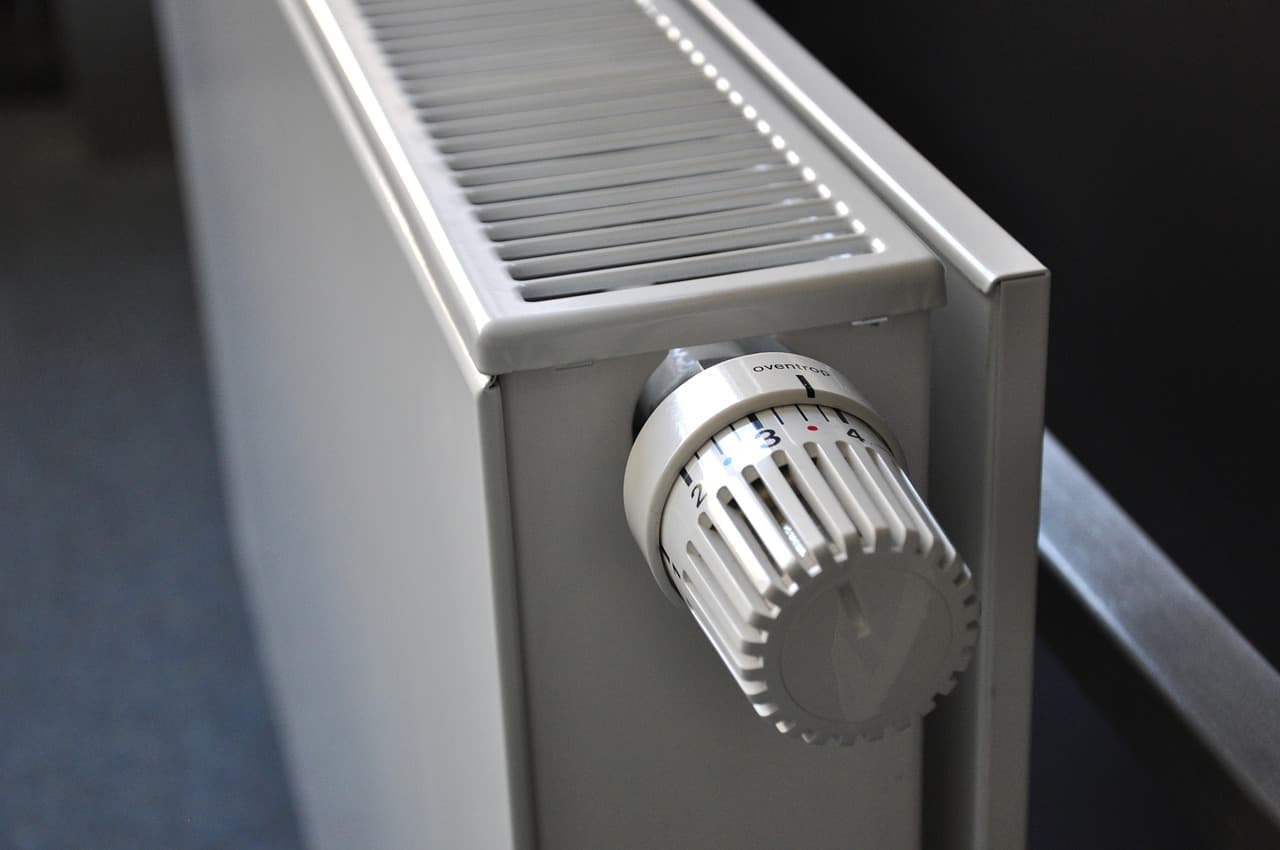
A German government report warns that current climate policy could deepen social inequalities, primarily because of rising CO2prices. Low-income households bear relatively higher energy costs and have fewer resources to invest in energy-efficient technologies. The report therefore recommends continuously monitoring the social impacts of climate measures and introducing effective compensation for vulnerable groups.
Rising CO2 emissions prices are increasing heating and transport costs in Germany, disproportionately affecting low-income households, according to the government’s “Poverty and Wealth Report”. The document says these households spend up to 13 % of their family budget on energy—more than twice the share spent by wealthier households—and often lack the capital to invest in energy-efficient technologies such as home insulation, heat pumps or electric cars, which could reduce their energy bills over the long term.
Read the full article HERE.
9. Taiwan considers restarting nuclear power plants, including one shut down this year

Over the past seven years, Taiwan has shut down all of its nuclear power plants. A combination of gas, coal and renewable sources was intended to replace them. However, the World Nuclear News (WNN) website reported that the government has reopened debate on restarting the closed plants.
The Democratic Progressive Party’s “Nuclear-Free Taiwan by 2025” strategy in 2016 set out the gradual phase-out of all nuclear units. Between 2018 and 2024, the government shut down the Chinshan and Kuosheng plants, as well as unit 1 at the Maanshan plant. Completion of the planned nuclear phase-out meant disconnecting Maanshan 2, the last reactor, from the grid this May.
Read the full article HERE.
10. Huge ambitions, weak reality: hydrogen use in the EU is far behind expectations
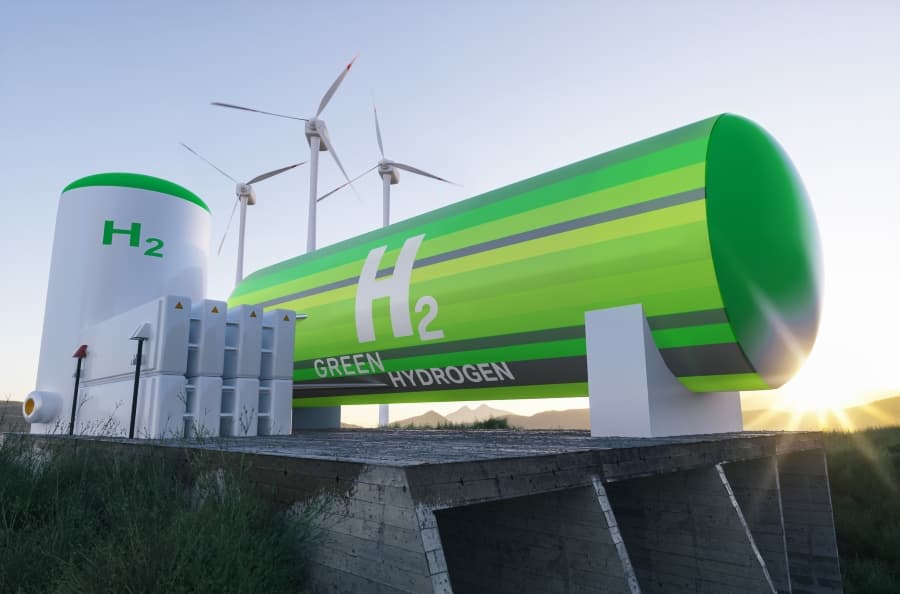
Hydrogen development and its use in the energy sector are nowhere near the targets set by the European Union. In 2024, a total of 308 MW of electrolysers were in operation in the EU—only a fraction of the 6 GW target set out in the European hydrogen strategy. The EU is also falling short of its target for hydrogen production in 2024.
Hydrogen development in the European Union is significantly behind the ambitious targets set out in its hydrogen strategy. Hydrogen is nevertheless expected to be one of the pillars of the transition to clean energy and a way to end dependence on fossil fuels, particularly natural gas.
Read the full article HERE.
Energostat: electricity generation in the Czech Republic
Data in this chart is also available in 15-minute resolution60min15min
Energostat: electricity generation in Germany
Data in this chart is also available in 15-minute resolution60min15min
More up-to-date charts and data are available on Energostat
Translation disclaimer
This article is a machine translation of the Czech original and has not yet been fully reviewed. In case of any doubt, please refer to the Czech version.
Sdílejte článek prostřednictvím:
Topics:Energy Weekly
You might also like
26 October 2026, 19:59

26 October 2026, 14:24