This week, we once again bring you a carefully selected list of the ten most important articles we published on oEnergetice.cz. If you missed any of them, here is a selection of the articles that attracted the most interest from our readers. Good luck in the week ahead!
One of the options under consideration for how the government could help lower energy prices is reducing the regulated component of energy prices. This would affect the budget, but could have a positive impact on potential inflation growth. Industry and Trade Minister Karel Havlíček (ANO) said this today at the Development Leaders Meeting conference. In the near future, he said, Czechia and other countries will have to address rising inflation. Havlíček said the state has tools at its disposal that must be ready to be deployed.
According to Havlíček, current measures to lower energy prices are mainly short-term. On Tuesday, he said the Ministry of Industry and Trade had begun preparing a crisis plan for the economic resilience of the Czech Republic last week in response to the situation in the Middle East. It is preparing strategic scenarios for the event of a risk of energy shortages or further price escalation.
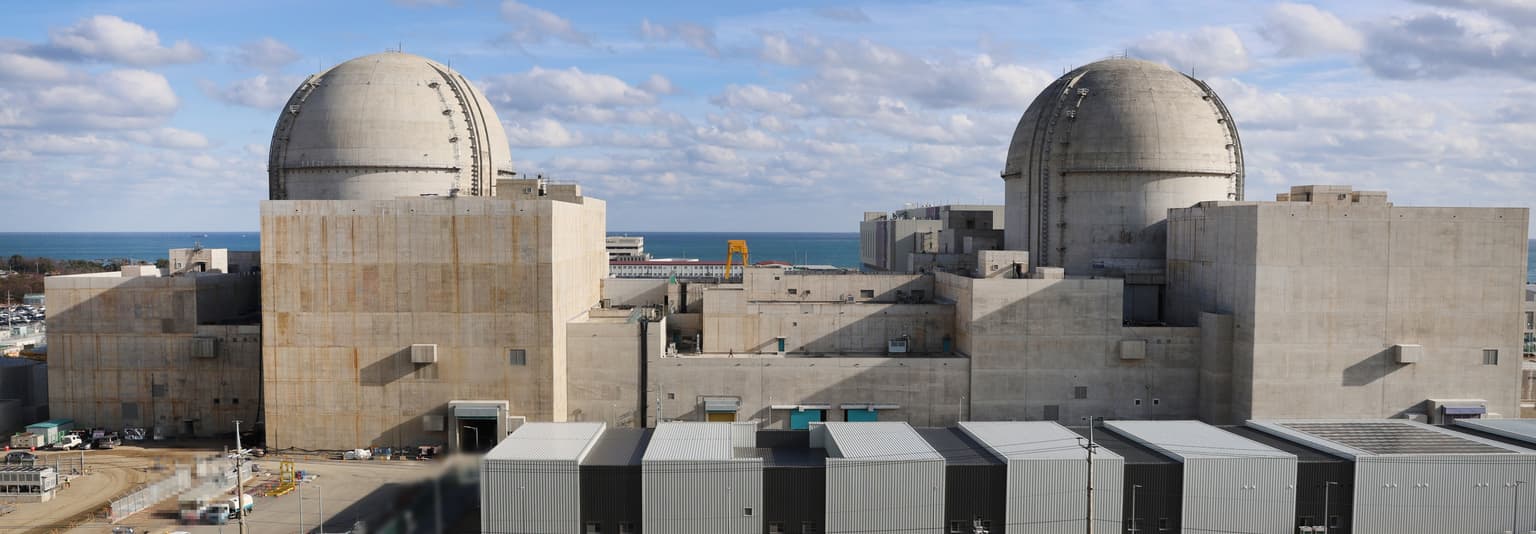
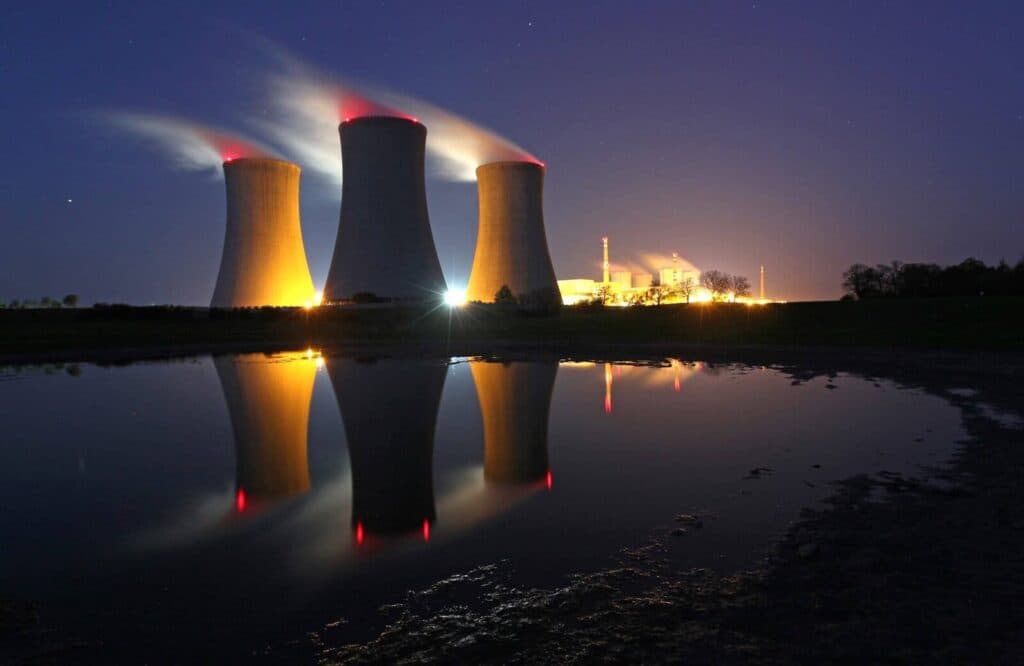
South Korea’s new Saeul 3 unit has reached an important milestone ahead of entering commercial operation. The APR-1400 reactor, with an installed capacity of 1400 MW, has achieved criticality for the first time. Before official commissioning, the unit will undergo tests at various power levels. KHNP began construction of the unit in April 2017.
South Korean company Korea Hydro & Nuclear Power announced an important milestone in the commissioning of the new Saeul 3 nuclear unit. The APR-1400 reactor achieved criticality for the first time on 13 April, meaning a stable nuclear fission chain reaction. The company received an operating licence for Saeul 3, with an installed capacity of 1400 MW, at the end of last year and subsequently began loading nuclear fuel.
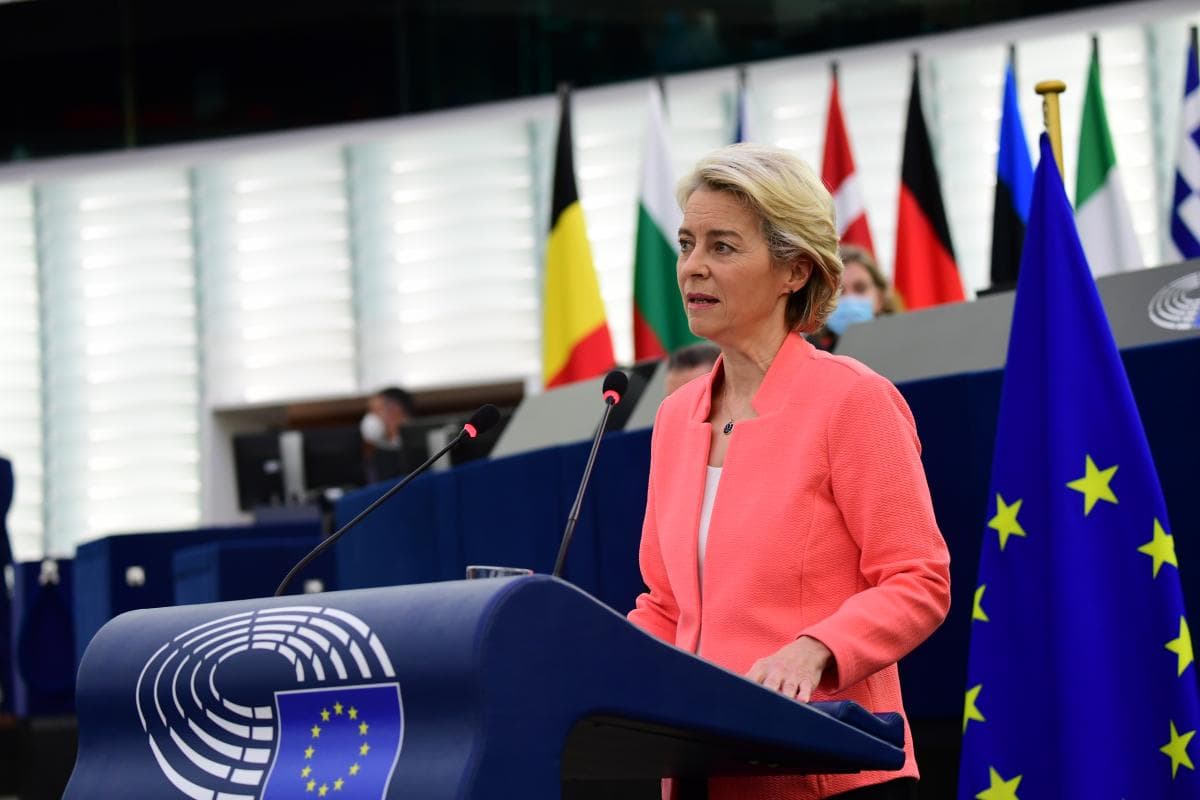
Brussels, 13 April (CTK correspondent) – Restoring freedom of navigation in the Strait of Hormuz is of utmost importance, European Commission President Ursula von der Leyen said. The Middle East cannot be stable while Lebanon is in flames, she added. At an extraordinary meeting of the EU executive today, commissioners discussed the impact of the conflict in Iran and the surrounding region. They agreed that all measures taken by EU member states to reduce energy prices must be coordinated.
Iran has blocked the Strait of Hormuz, a key waterway for global shipments, especially of oil and natural gas, since the beginning of March in retaliation for Israeli-American strikes on its territory, despite the current ceasefire. Moreover, following the collapse of weekend peace talks, the U.S. Navy is also planning to begin blockading Iranian ports this afternoon CEST.
According to Reuters, Chinese officials have held talks with suppliers of machinery and technology for manufacturing solar panels. This is because Beijing is considering restricting exports of these technologies, particularly the most advanced ones, to the United States. The talks were likely the first consultations; according to the news agency, representatives have not yet discussed details or sought feedback from the industry.
China’s Ministry of Commerce has not yet commented on the report. However, it would be another show of strength in a sector in which China has a major presence, following Beijing’s restrictions on rare earth exports last year in response to U.S. tariffs. All this is taking place ahead of a summit between the two countries’ presidents, which is due to be held in Beijing in May.
Solar panels have started to become more expensive, with prices rising by as much as half since the beginning of this year. Last year, however, panel prices in the Czech Republic were falling at a record pace. The reversal in the price trend was driven mainly by rising prices for key raw materials, as well as increased demand and higher logistics costs. This is according to information from solar company Greenbuddies. Industry companies no longer expect panel prices to fall.
According to experts, the solar panel market has entered a new phase this year. “In recent years, we have witnessed an unprecedented drop in solar panel prices. This significantly accelerated the development of photovoltaics and the transition to renewable energy sources. Prices are now gradually moving back closer to actual production and logistics costs, which is also reflected in prices for investors and end customers,” said Dan Štajner, commercial director at Greenbuddies.
The municipality of Jívová in the Olomouc Region has received its first million Czech crowns in revenue from the operation of five wind turbines, which have been running since the beginning of last year. Over their planned lifetime, Jívová is set to receive at least 25 million crowns from the operator. The municipality, with more than 600 residents and an annual budget of around 17 million crowns, will use the money to repay a loan for its sewerage system and wastewater treatment plant, and then for further investment. Mayor Jan Pewner (All for Jívová) told CTK.
Preparations for the construction of the five wind turbines near Jívová took more than 15 years because of appeals against official rulings and lawsuits. The turbines have a total capacity of ten megawatts (MW). The nearest one is less than a kilometre from the built-up area, and its blade reaches a height of 135 metres at the top of its rotation. The turbines were built without a local referendum. Some Jívová residents, however, feared increased noise and a negative impact on the landscape, tourism and property values.
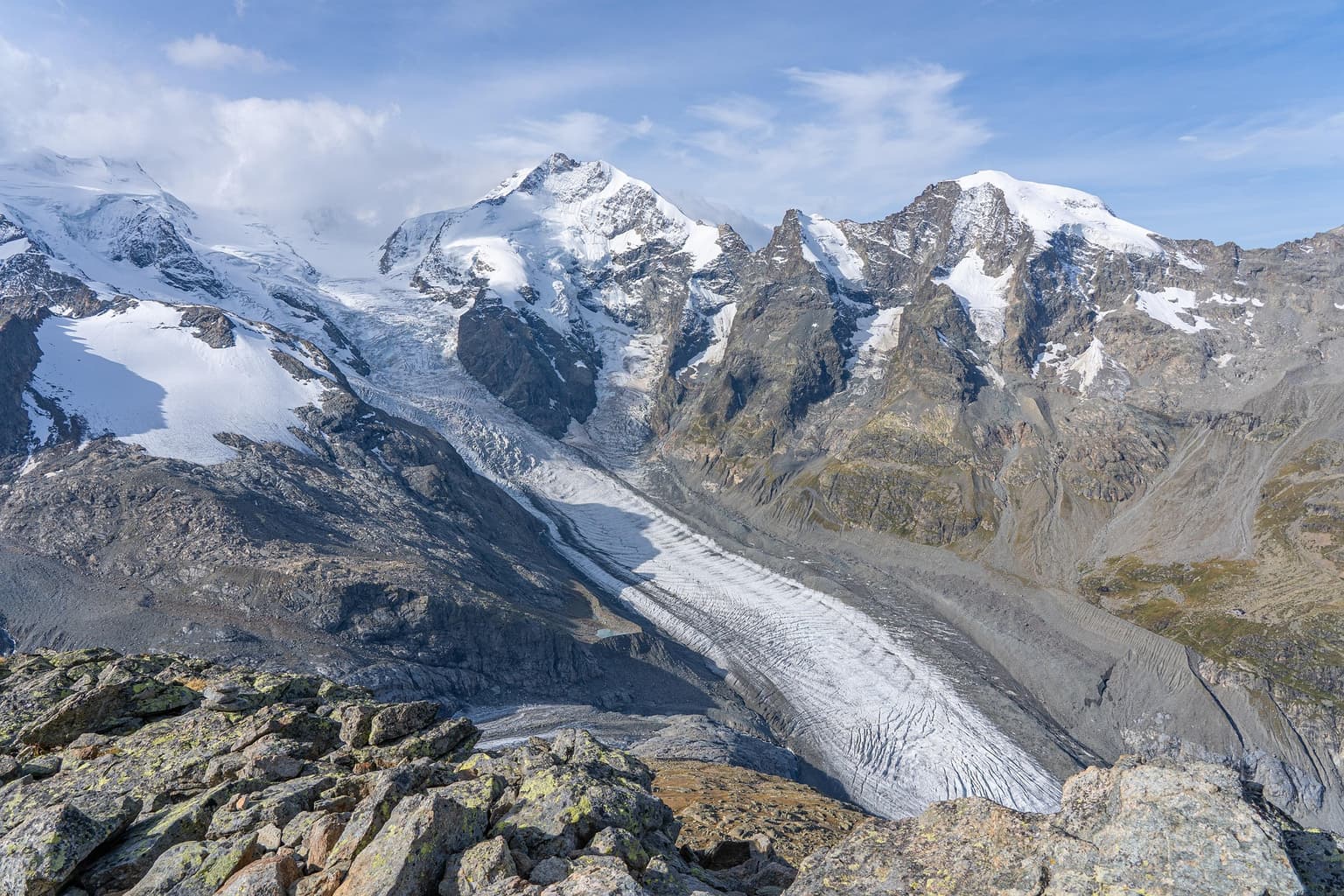
Climate change is gradually reshaping Austria’s hydrological landscape. This affects not only the environment but also electricity generation from Austria’s extensive fleet of hydropower plants. Some scientists say Austria is approaching a point at which glaciers will permanently shrink and no longer be able to significantly increase river flows. Some call this phenomenon “peak water”.
Hydropower has been an integral part of Austria’s energy mix, accounting for around 60 % of generation in 2024. Water provides a significant share of generating capacity, and state-owned Verbund AG generates up to 90 % of its electricity from water. Reports of problems with glaciers therefore have far-reaching economic implications.
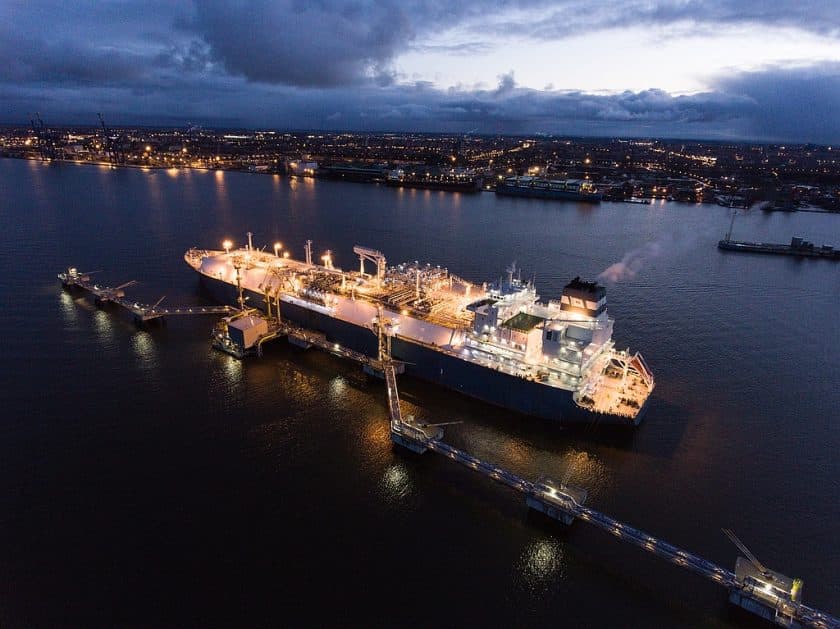
Tensions in the Middle East are once again showing how vulnerable Europe is to fluctuations in global energy markets. Energy expert Miroslav Hašek says the European Union should therefore purchase as much gas as possible jointly. Otherwise, there is a risk that powerful Asian countries will outbid it.
“The decision to decarbonise Europe, which was undoubtedly made with good intentions, completely changed how the energy sector works,” Miroslav Hašek tells Ekonews in an interview. “And this is precisely where it becomes clear that the energy sector is no longer just about generation and infrastructure, but increasingly also about data, forecasting and the ability to make fast and sound operational decisions,” he adds.
Oil prices are plunging on global markets today after Iran announced that the Strait of Hormuz is fully open to commercial shipping. Under normal circumstances, around one-fifth of the world’s oil supplies pass through the strategic strait. Its blockade by Tehran following the U.S.-Israeli attack on Iran led to a sharp rise in prices, which repeatedly exceeded USD 100 per barrel.
At around 15:30 CEST, Brent crude was down ten percent to below 89.50 dollars per barrel. A barrel of U.S. West Texas Intermediate (WTI) crude was down 10.7 percent, trading at around 84 dollars.
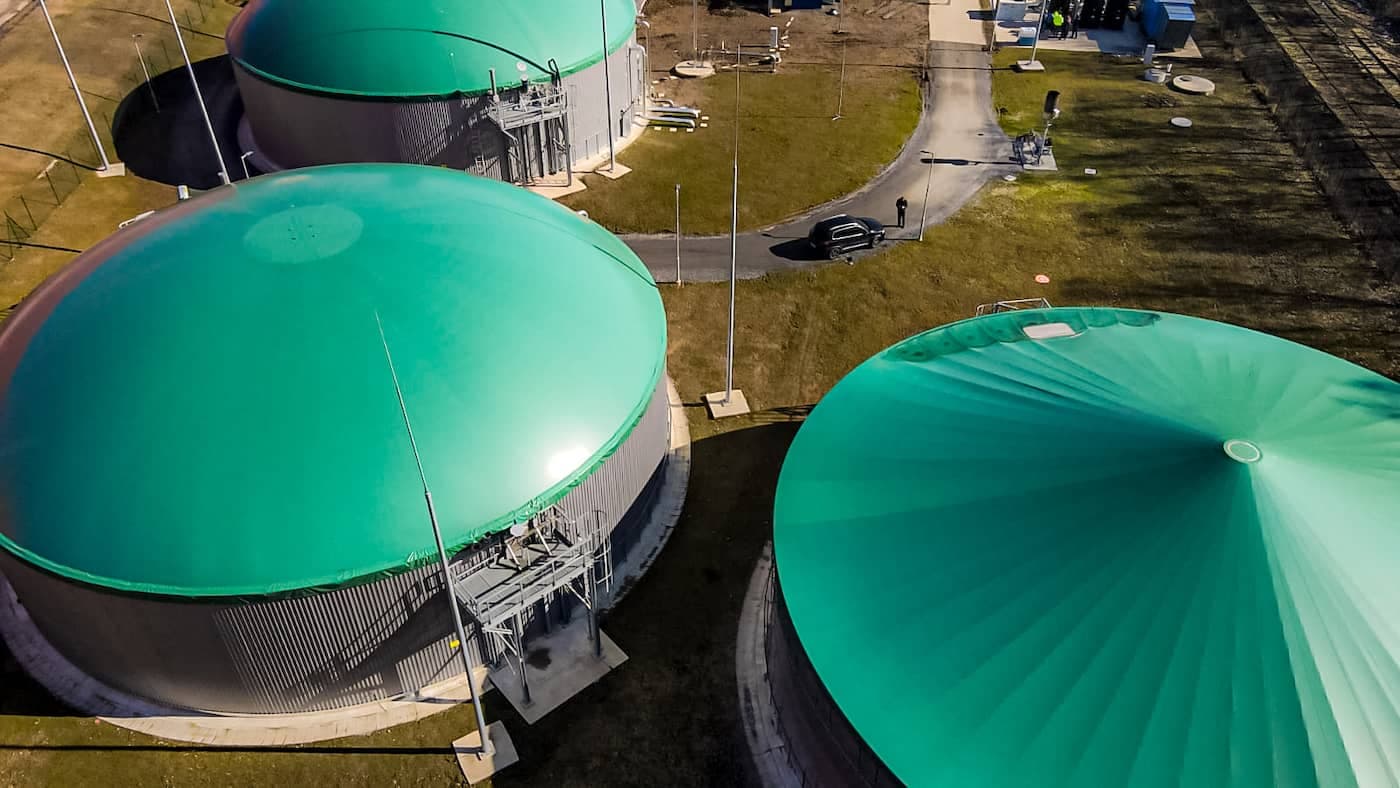
The European Commission has approved a Czech programme worth 3.7 billion euros (90.2 billion Kč) to support the construction of biomethane plants. The money will not come from the EU budget, but from Czech sources—the Commission has only assessed and approved the programme under competition rules. The measure is intended to contribute to the transition to a net-zero economy. Sustainable biomethane can be used in transport, heating and industry. Support will be available until the end of 2030. The Commission announced this in its statement.
“The programme will support new capacity at both newly built biomethane plants and existing biogas plants that will be converted to biomethane,” the Commission said.
Energostat: electricity generation in the Czech Republic
Data in this chart is also available in 15-minute resolution60min15min
Energostat: electricity generation in Germany
Data in this chart is also available in 15-minute resolution60min15min
More up-to-date charts and data are available on Energostat
Translation disclaimer
This article is a machine translation of the Czech original and has not yet been fully reviewed. In case of any doubt, please refer to the Czech version.