Top 10 energy stories of the past week
This week, we once again bring you a carefully selected list of the ten most important articles published on oEnergetice.cz. If you missed any of them, here is a selection of the stories that attracted the most interest from our readers. Best of luck in the week ahead!
1. Political failure or a technical limit? German batteries run into grid constraints
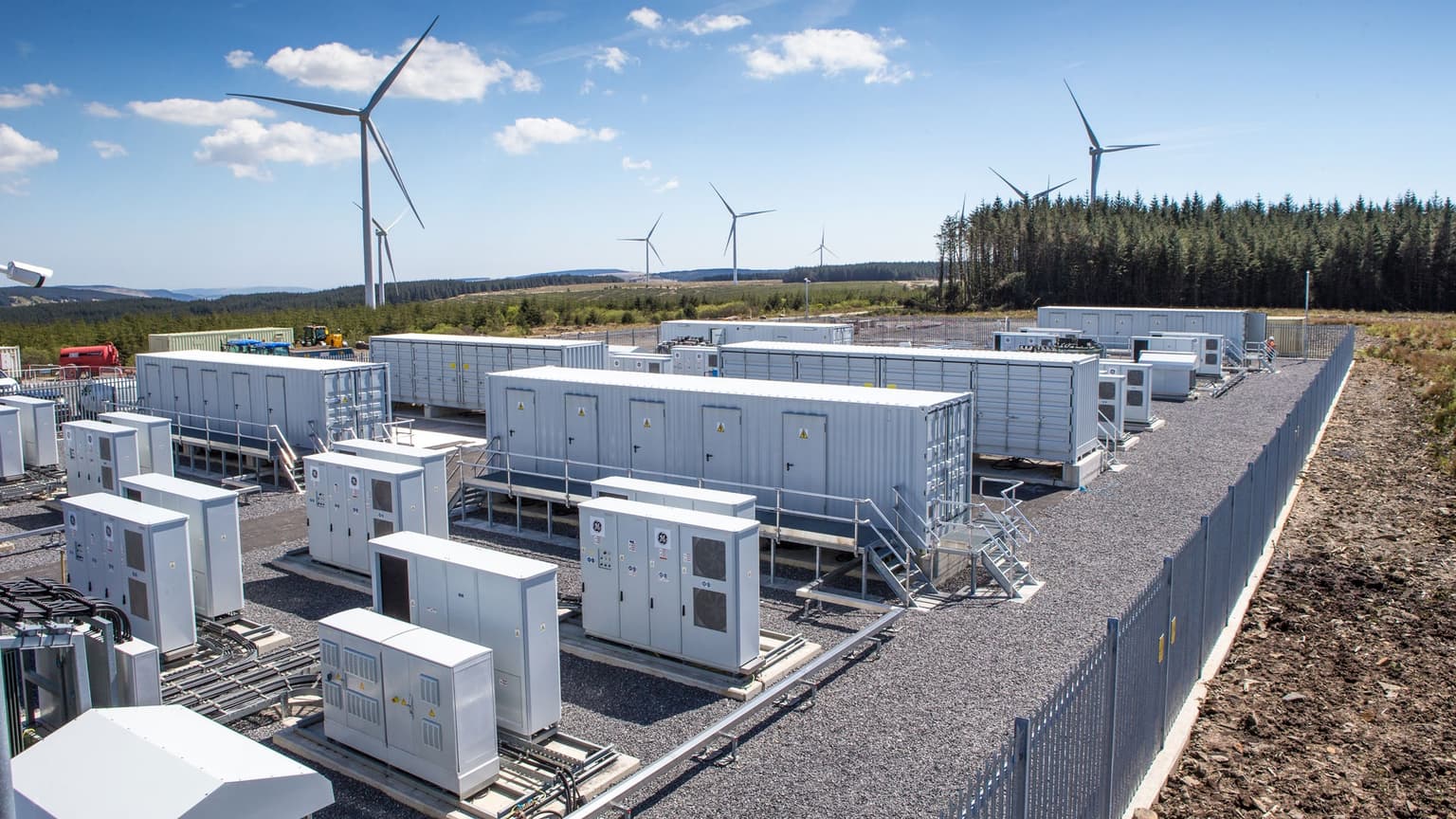
Distribution system operators in Germany have been grappling in recent years with a rapid surge in new battery storage projects. Almost 10,000 projects are already awaiting approval for future grid connections. Grid operators say caution is nevertheless warranted, as connecting all the potential storage facilities could easily overload the power system. The development of energy storage, including battery storage, is one of Germany’s key priorities given the continued growth in renewable capacity.
In recent years and decades, Germany has significantly expanded its installed wind and solar capacity, bringing with it greater demand for balancing their intermittent output. Battery storage is expected to play a key role in this area, especially given how relatively easy and quick it is to build. Battery storage also offers considerable flexibility and, in addition to providing ancillary services, can help balance price differences throughout the day.
Read the full article HERE.
2. Record week on the day-ahead electricity market: prices were negative for a fifth of the time
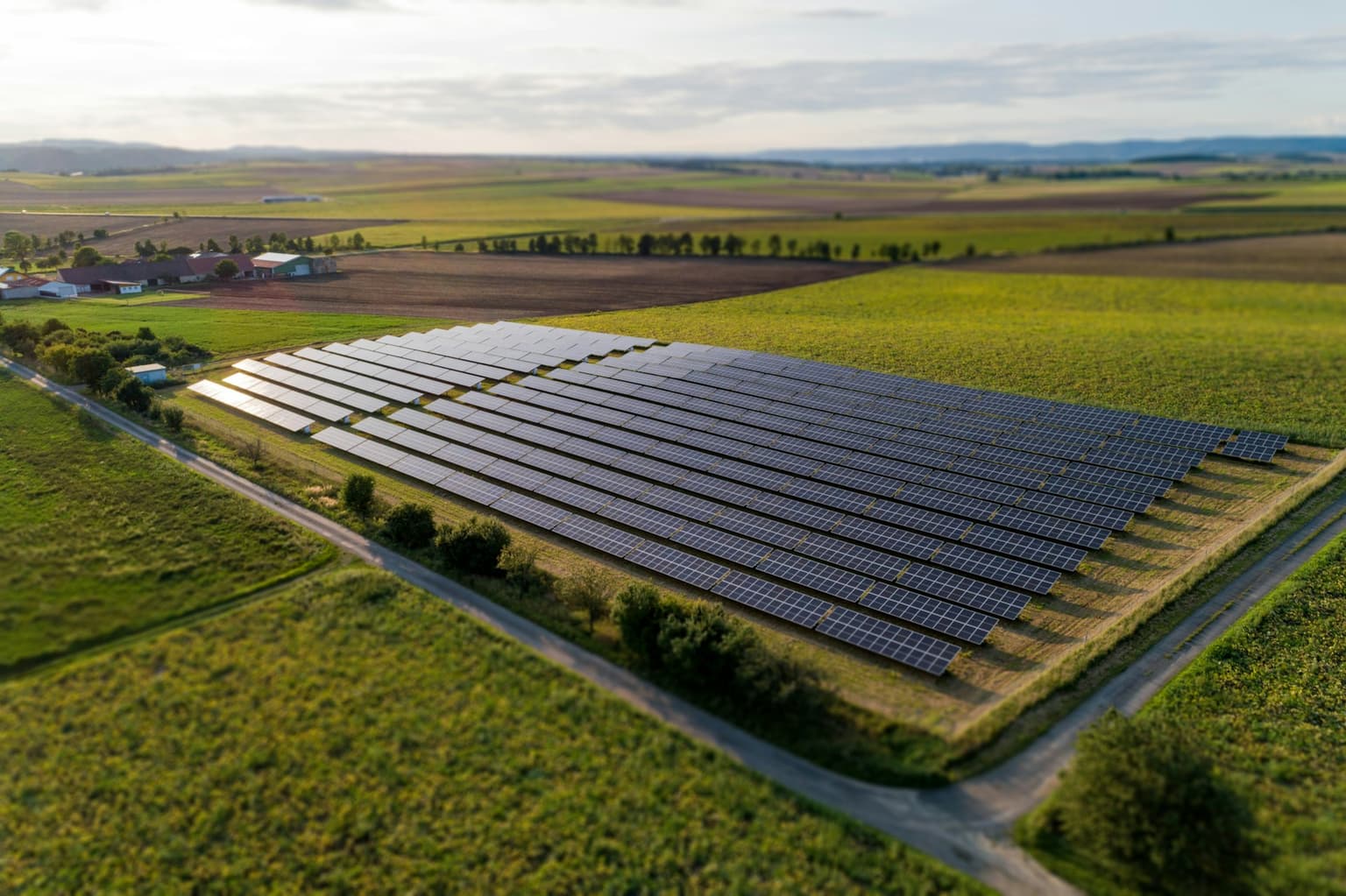
Day-ahead electricity prices fell deep into negative territory last week. Around midday on Sunday, the day-ahead price was at its lowest level since at least 2015 (and very likely a record low over a much longer period). At 14:00, the electricity price reached -489 EUR/MWh. Negative prices appeared from Wednesday onwards last week, with almost a fifth of all quarter-hourly periods ending up in negative territory.
With sunny weather, negative electricity prices returned in force to the day-ahead market. They are most common at weekends, when electricity consumption in the country is generally lower. Last week, however, was unusual in this respect.
Read the full article HERE.
3. Belgium follows Czechia, considers nationalizing nuclear power plants
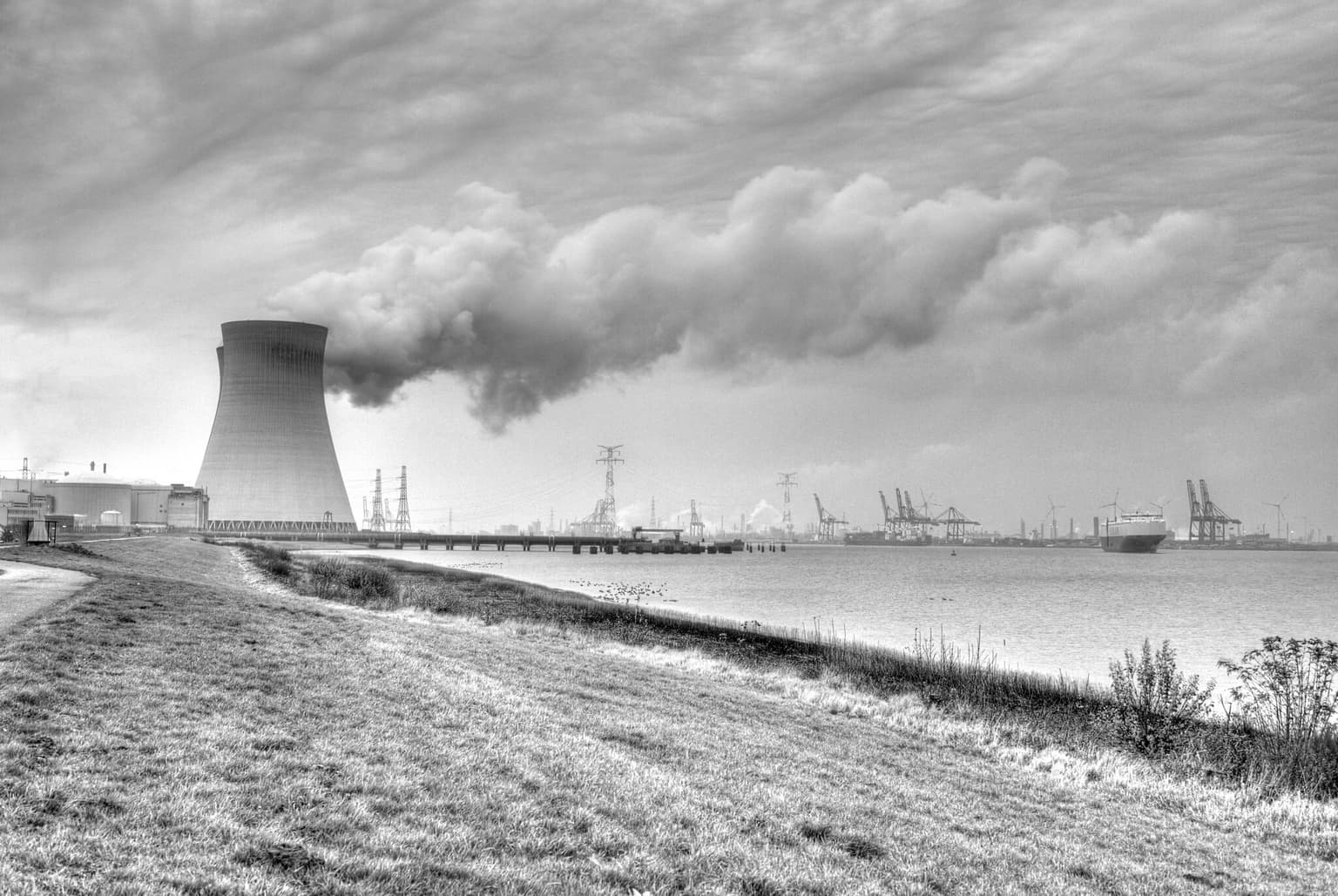
Belgium has begun talks on buying nuclear power plants from French company Engie, confirming Europe’s return to nuclear power in the wake of the energy crisis. Discussions about bringing a total of seven nuclear reactors into state ownership are still at an early stage, but Belgium also appears to be targeting a transfer of its nuclear power plants to state hands.
Europe’s energy sector has undergone a major transformation in recent years. After a period of declining interest in nuclear power following the Fukushima nuclear accident, a number of countries are returning to nuclear energy as a key source for ensuring both energy security and decarbonization. The latest example is Belgium, which is negotiating the takeover of its nuclear power plants from French company Engie.
Read the full article HERE.
4. Bangladesh’s first nuclear reactor nears start-up as Rosatom begins loading fuel
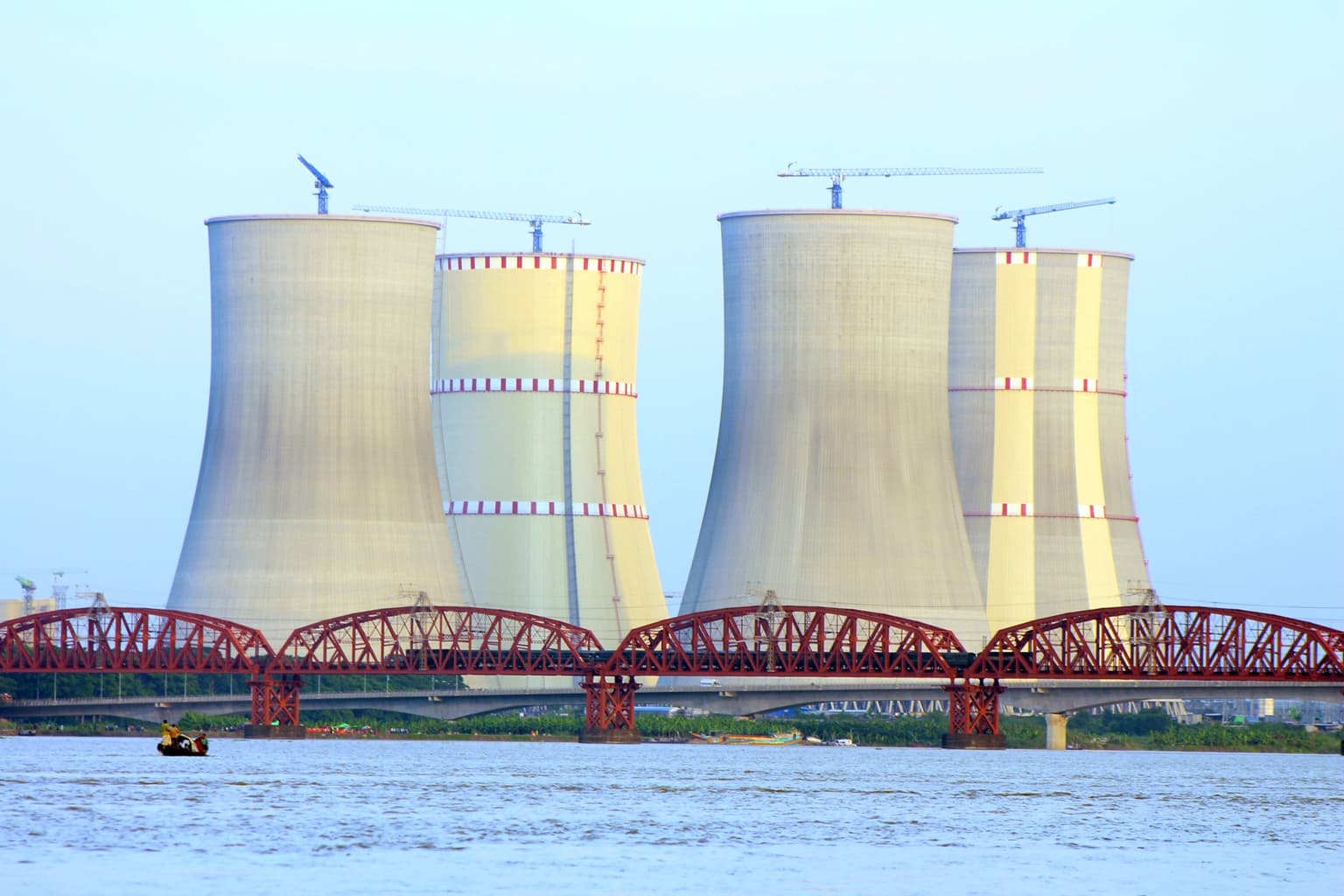
The South Asian nation of Bangladesh is expected to join the list of countries using nuclear power to meet their energy needs in the near future. Russian company Rosatom announced earlier this week that it had begun loading nuclear fuel into the first unit of the Rooppur plant. Once completed, it will be the country’s first nuclear power plant.
Bangladesh could see its first nuclear power plant come online this year. Construction began in autumn 2017, when concrete was first poured for the plant’s first unit. Once completed, Rooppur will have two VVER-1200 units with a total installed capacity of 2400 MWe.
Read the full article HERE.
5. Bulgaria wants to build two new nuclear units at Kozloduy for a fixed price
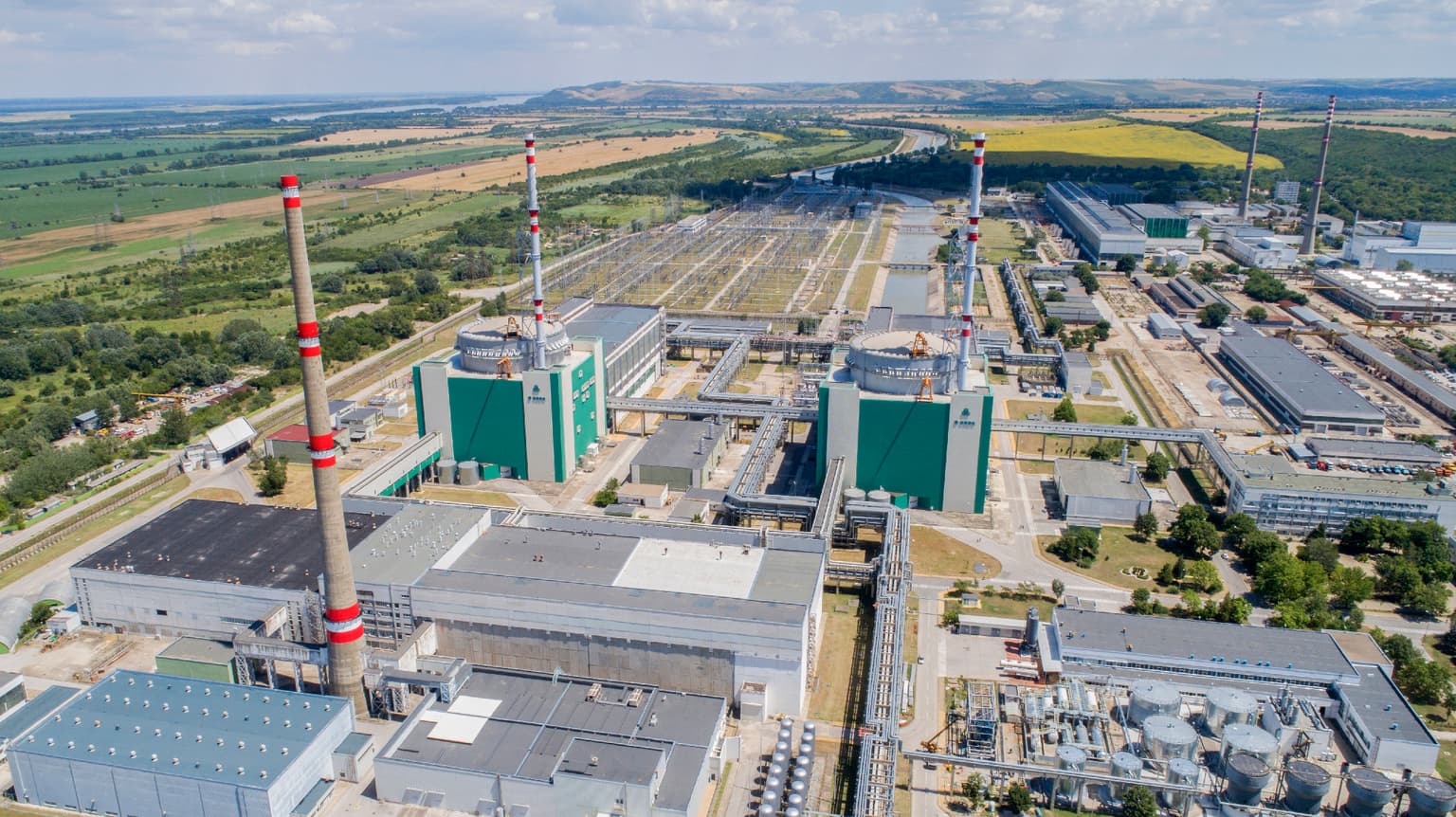
Bulgaria is continuing preparatory work on the construction of two new nuclear units at the Kozloduy power plant. The country has agreed with South Korean company Hyundai E&C to extend the engineering contract. The two new AP1000 units, with an installed capacity of 2300 MW, are planned to begin operating in 2035 and 2037. In addition to conventional nuclear units, the country is also considering building new small modular reactors to maintain nuclear power in its generation mix.
Bulgaria’s energy minister met with representatives of South Korean company Hyundai Engineering and Construction (Hyundai E&C) and the South Korean ambassador to discuss further cooperation on building the new nuclear units. Bulgaria signed an engineering contract with Hyundai E&C in November 2024 for two US-built AP1000 units at the Kozloduy power plant. The minister called for both units to be built at a fixed price, particularly in light of negative experiences with previous projects that suffered excessive delays and cost overruns.
Read the full article HERE.
6. Germany’s coal phase-out is progressing quietly but steadily and could be complete by 2032
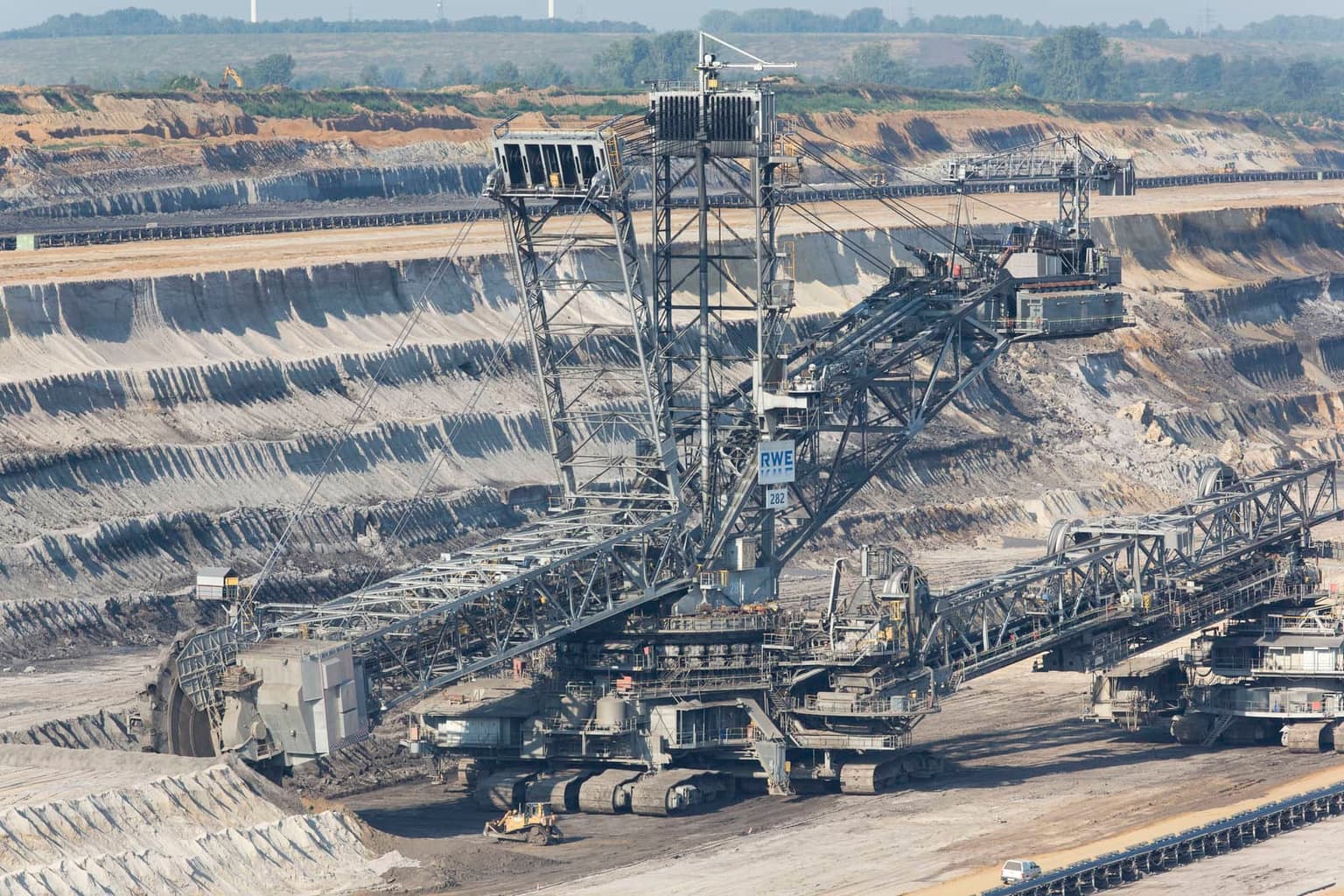
Germany could end coal-fired power generation significantly earlier than required by current legislation. According to an analysis by a researcher at the Öko-Institut, the coal phase-out is progressing “quietly” but steadily. Under current market conditions, it could be completed as early as 2031-2032.
Germany’s Coal Phase-out Act, passed in 2020, provides for coal use to end by 2038 at the latest. Developments in energy markets, however, suggest that economic factors—particularly rising carbon allowance prices and pressure from renewables—are pushing coal-fired power plants out of the market faster than originally expected.
Read the full article HERE.
7. A brake on high carbon prices: European Parliament adopts its position on ETS 2
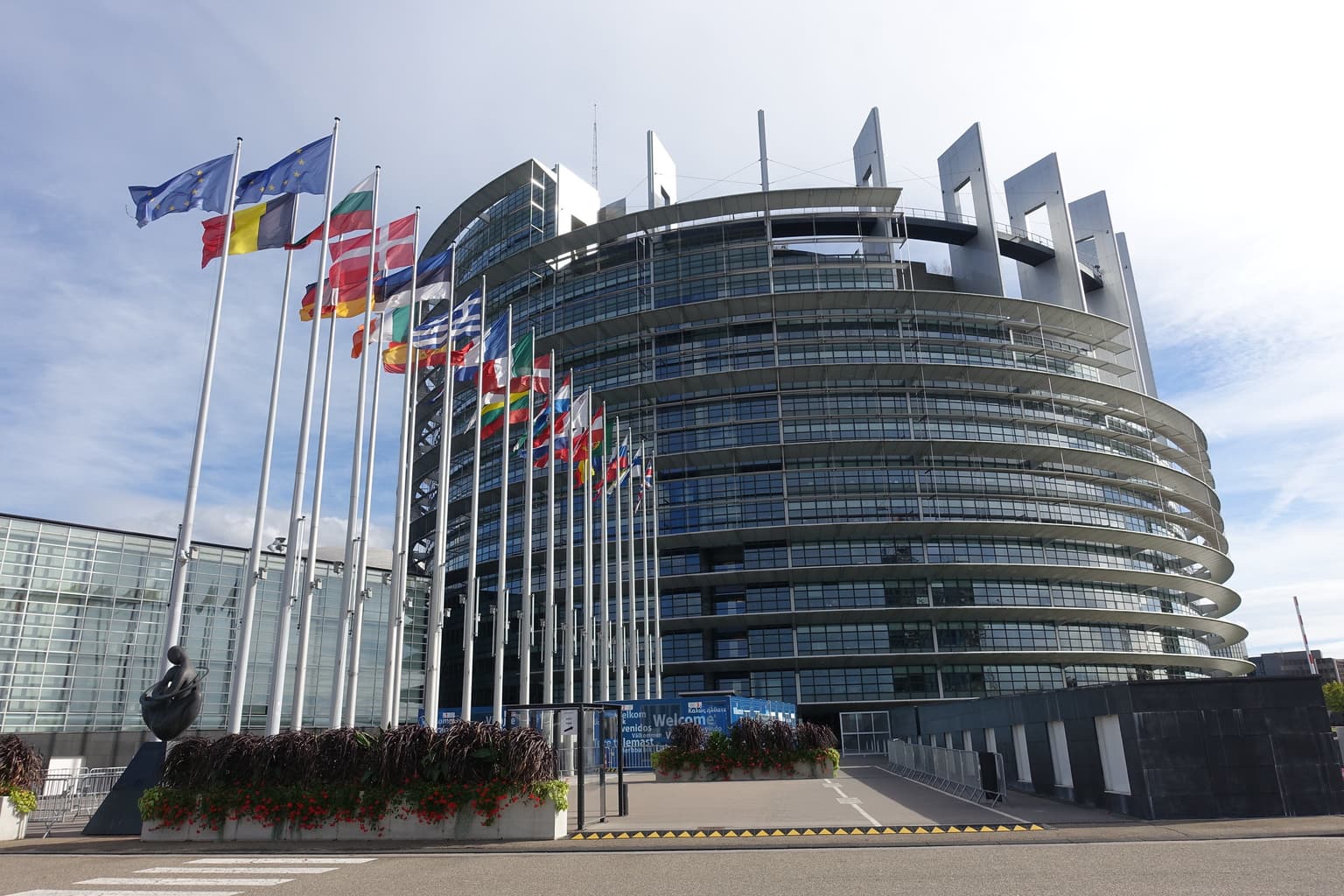
The European Parliament (EP) today approved its position on the European Commission’s (EC) proposal to amend the Market Stability Reserve in the EU ETS 2, the new emissions trading system for road transport, buildings and other sectors, which is due to take effect in 2028. The EP’s proposal would allow allowances to be released from the Market Stability Reserve a month earlier than proposed by the EC if prices rise, and provides for a cap on the price per tonne of CO2.
The EU emissions trading system is intended to incentivize emissions reductions. Companies must buy allowances for every tonne of carbon dioxide they emit. The more they emit, the higher their costs, giving them an incentive to invest in cleaner technologies. EU ETS 1 is Europe’s main carbon market and covers energy, heavy industry and aviation in the EU. The expansion of the system, EU ETS 2, is due to come into operation in 2028 following a one-year delay and is expected to cover road transport and building heating. The introduction of ETS 2 is also expected to include a Social Climate Fund to mitigate the impact on low-income households.
Read the full article HERE.
8. Solar power from space: Meta bets on revolutionary technology to power data centers
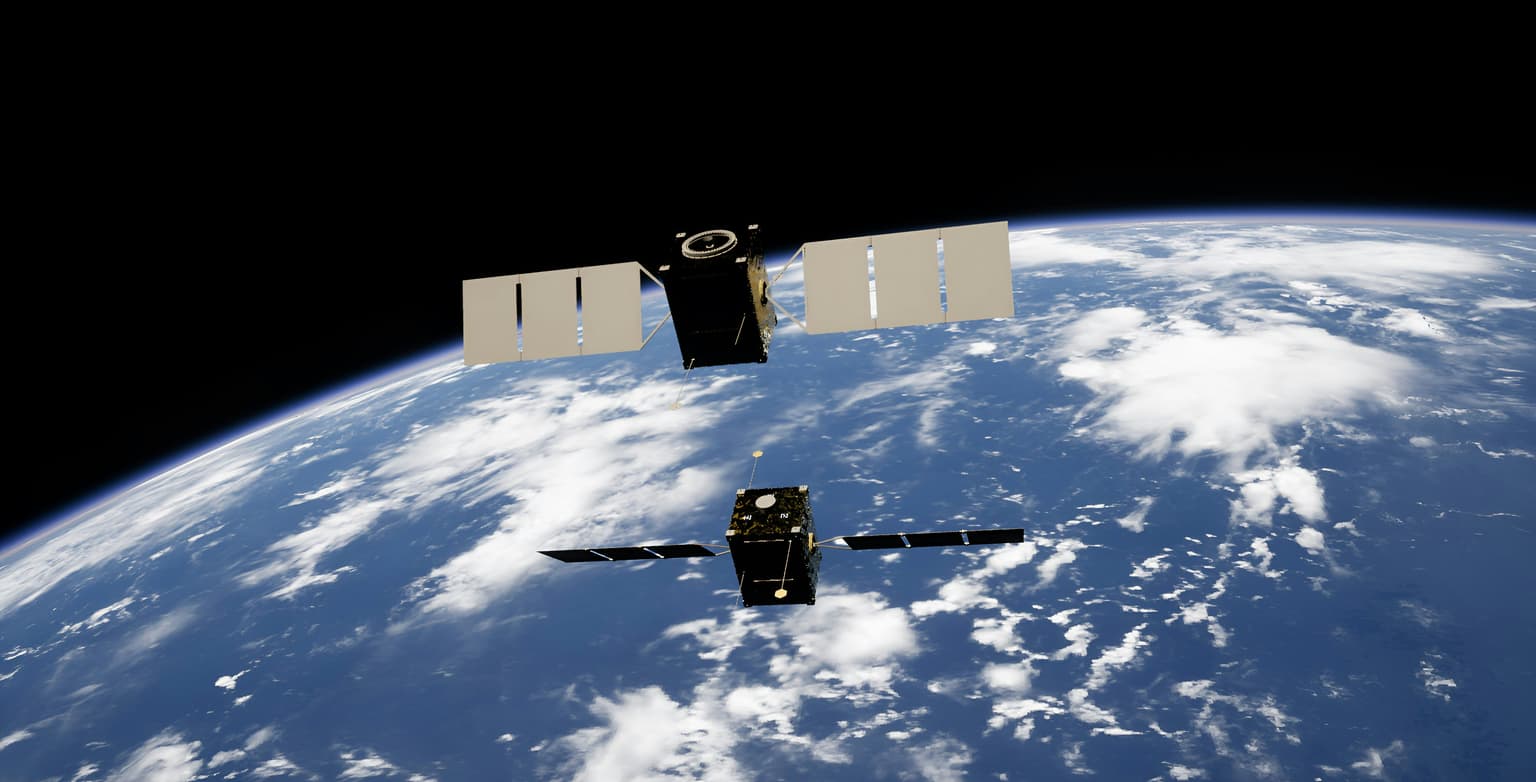
Meta Platforms announced a partnership with Overview Energy, which is developing a concept for transmitting solar energy from space to ground-based power plants. The partnership responds to growing demand for reliable electricity supplies as artificial intelligence develops. Meta has also signed an agreement for long-duration energy storage.
“Imagine one satellite constellation serving multiple regions throughout the day: California in the morning, Morocco in the evening, Chile at night. Space-based solar power will become a key part of the energy mix as demand grows.” Overview Energy says on its website.
According to an interview with its founders on the Engine Ventures website, the company was founded in the United States in 2022 and has a team of experts in energy, space and software. They are working to develop technology to capture solar energy in Earth’s orbit and transmit it to solar power plants on the ground.
Read the full article HERE.
9. US LNG from Texas heads to Europe as Golden Pass begins exports amid geopolitical turmoil
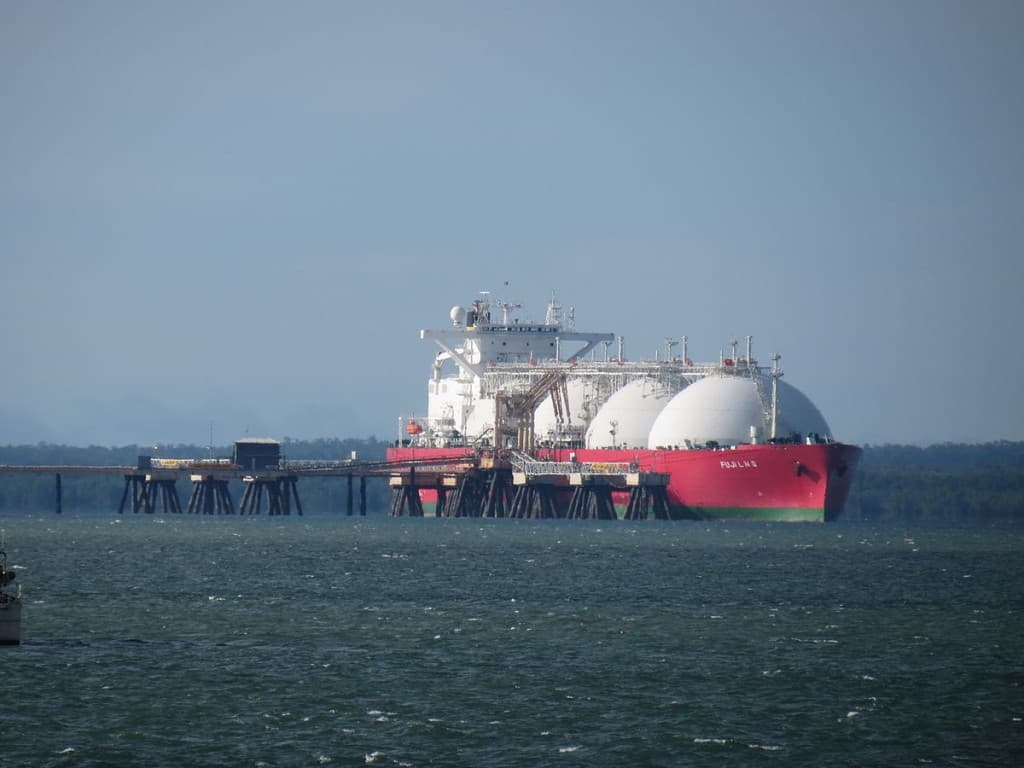
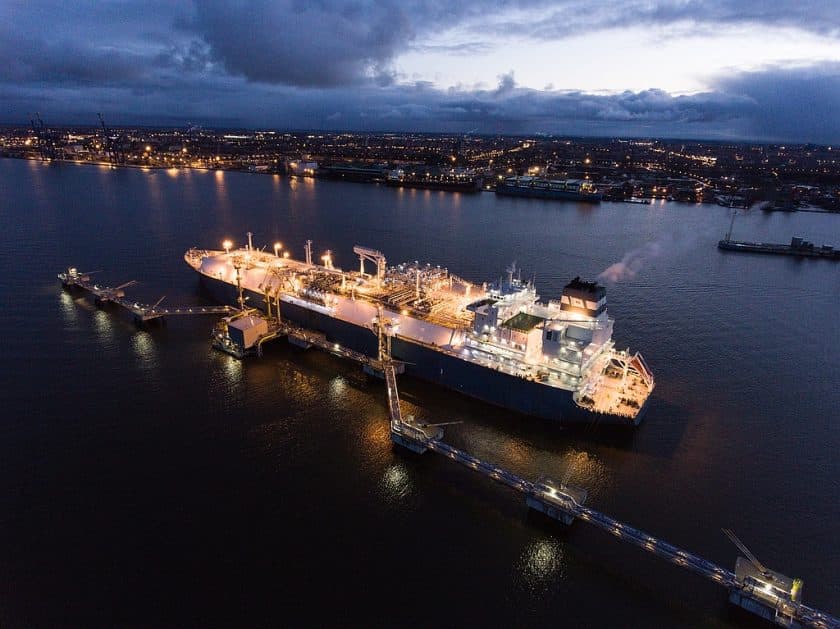
The new Golden Pass LNG export terminal in Texas has shipped its first cargo of liquefied natural gas. The tanker is bound for Belgium’s Zeebrugge terminal and, according to traders, is expected to partially replace supply shortfalls from Qatar following attacks on its LNG infrastructure. The project’s launch comes amid heightened volatility in the global gas market and confirms the growing role of the US in securing Europe’s energy supply, reports S&P Global.
The US Golden Pass LNG project reached a major milestone on 22 April, when its first-ever export cargo of liquefied natural gas (LNG) departed the terminal at Sabine Pass, Texas. The Al Qaiyyah tanker is bound for Belgium’s Zeebrugge terminal, where it is expected to arrive on 8 May.
Read the full article HERE.
10. EU eases state aid rules: Companies can receive up to 70% of higher energy costs
The European Union is responding to the sharp rise in energy and commodity prices with a new temporary state aid framework. On Wednesday, 29 April, the European Commission formally adopted the so-called Middle East Temporary State Aid Framework (METSAF), which is intended to enable member states to quickly support the sectors of the economy most affected.
Read the full article HERE.
Translation disclaimer
This article is a machine translation of the Czech original and has not yet been fully reviewed. In case of any doubt, please refer to the Czech version.