9 October 2026, 06:22
Loading...
Czechs breathed cleaner air last year, thanks in part to coal phase-down. Spolana and Tykač's power plants still pollute the most
Ekonews.cz
15 October 2024, 14:21
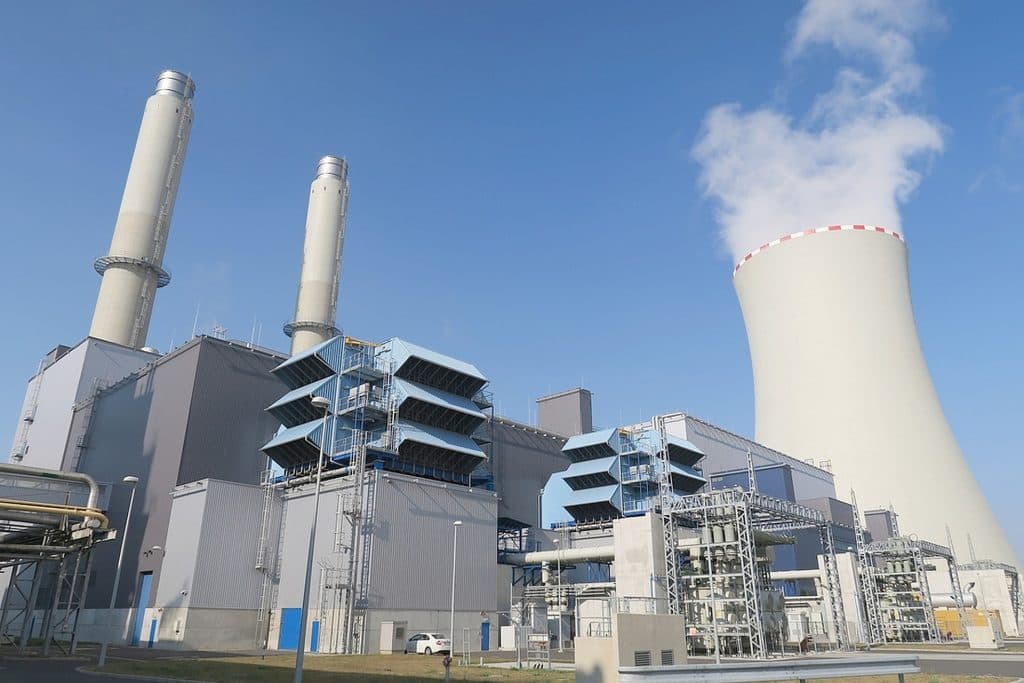
The amount of hazardous substances released into the environment fell last year compared with the previous year, with a few exceptions, according to data from the Integrated Pollution Register (IRZ). Chemical plants and facilities producing plastics contributed far more significantly to pollution. Nevertheless, coal-fired power plants remain the biggest polluters.
Overall emissions of pollutants generally declined, but there are exceptions. These include emissions of potentially carcinogenic styrene, dioxins transferred in waste, and substances that deplete the ozone layer.
The highest-ranking polluters in 2023 were mainly facilities in the Ústí nad Labem, Moravian-Silesian and Pardubice regions. Alongside Spolana Neratovice (part of the Orlen Unipetrol Group), the Počerady and Chvaletice power plants can be described as the most significant polluters. Liberty Ostrava steelworks dropped lower in the rankings after curtailing production in 2023.
“We can truly celebrate this year's decline in reported emissions of toxic substances from industrial facilities. However, it is important to bear in mind that industry is not required to report a number of toxic substances to the register. In light of the data reported by chemical plants, reducing plastics is also becoming increasingly important, as manufacturers of their raw materials, such as the chemical plants in Litvínov and Kralupy nad Vltavou, are pushing their way among the biggest polluters, summarised Jindřich Petrlík, head of the Toxic Substances and Waste programme at the Arnika association.
Further reductions are possible
Emissions of greenhouse gases and hazardous toxic substances fell most markedly at coal-fired power plants. “However, this was not due to any effort or goodwill on the part of their operators, but mainly because they operated less frequently last year. Coal-fired electricity has increasingly been replaced in the European energy mix by renewable energy sources, which have boomed since Russia's invasion of Ukraine. This shows in practice what we have been saying for a long time: when Czechia reduces the production and export of its dirty coal-fired electricity, it will have a positive impact on both the climate and air quality,” says Lukáš Hrábek, spokesperson for Greenpeace Czech Republic, adding that emissions could fall even further, as Czechia was still a major electricity exporter last year.
However, the Počerady and Chvaletice coal-fired power plants, owned by businessman Pavel Tykač, remain the biggest emitters of toxic mercury because they have extensive exemptions from the emissions limit.
“A comparison with the Tušimice power plant is illustrative: in 2020, it emitted the same amount of mercury as Počerady, but today, thanks to compliance with the limits, it is down to one-fifth. Politicians should reject subsidies for coal-fired power plants, whose electricity we can do without according to energy system modelling. It makes no sense for citizens to have to pay someone who pollutes their environment, added Jiří Koželouh, head of the energy programme at the Hnutí DUHA environmental organisation, referring to the political debate on supporting coal-fired power plants to prevent them from closing too quickly.
Formaldehyde at a historic low
Mercury is among the hazardous substances monitored. Eight of the ten largest sources of mercury releases into the air are coal-fired power plants and heating plants. The Počerady power plant ranks first, followed by Chvaletice and the Prunéřov and Ledvice power plants. Chvaletice significantly reduced its annual mercury emissions year on year, due to lower electricity generation rather than compliance with limits.
The total amount of dioxins rose slightly year on year (from 107 to 111 grams of toxic equivalents per year), mainly due to an increase at the Přerov heating plant and at some waste incinerators, specifically municipal waste incinerators in Prague-Malešice and Brno. Třinec Iron and Steel Works also increased the amount of dioxins in its waste year on year. It therefore remained in first place in the ranking. Hazardous practices at waste incinerators include efforts to so-called recycle waste containing dioxins into various construction materials.
Styrene emissions reported to the IRZ increased year on year by more than five tonnes to almost 103 tonnes. However, this is 50 tonnes less than in 2015. Two companies contributed most to the increase in styrene emissions: Synthos Kralupy a.s. and musical instrument manufacturer C. Bechstein Europe in Hradec Králové. Both facilities essentially doubled their annual styrene emissions compared with the previous year.
While styrene emissions were on the rise in 2023, formaldehyde emissions recorded a sharp decline to a historic low, contributing to a significant reduction in emissions of carcinogenic substances. For example, Rockwool Ostrava cut its emissions by more than 4.5 tonnes per year, while Dřevozpracující družstvo Lukavec reduced them by almost five tonnes. The Saint-Gobain Adfors CZ facility in Litomyšl achieved the largest reduction (by more than seven tonnes). Overall, around 8.5 tonnes of formaldehyde emissions were reported to the register for 2023, roughly equivalent to the volume from a single facility in the previous year.
Air pollutant emissions
In 2023, industrial facilities reported fewer greenhouse gas emissions than in 2020, during the Covid period. Among the top ten sources of greenhouse gases, only the Tušimice power plant increased its emissions year on year. The other power plants reported significant declines. Besides power plants, the top ten also include the Orlen-owned Unipetrol chemical plant, Třinec Iron and Steel Works and the Mondi Štětí paper mill. Liberty Ostrava a. s. dropped out of the ranking entirely.
Dust emissions in Czechia have been steadily declining. In 2023, they were lower by almost 300 tonnes per year. After a long time, the Počerady power plant displaced Liberty Ostrava steelworks from first place in this category, even though it reduced its own emissions year on year. Dust emissions from Liberty Ostrava fell by more than half year on year. The overall decline in dust emissions from conventional large sources brought the Basalt basalt quarry in Měrunice in the Czech Central Highlands into prominence: with 15 tonnes of airborne dust, it became the eighth-largest source in all of Czechia, rivaling, for example, the nearby Ledvice power plant.
Facilities are legally required to report releases and transfers of certain hazardous substances themselves. A total of 1,218 facilities submitted data for the 2023 reporting year. People can find out about pollution in their area on the www.znecistovatele.cz website.
Republished from the online portal EkoNews.cz, a website covering business and sustainability.
Translation disclaimer
This article is a machine translation of the Czech original and has not yet been fully reviewed. In case of any doubt, please refer to the Czech version.
Sdílejte článek prostřednictvím:
You might also like

8 October 2026, 10:05