25 September 2026, 09:51
Loading...
Flue gas cleaning: from current challenges to the future of modern energy
oEnergetice.cz
15 October 2025, 09:15
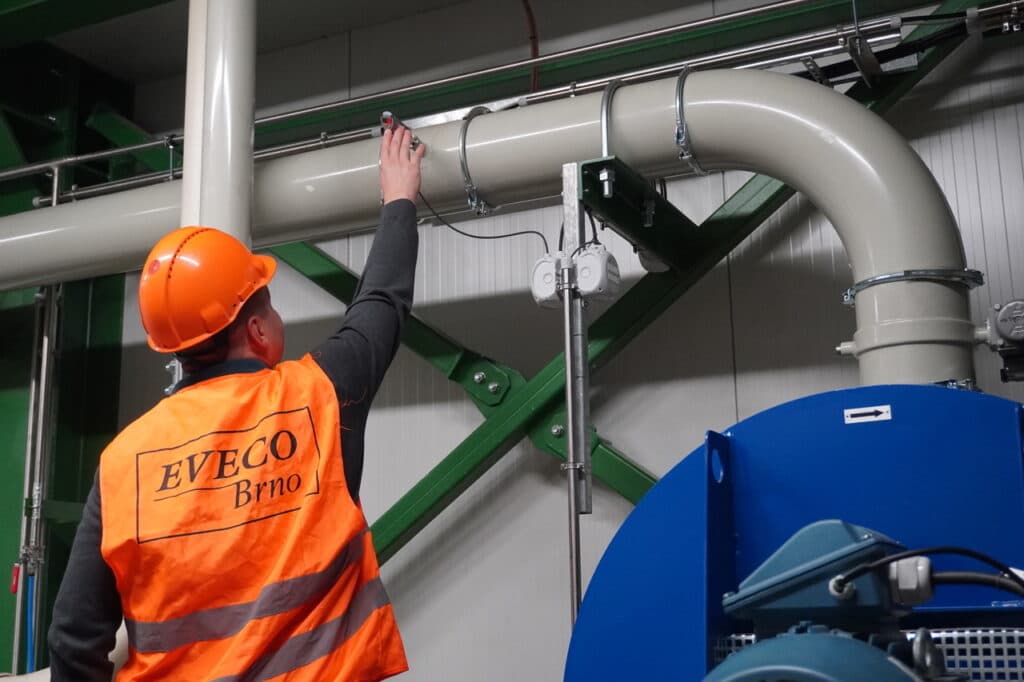
From the perspective of someone who has worked in flue gas cleaning technologies for more than three decades, current developments in the energy sector are truly fundamental. It is no longer simply about meeting emission limits as an add-on to the main technological process. Today, we are talking about a complex part of a facility that is as technologically important as combustion itself or the generation of heat and electricity. And as legislation progresses, its role is becoming even more pronounced.
What used to be merely “desulphurisation and ash separation” is now an integrated system involving reagent dosing control, multi-stage separation of particulate and gaseous components, measurement, evaluation and subsequent reporting. Flue gas cleaning today is not just about meeting a limit – it is a prerequisite for a facility to operate safely over the long term.
Waste-to-energy facilities as a development hub
Waste-to-energy facilities can now be considered the most complex sources in terms of flue gas cleaning.
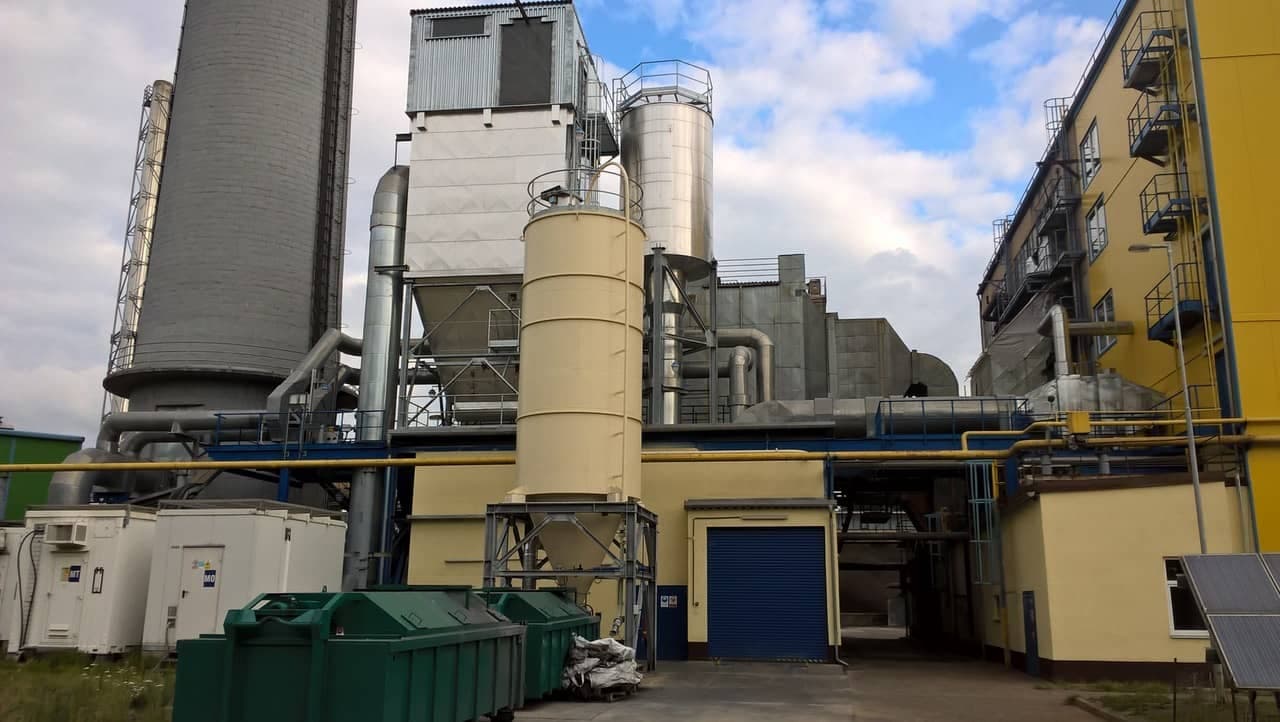
“Incineration plants simultaneously face the strictest emission limits and the highest operational variability. The fuel is non-uniform, loads vary over time, and operations must remain stable for 8,000 hours or more a year. All this while monitoring a broad range of substances – from nitrogen oxides, sulphur dioxide, particulate matter and acid gases to dioxins, heavy metals and organic pollutants,” says Tomáš Krejčí, CEO of EVECO Brno, describing practical experience.
In practice, this means that a single facility must handle several technological steps at once – sorbent dosing, solid-particle separation, acid gas neutralisation, dioxin filtration and denitrification – all in the precise sequence and linked to regulation and control systems.
Source: ORGREZ Group
It is at these facilities that the teams at EVECO Brno and ORGREZ, part of ORGREZ Group, have gained the greatest amount of practical experience, which can be transferred further afield. Incineration plants today represent the technological pinnacle of the field, but their principles – particularly the interplay between individual stages, parameter control and long-term efficiency management – also apply very well to smaller, more conventional sources.
What is no longer sufficient for biomass plants
Many biomass boiler plants in the Czech Republic were designed at a time when an electrostatic precipitator and a simple sorption stage were sufficient. With growing requirements for separation efficiency, and above all tighter requirements for operational stability and downstream technologies, these solutions are now proving inadequate.
“Electrostatic precipitators very often fail to capture fine dust and residual substances, which then penetrate the denitrification stages and significantly shorten catalyst life,” explains Tomáš Krejčí.
In the biomass sector, sulphur oxide concentrations tend to be relatively low, and their impact is therefore sometimes underestimated. “For SCR technology, however, it is not only the emission limit that matters, but specifically the concentration in syngas or flue gas, which affects the catalytic layer. Catalyst sulphation, even at SO₂ concentrations far below legislative limits, can substantially reduce the efficiency of the entire system and result in unplanned operating costs,” adds Vojtěch Vavřička, Director of ORGREZ’s Environmental Systems Division.
Source: ORGREZ Group
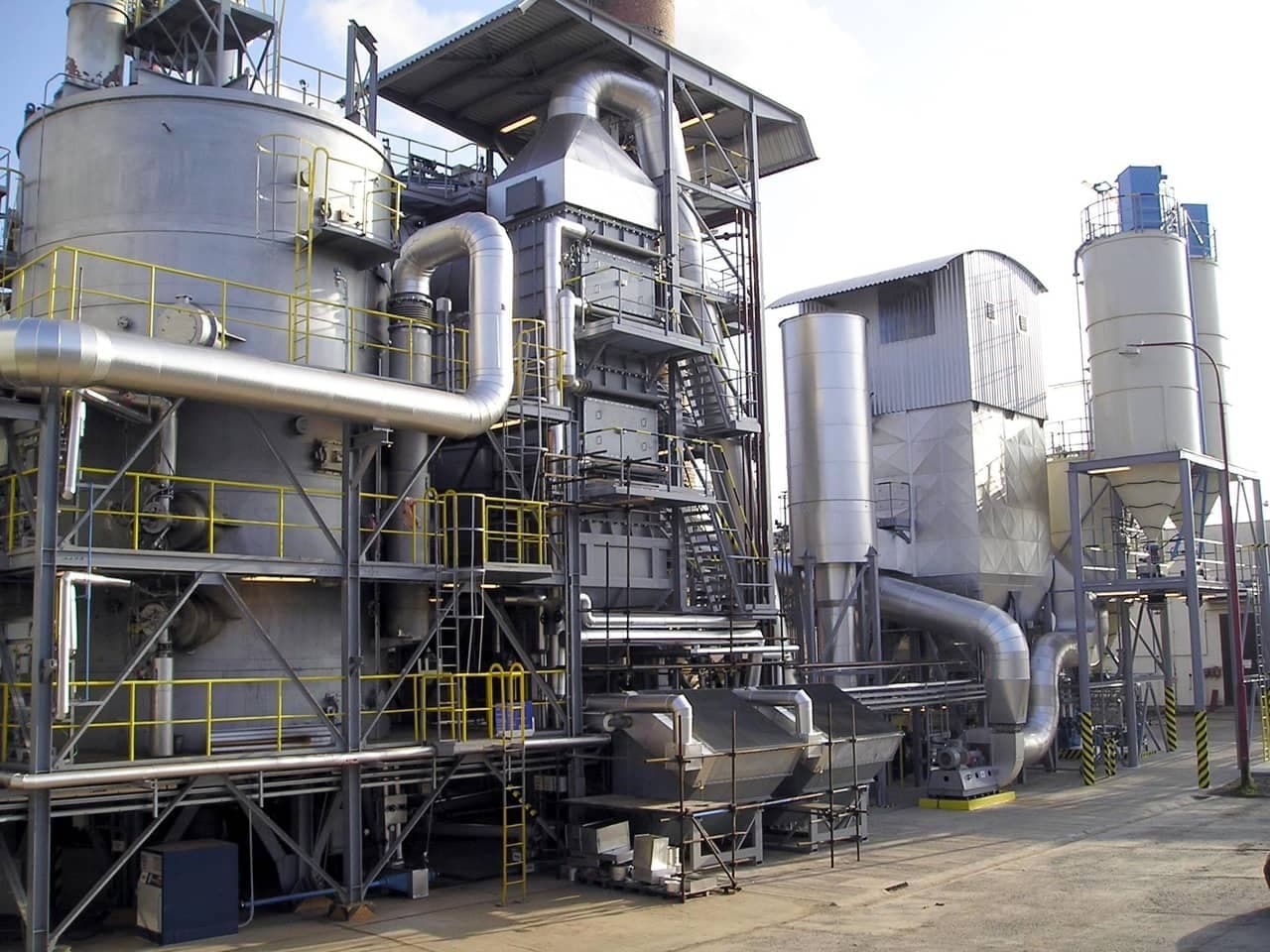
In such cases, the entire solution needs to be rebuilt. Instead of an electrostatic precipitator, EVECO experts propose installing a fabric filter with the option of dosing reactive sorbents.
“Before SCR, we typically include a stage for pre-cleaning flue gas of acid components, usually based on sodium bicarbonate or calcium hydroxide. However, if this is not possible, for example due to space constraints or the boiler’s existing technical design, SCR can also be applied in a high-dust configuration. ORGREZ has unique experience in this area, with a proven reference project as the only company in the Czech Republic and, we dare say, also in Central and Eastern Europe,” Vojtěch Vavřička clarifies.
For smaller capacities, or where operating regimes do not permit the use of SCR, ORGREZ experts implement SNCR technology. In many cases, they also supplement the system with flue gas heat recovery – not only to increase efficiency, but also to optimise temperature conditions for downstream stages.
Cogeneration: small sources, but not without problems
In the case of cogeneration units, it can be misleading to assume that they are technologically simple, low-demand sources. The reality is different. Especially where gas-fired units burn biogas or natural gas, strict limits now apply to NOₓ, CO and formaldehyde. These facilities also tend to have limited space, variable operation and demanding requirements for ease of use.
The practical solution is to use compact SCR systems, often supplied in modular or containerised designs, with fully automated control and connections to operational SCADA systems. The system must be robust while also sufficiently responsive to maintain efficiency during frequent start-ups and shutdowns.
“We design such systems in close cooperation with specialists from the Environmental Systems Division of our sister company ORGREZ, who specialise in denitrification optimisation, including measurement, commissioning and the provision of guarantees. This cooperation is key today – it enables us to maintain not only emission limits, but above all long-term operational stability,” says Tomáš Krejčí, CEO of EVECO Brno, describing cooperation within the group.
Combined-cycle plants: a special case with high requirements
Combined-cycle gas power plants are characterised by high efficiency, but also by highly specific flue gas temperature conditions, which can exceed the limits for standard catalysts. In these applications, ORGREZ Group uses high-temperature SCR reactors with suitable catalysts and precise reagent dosing control. Thorough coordination with turbine and HRSG boiler operating regimes is required, because load changes affect not only the composition but also the volumetric flows and temperature profile of the flue gas. The design of such systems cannot be separated from the facility’s overall energy balance, control strategy and operating needs.
“Besides the SCR reactor, CO emissions are another factor – in both OCGT and CCGT plants. There are several possible arrangements of catalytic layers for individual cases, meaning that every DeNOx or DeCO technology is tailor-made,” adds Vojtěch Vavřička.
Industry, VOCs and the role of chemical plants
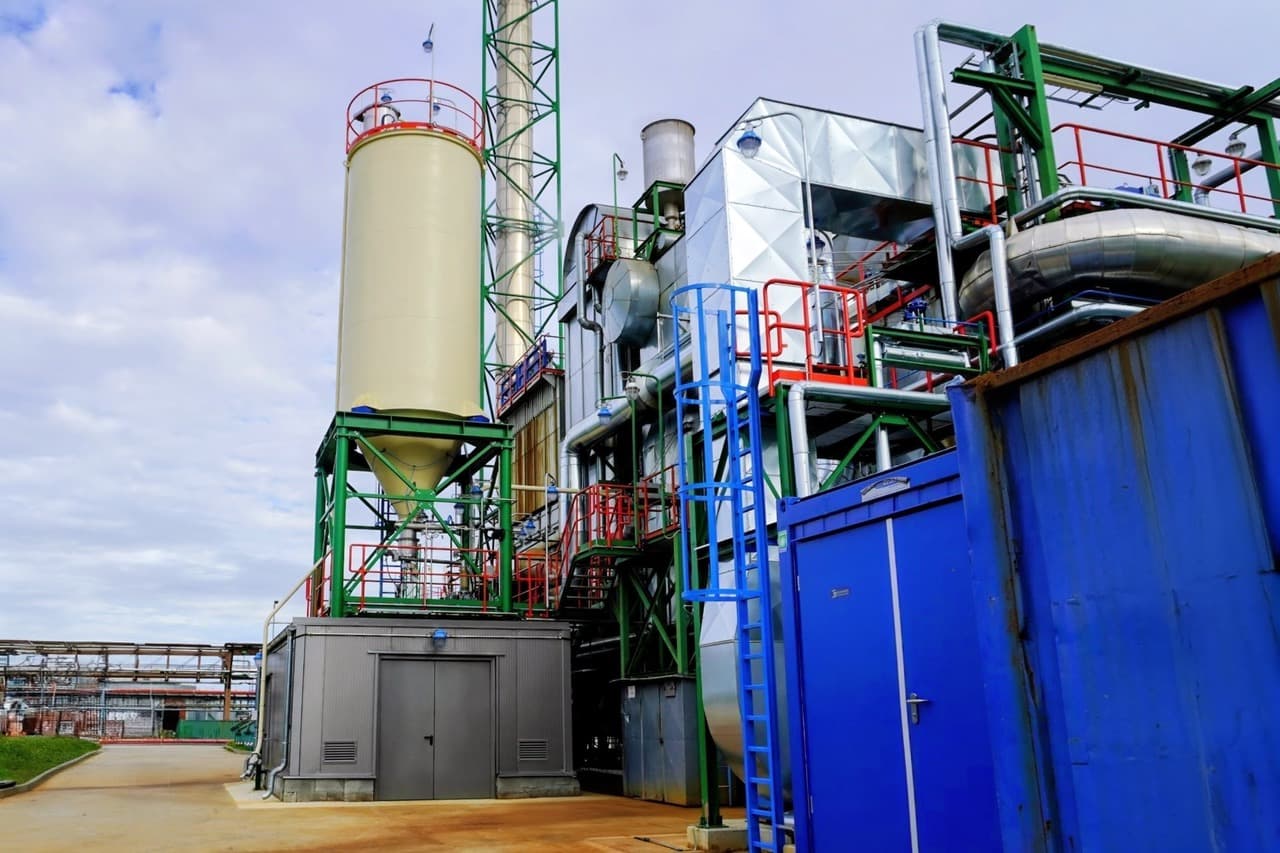
Beyond conventional energy, the importance of applications in the chemical industry is growing, with the main focus on volatile organic compounds and nitrogen oxides. Significant loads arise from process reactors, dryers, and storage and evaporation processes.
“In these cases, we implement thermal or regenerative oxidisers (RTO, RCO), which enable the effective destruction of VOCs even under variable loads. This is often followed at the outlet by SNCR or SCR, depending on the specific temperature profile and NOₓ requirements,” explains Tomáš Krejčí.
The advantage of these applications is the possibility of integrating waste heat back into the production process. These systems may not be as visible at first sight as a boiler or turbine, but in terms of the complexity of control, diagnostics and operational importance, they are equally significant.
Source: ORGREZ Group
What does this mean?
From the perspective of design, operation and future legislation, it is clear that flue gas cleaning can no longer be viewed as a peripheral technology. The biggest mistake today is to rely on the assumption that “the existing system will still pass”. Many operations are functioning on the edge – whether in terms of limits or the costs they incur for reagents, maintenance and component replacements.
“Last but not least, ORGREZ operates the most extensive emissions measurement network in the Czech Republic. This live data is subsequently processed in accordance with legislation. We use the EisNet system for this, which provides outputs not only from emissions measurements, but also contains information on reagent consumption, volumes of wastewater, fly ash and so on,” says Vojtěch Vavřička, presenting another of the company’s services.
EisNet software is fully compatible with the API required by legislation, making it a comprehensive tool for operators of power plants, heating plants and industrial facilities. It automatically eases clients’ reporting and record-keeping obligations towards authorities 24/7/365.
“CEMS data can also be used further, rather than ending up in a data graveyard. If a client is interested, we can use it at our data excellence centre for subsequent optimisation of industrial and district heating operations,” Vavřička adds.
Experience shows that an effective system must be designed comprehensively – not simply according to a table of limits, but taking account of the entire technological interconnection, flue gas chemical composition, operating regimes, costs and servicing. It is important to design a system with scope for expansion, awareness of legislative developments and a realistic view of operational reality.
Flue gas cleaning technology now determines whether a source will be competitive, economically sustainable and compliant with legislation – not only in 2025, but also in 2030 and beyond.
Translation disclaimer
This article is a machine translation of the Czech original and has not yet been fully reviewed. In case of any doubt, please refer to the Czech version.
Sdílejte článek prostřednictvím:
You might also like
24 September 2026, 11:23
24 September 2026, 10:30
24 September 2026, 06:56