10 September 2026, 15:21
Loading...
Green Deal for Europe in Czechia
Beáta Packová
6 July 2020, 13:42
The European Union has adopted the Green Deal for Europe document. Czech society is divided over it. Environmental activists see it as a saving tool, while Czech politicians tend to view it sceptically. The Czech Republic, together with the V4 countries, is taking a rather stubborn stance against the European Union's “dictate”. They do not want to adopt the Green Deal unequivocally: one part of the government rejects it, while the other accepts it, but under certain conditions.
This issue, too, has been affected by the COVID-19 pandemic – the coronavirus put passionate debates over the best solution to save our planet on hold. On the other hand, the pandemic has revived some issues relating to our future.
What would the Green Deal actually bring for us, the public? Let us outline its most controversial points.
A carbon-free future
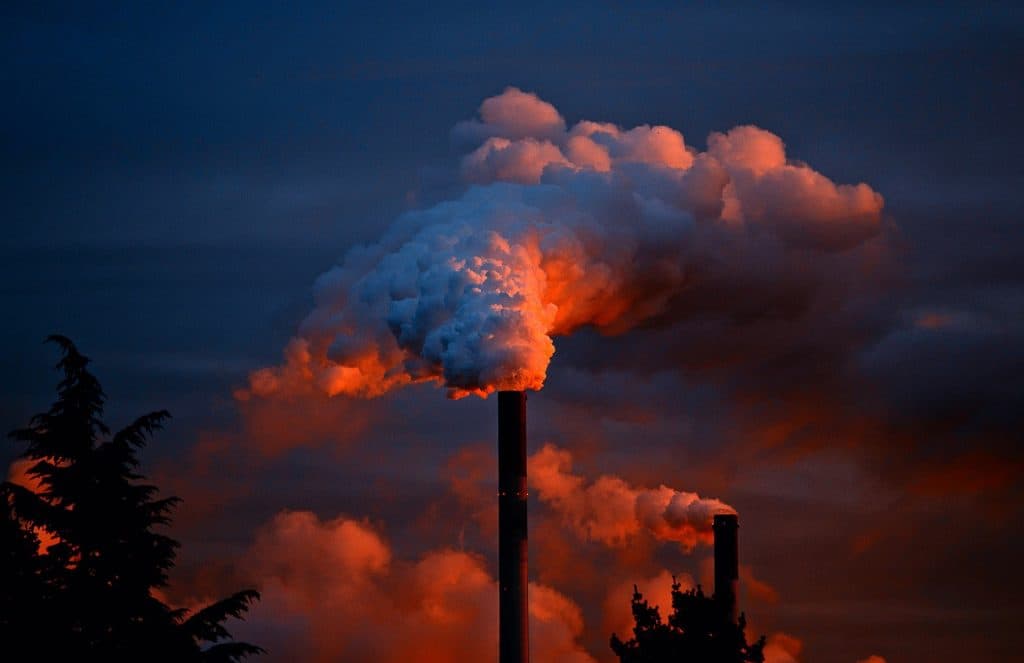
The most widely discussed issue is clearly the reduction of greenhouse gas emissions. Through its Climate Law, the European Union wants to achieve climate neutrality by 2050. By 2030, this would mean cutting emissions by up to 50 % (although a 65 % target is also being discussed).
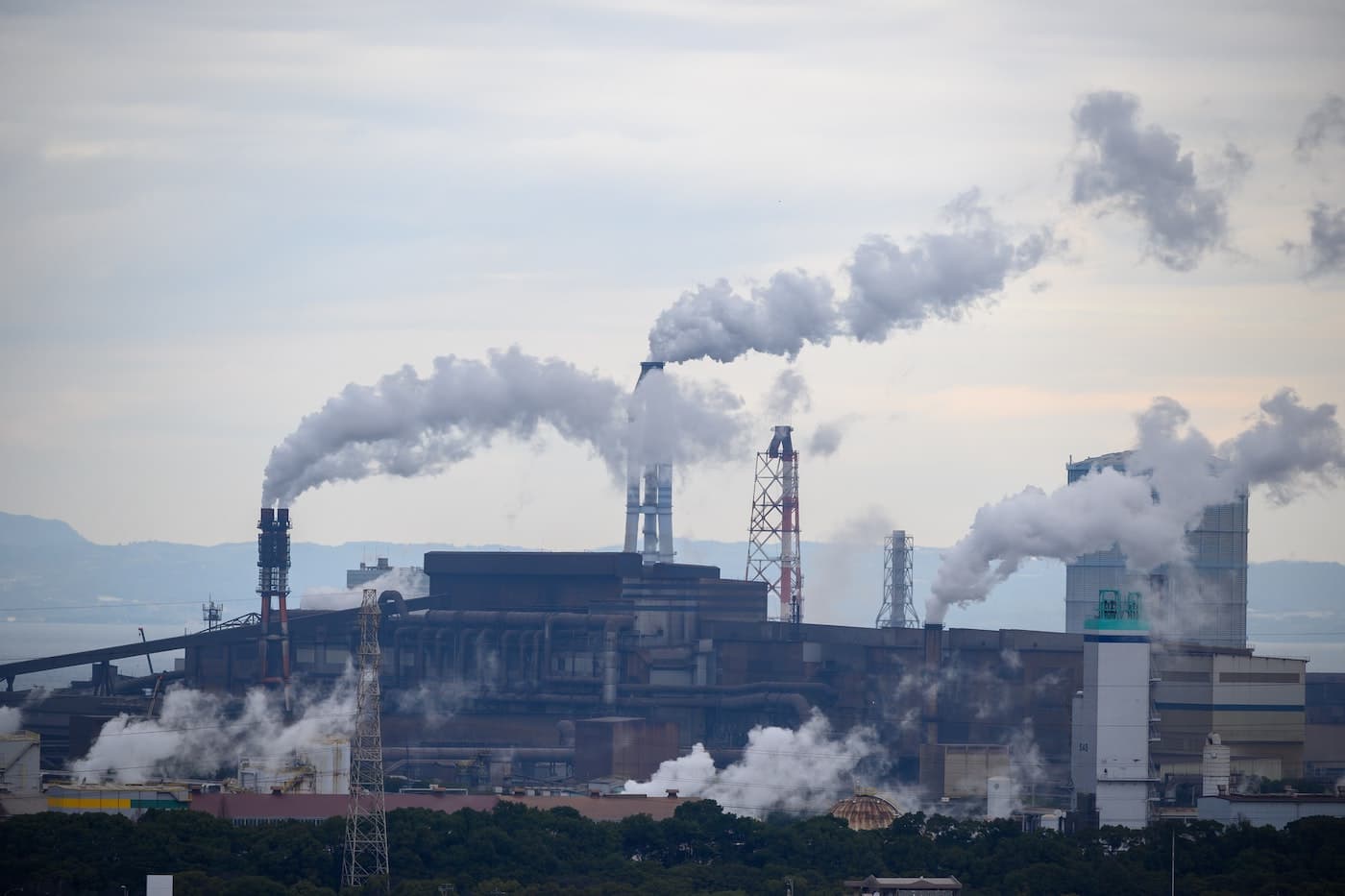
This trend had already begun and was being discussed before the outbreak of the coronavirus pandemic. Germany and other countries decided to gradually phase out coal-fired power plants. It should be noted that the Czech Republic is also gradually reducing its “coal” activities and focusing more on nuclear sources.
Further plans to reduce emissions aim to base the energy sector on renewable sources and create a fully interconnected and digitalised energy market across the Union. This brings us to the issue of price. The EU wants to ensure affordable energy supplies for all of Europe while strengthening cooperation between individual states, including at regional level.
Circular economy
Lower emissions would transform the economy. The Czech Republic is one of Europe's most industrialised countries and would have to reorient itself towards other sectors, which would be rather drastic.
The Green Deal also aims to change the hierarchy of values. It places particular emphasis on sustainability and consideration. It would involve a full economic transformation more aligned with the needs of the climate; this is a rather unrealistic requirement to implement.
Both because of the crisis caused by the coronavirus and in terms of global competitiveness. The European economy plays second fiddle, and the question is whether transforming the economy at the expense of its own dependence is worthwhile?
Transport, sustainability and more
Rather than on construction, individual countries should focus on renovating buildings to make them more resilient to climate change. At the same time, the EU is seeking to boost the use of rail transport, electric vehicles and an overall reduction in fossil fuel consumption. This would represent a transition to so-called sustainable mobility. Maritime and air transport would then be included in charges for emissions produced.
Other plans include cleaner agriculture, the so-called farm-to-fork strategy. There is also a focus on research and innovation in the climate field, and an emphasis on gradually achieving zero pollution. All points are available on the European Commission's website.
Can the Green Deal for Europe be fulfilled?
The question remains how successful its implementation will be. The main idea behind the Green Deal is not bad, and it should be noted that although the Czech Republic appears to oppose the agreement, it is already meeting many of its provisions.
Nevertheless, rapid implementation, meaning by 2050, appears impossible. Under the current circumstances, many countries will have their hands full repaying their debts and getting their economies moving.
Moreover, all the measures promoted by the Green Deal will cost a great deal of money. Where will the money come from when many countries are in crisis? Another point is that working to improve the climate makes sense, but the whole world must get involved. Europe does not account for as large a share of emissions as other countries, such as the US or China, which are taking a rather reluctant approach to the fight for a better climate.
Whether the Green Deal will truly get the green light is therefore a question for the future.
Translation disclaimer
This article is a machine translation of the Czech original and has not yet been fully reviewed. In case of any doubt, please refer to the Czech version.
Sdílejte článek prostřednictvím:
You might also like
10 September 2026, 10:37
9 September 2026, 15:05
9 September 2026, 13:24