9 October 2026, 06:22
Loading...
Hazardous substance emissions from Czech coal power plants higher than two years ago
Ekonews.cz
6 November 2023, 15:20

The biggest polluters in Czechia last year were coal power plants. In addition to emissions of carbon dioxide and other greenhouse gases, they are responsible for the largest amount of toxic heavy metals released into the air, including mercury.
The top positions in the 2022 polluters’ ranking are occupied mainly by facilities in the Ústí nad Labem, Pardubice, Central Bohemia and Moravia-Silesia regions. The most significant can be considered the Chvaletice lignite power plant, owned by Sev.En Energy, which is controlled by billionaire Pavel Tykač. It is followed by Spolana Neratovice and the Počerady power plant. Experts also consider the increase in dioxins released by the municipal waste incinerator in Liberec to be surprising.
According to data from the Integrated Pollution Register, the total amount of most harmful substances released into the environment fell slightly. The bad news, however, is that it remained at a higher level than in the 2020 reporting year.
Granted exemptions worsened the situation
The Chvaletice power plant released more than twice as much arsenic and 70 percent more mercury into the air than in the previous year, making it the largest source of these two substances in Czechia. “We could celebrate the decline in reported emissions of toxic substances from industrial facilities this year, but it would have to be much more significant. For that to happen, however, state institutions would have to take much stronger action against sources of toxic substances such as the Chvaletice power plant,” says Jindřich Petrlík, head of the Toxic Substances and Waste programme at the Arnika association.
The Chvaletice power plant continues to pollute under exemptions approved by the Ministry of the Environment during the tenure of minister Richard Brabec (ANO) and the government of former prime minister Andrej Babiš. There were eleven mercury-related exemptions, for example. “Without the exemption, its mercury emissions would be several times lower. The same applies to arsenic, which is increasing because the power plant is now burning lower-quality coal from the Vršany mine instead of the ČSA mine,” Petrlík adds.
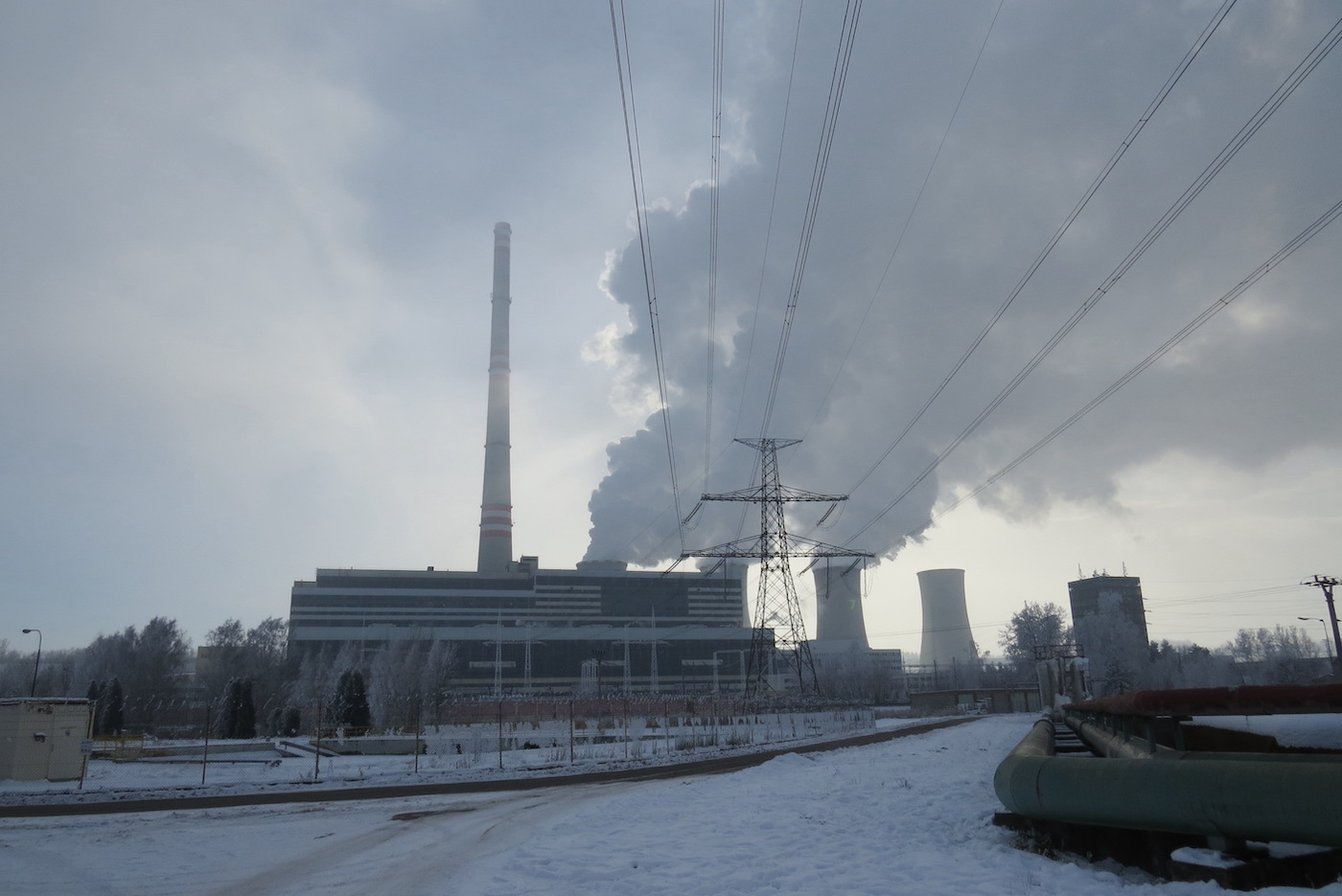
Chvaletice power plant. Source: Elektrárna Chvaletice a.s.
Industry also releases a number of pollutants that are not monitored at all, such as poly- and perfluoroalkyl substances, or PFAS, and brominated dioxins. “The list of substances monitored and reported to the Integrated Pollution Register is twenty years old and needs to be reviewed and expanded. We therefore welcome the prospect that PFAS, which can significantly pollute water, will soon be added to it, and that the reporting threshold for cyanides in waste will be tightened,” Petrlík adds.
Chvaletice’s greening is misleading advertising
Nine of the ten largest sources of mercury emissions into the air are coal power plants and heating plants (in first through ninth place). The Chvaletice power plant ranks first, followed by the Počerady power plant (both owned by Sev.En Energy) and the Prunéřov and Ledvice power plants (both owned by ČEZ). Had the four largest polluters complied in 2022 with the emission limit in force since August 2021, they would have released 60 percent less of this toxic substance. The heating plant operated by Plzeňská teplárenská came fifth. Sixth is ČEZ’s Tušimice power plant, which was already meeting the limit on two units in 2022 and nearly meeting it on two more, reducing its mercury emissions by 62 percent compared with 2021. Liberty Ostrava steelworks took tenth place.
“As with several other harmful substances, the Chvaletice power plant of billionaire Pavel Tykač’s Sev.En Energy group came first after releasing 70 percent more of this toxic substance than in the previous year. It shows that the proclaimed greening of this power plant is nothing more than misleading advertising. Meanwhile, Czech electricity exports in 2022 were three times Chvaletice’s output, so this excessively polluting power plant is not needed at all to secure energy supplies for Czech consumers, believes Jiří Koželouh, energy expert at Hnutí Duha.
Spolana Neratovice transferred almost seven tonnes of mercury in waste last year. While this was ten times less than in the previous year, it shows that the company is still dealing with the legacy of chlorine production using mercury, which took place there for several decades. Mercury-cell electrolysis for chlorine production, the largest source of mercury, ended at Spolana in 2017, but the company was still disposing of mercury-containing waste from this production last year.
The total amount of dioxins in reports to the Integrated Pollution Register rose year on year, mainly due to increases at several waste incinerators, specifically Termizo Liberec and three hazardous-waste incinerators operated by Suez CZ (now Recovera, part of the Veolia group). Although Třinecké železárny reduced the amount of dioxins in its waste year on year, it remained first in the ranking. Dangerous practices at waste incinerators and metallurgical facilities include efforts to recycle dioxin-containing waste into various construction materials. This issue is addressed in a new study by the Arnika movement, “Waste incinerators and the environment”.
For dust, head to the Ústí region
Six of the ten largest sources of greenhouse gases are coal power plants. The Počerady power plant came first and the Chvaletice power plant second. Alongside power plants, the top ten include Liberty steelworks, Orlen group chemical company Unipetrol, Třinecké železárny and Mondi Štětí paper mill. Greenhouse gas emissions increased most year on year at the Počerady and Chvaletice power plants, by more than 700 thousand tonnes at Počerady and by more than 1.1 million tonnes per year at Chvaletice. Overall, however, the amount of reported greenhouse gases fell slightly.
“The reduction in greenhouse gas emissions is unfortunately still negligible in Czechia. Hardly any new clean energy sources are being built, while a fleet of outdated coal power plants remains in operation, with the two largest – Chvaletice and Počerady – significantly increasing their output last year. It is peculiar that in recent weeks and months, a number of state institutions – the Railway Administration, the Office of the President of the Republic, and the ministries of labour and social affairs, culture and defence – have chosen the operators of these coal power plants as their electricity suppliers, thereby directly supporting air pollution and the deepening climate crisis. The state should set an example in this area, but it is failing to do so, says Lukáš Hrábek, spokesperson for Greenpeace Czech Republic.
Dust emissions in Czechia are steadily declining, but not at all companies. The record holder in this category is Liberty Ostrava steelworks, which reduced its dust emissions year on year but remained in first place. Other significant sources of particulate matter emissions include the Počerady, Chvaletice, Prunéřov, Mělník and Ledvice coal power plants. Four of the most significant dust polluters operate in the Ústí nad Labem region. The Chvaletice power plant increased its dust emissions by more than 40 tonnes.
Toxic heavy metals are a new category
Saint-Gobain Adfors CZ in Litomyšl can be described as the year’s negative standout in terms of the increase in carcinogenic substances, as it increased the amount of formaldehyde released into the air more than sixfold year on year. Ahead of it was Spolana Neratovice, which released almost the same amount of trichloroethylene and a slightly lower amount of vinyl chloride than in the preceding year.
Cemex Prachovice cement plant, last year’s standout, came fifth, releasing nearly 2.5 tonnes less benzene into the air than in the previous year. Besides benzene, however, it also newly released a considerable amount of styrene (a potential carcinogen, editor’s note).
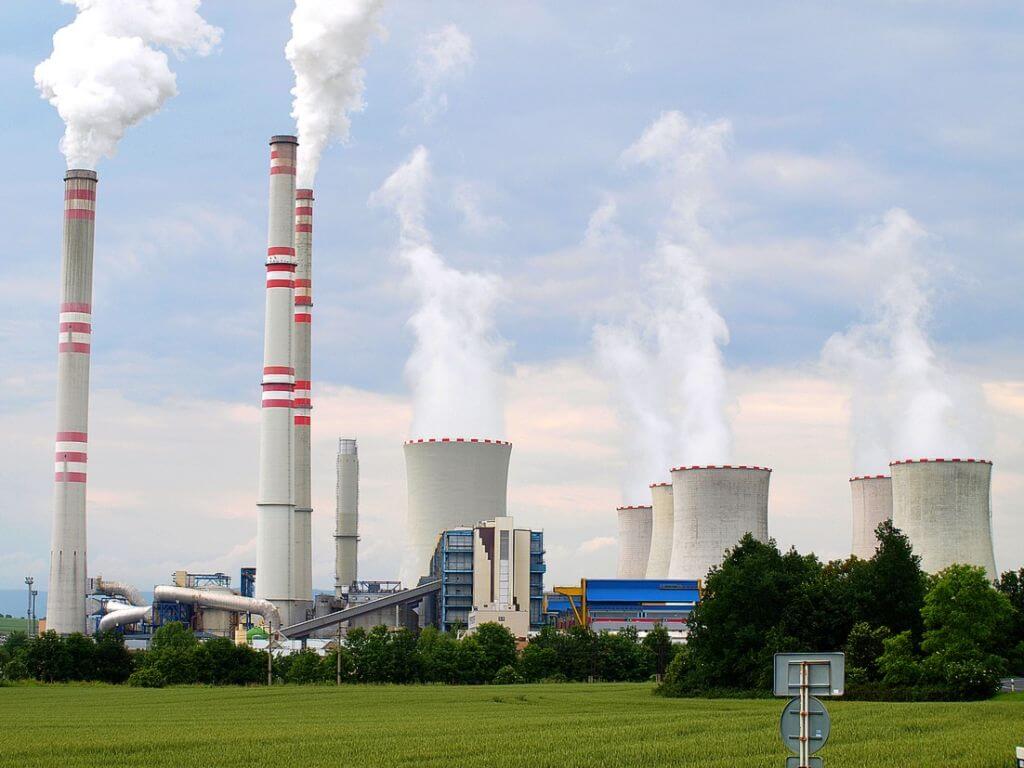
Počerady power plant. Source: ČEZ
New this year is a ranking of the largest polluters by toxic heavy metals, specifically cadmium, lead, mercury, nickel and arsenic. The Chvaletice power plant leads this table by a wide margin, having increased its arsenic emissions year on year by nearly 3.5 tonnes – more than it released into the air in the previous year (2.1 tonnes). Four wastewater treatment plants made the top ten ranking due to heavy metal emissions, but they cannot compete with the four coal power plants in terms of the amount of heavy metals released. The top ten also includes two metallurgical facilities – Liberty Ostrava and Třinecké železárny.
The Arnika association has compiled the polluters’ rankings for nineteen years, based on publicly available data in the Integrated Pollution Register maintained by the Ministry of the Environment. Facilities are legally required to report releases and transfers of hazardous substances themselves.
Republished from EkoNews.cz, a website covering business and sustainability.
Translation disclaimer
This article is a machine translation of the Czech original and has not yet been fully reviewed. In case of any doubt, please refer to the Czech version.
Sdílejte článek prostřednictvím:
You might also like
8 October 2026, 10:05