25 September 2026, 09:51
Loading...
EU nuclear dispute reaches a climax. Will it have the same privileges as wind and solar plants?

Martin Voříšek
28 March 2023, 10:27
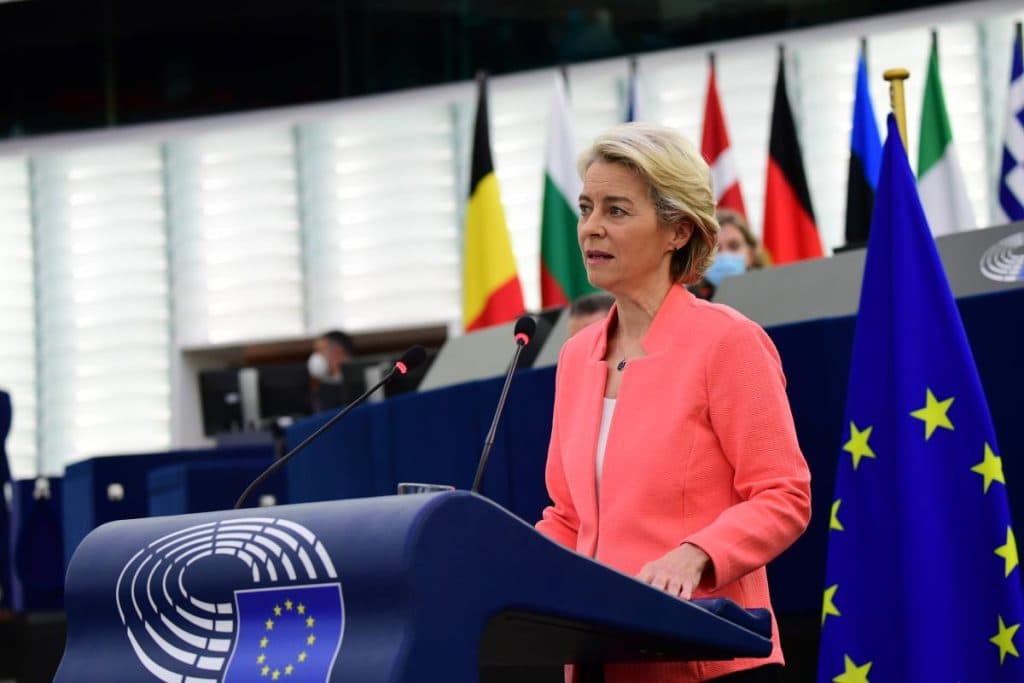
The European Union is addressing a dispute over how nuclear energy’s contribution to achieving climate targets will be reflected in several upcoming pieces of legislation. The dispute, between traditionally pro-nuclear and anti-nuclear EU member states, is due to be finally resolved this week. Its outcome could determine not only the fate of pink hydrogen, but also nuclear financing in the EU.
Political negotiations on the EU’s future approach to nuclear energy are reaching a climax at EU level. In recent days, the main discussion has focused on whether hydrogen produced using electricity from nuclear power plants will be considered equivalent to green hydrogen. Green hydrogen is hydrogen produced using electricity from renewable sources, such as wind or solar power plants.
However, the dispute is even broader: pro-nuclear countries, including the Czech Republic, are calling for the broadest possible recognition of nuclear technologies as technologies that help achieve climate targets. That is, in a similar way to renewable energy sources, led by wind and solar power plants.
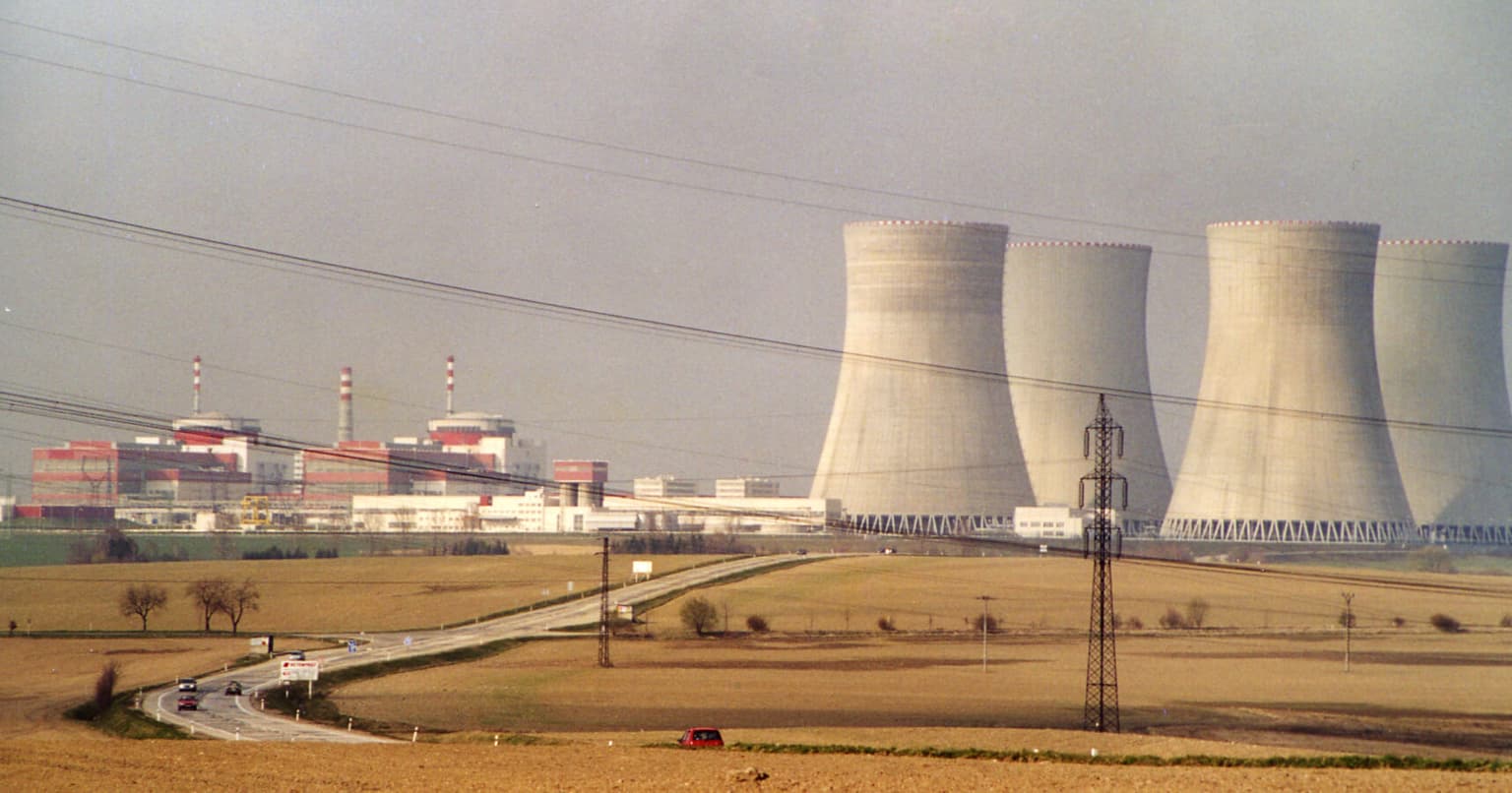
Temelín Nuclear Power Plant, Source: ČEZ
If nuclear technologies were equivalent to renewable sources, they could become eligible for funding from EU resources. This view is held, for example, by Poland, which plans to build up to six nuclear units on its territory.
Nuclear power plants “should definitely have the same status [as solar and wind power plants], because we do not have technology to store energy from renewable sources,” Polish Prime Minister Mateusz Morawiecki told the Financial Times.
France is the member state pushing for the broadest possible recognition of nuclear technologies as a means of achieving climate targets. This is a key issue for France: not only does it have 56 nuclear reactors in operation, but it is also placing major bets on nuclear technologies in the future.
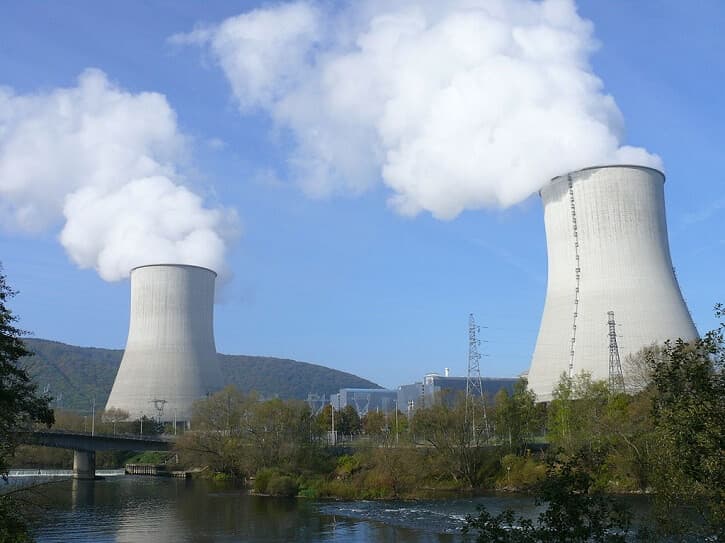
Chooz Nuclear Power Plant. Author: MOSSOT @Wikimedia Commons
France is supported in its efforts for greater recognition of nuclear energy by countries such as Romania, Poland, Hungary and the Czech Republic.
Germany, Spain, Denmark, Portugal and Luxembourg are opposed. These countries argue that including nuclear energy in renewable energy targets would ultimately mean that insufficient attention would be paid to the development of other renewable sources.
“I think we will find an agreement; we are in the process of seeking an agreement on hydrogen and other issues in order to preserve technological neutrality,” Macron said.
The outcome of the negotiations is likely to be some form of compromise between the two positions. The European Commission also takes a compromise-based approach to nuclear energy. An example of such a compromise may be the proposal for the Net-Zero Industry Act.
While the Net-Zero Industry Act plans to support innovative nuclear technologies, this support would only be limited in scope. Such innovative technologies include, for example, small modular reactors. Wind and solar power plants, by contrast, could receive the benefits in full.
Translation disclaimer
This article is a machine translation of the Czech original and has not yet been fully reviewed. In case of any doubt, please refer to the Czech version.
Sdílejte článek prostřednictvím:
You might also like
24 September 2026, 11:23
24 September 2026, 10:30
24 September 2026, 06:56