25 September 2026, 09:51
Loading...
Mass withdrawal from energy investment treaty not imminent, member states say

Martin Voříšek
20 October 2022, 06:45

The Netherlands has announced that it will withdraw from the Energy Charter Treaty, which protects energy investments against unexpected state intervention. Following Spain and Poland, it is thus another country that has recently decided to leave the treaty.
The Energy Charter Treaty is no longer fit for the transition from fossil fuels to renewables, set in motion by the 2015 Paris conference and the so-called Paris Agreement. At least, this is suggested by the recent moves by Spain, Poland and the Netherlands, which have decided to withdraw from the treaty.
The Energy Charter Treaty is an international agreement that creates a legal framework for cross-border cooperation in the energy sector, primarily in fossil fuels. The treaty covers all aspects of commercial energy activities, including trade, transit, investment and energy efficiency. It includes procedures for resolving disputes both between states that are parties to the treaty (with other states) and between states and investors from other countries that have invested in the territory of the former.
In recent years, partly due to rapid developments in the energy sector and the transition to renewables, the treaty has become outdated, according to these countries. It is primarily used by companies in both the fossil fuel and renewable energy sectors to sue governments over regulatory changes that threaten the returns on specific investments.
Discussions on renegotiating the treaty to reflect the current state of the energy sector have not helped either. Negotiations on a new version of the treaty did not result in the approval of a new text.
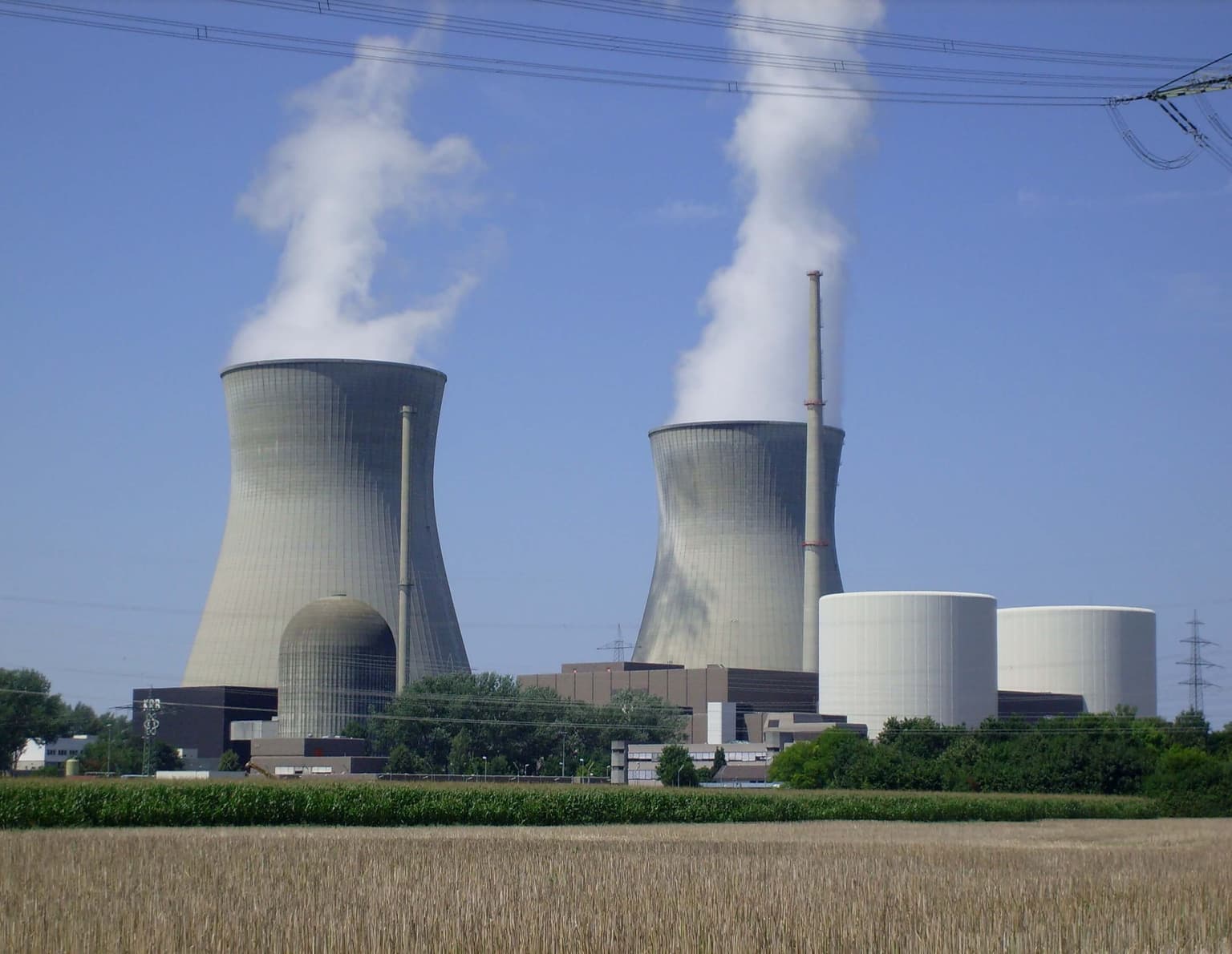
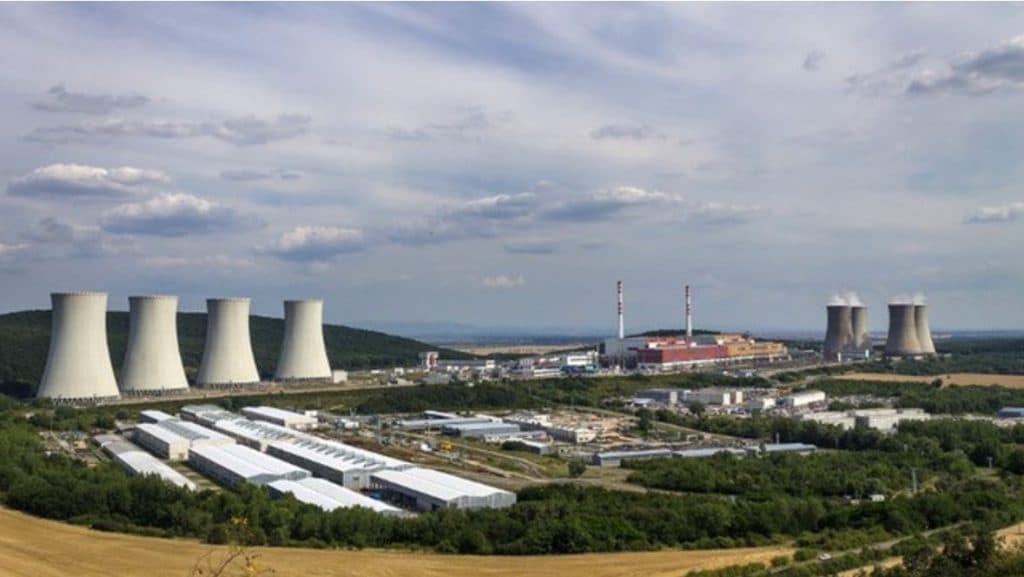
RWE's Gundremmingen nuclear power plant, now decommissioned. Source: RWE
The Netherlands' intention to withdraw from the treaty was announced by Dutch Minister for Climate and Energy Policy Rob Jetten in the country's parliament. He himself said that he would prefer the Netherlands to withdraw from the treaty together with the entire European Union, which is also a party to the treaty.
"For this reason, the Netherlands, preferably together with the entire EU, will leave the Energy Charter Treaty. The date on which the Netherlands will officially leave has yet to be determined," the spokesperson added.
The treaty concerns cross-border energy investments. It was signed by 50 countries, including all EU member states, in the late 1990s.
It was originally created to protect investments in post-Soviet countries. In recent years, however, it has become controversial because EU countries face legal action over their climate measures. For example, the Netherlands has been sued by German companies RWE and Uniper over its law to phase out coal mining. The legal dispute is still ongoing.
Italy was the first member state to withdraw from the treaty, in 2016. However, it is still engaged in arbitration over a ban on oil and gas project exploration in the Adriatic Sea.
Translation disclaimer
This article is a machine translation of the Czech original and has not yet been fully reviewed. In case of any doubt, please refer to the Czech version.
Sdílejte článek prostřednictvím:
You might also like
24 September 2026, 11:23

24 September 2026, 10:30
24 September 2026, 06:56