
28 October 2026, 15:10
Loading...
Hungary takes over from Belgium in EU presidency
Klára Čeperová
26 June 2024, 12:28
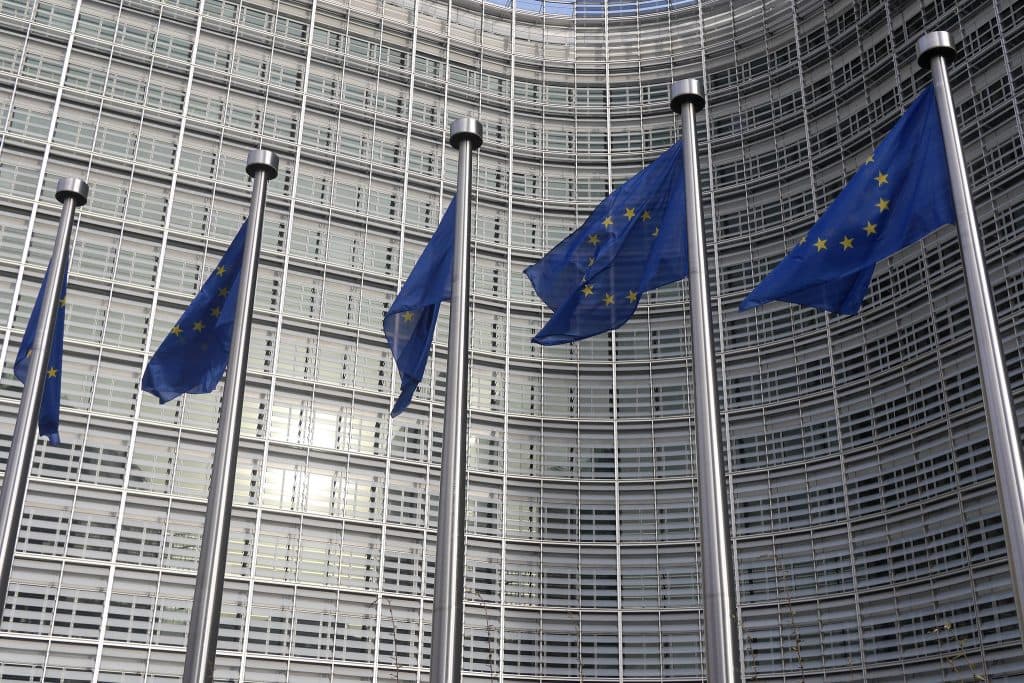
Hungary takes over the six-month presidency of the Council of the EU on 1 July. Although the Hungarians will inherit ongoing legislative files from the current Belgian presidency, this period is expected to be quieter in terms of lawmaking, Euractiv reports. This is because its presidency coincides with the end of the EU’s five-year cycle. The new European Commission is expected to take office in early autumn and will need time to set its priorities and draw up its work plans.
The Council presidency rotates among EU member states every six months. During its six-month term, the country holding the presidency chairs meetings at all levels of the Council, helping to ensure continuity in the Council’s work. Belgium is the outgoing presidency, and in the areas of energy, the environment and transport it has grappled with climate change, emissions reductions across sectors, and all of this in the context of the war in Ukraine.
The Hungarian presidency will take place in a similar context. This is due not only to the geopolitical situation, but also to the so-called Trio Presidency. The three countries holding the presidency—in this case Spain, Belgium and Hungary—draw up a joint programme to ensure a smooth transition in the Council’s work at the end of the current institutional cycle and into the next one.
In addition, each country holding the presidency draws up an indicative programme outlining the main issues it intends to address, if circumstances allow.
Energy
In the energy sector, Hungary is not expected to advance discussions on any draft legislation. Instead, it will focus on promoting geothermal energy. Hungary’s decision to put geothermal energy on the agenda came after the European Parliament and the Committee of the Regions voted almost unanimously for a European strategy on geothermal energy earlier this year.
The country also plans to discuss the 27 national energy and climate plans and the development of electricity grids.
Transport
In transport, Hungary will continue efforts to reduce emissions and plans to focus on measuring them more effectively. It will also continue addressing how to make better use of Europe’s rail infrastructure capacity, an issue already taken up by the Belgian presidency.
Environment
Hungary will seek to make progress in talks with the Parliament on proposed legislation concerning soil health, rules on “greenwashing”, water pollutants, and waste treatment and recycling.
It will also try to agree on a Council position on restricting the use of microplastics.
The controversial Nature Restoration Law was adopted at the last meeting of the Environment Council of ministers under the Belgian presidency in June.
Translation disclaimer
This article is a machine translation of the Czech original and has not yet been fully reviewed. In case of any doubt, please refer to the Czech version.
Sdílejte článek prostřednictvím:
You might also like

28 October 2026, 13:08

28 October 2026, 11:10

28 October 2026, 09:08
