28 October 2026, 15:10
Loading...
23rd Czech energy congress: Energy transition, but how...?
oEnergetice.cz
25 March 2024, 05:44
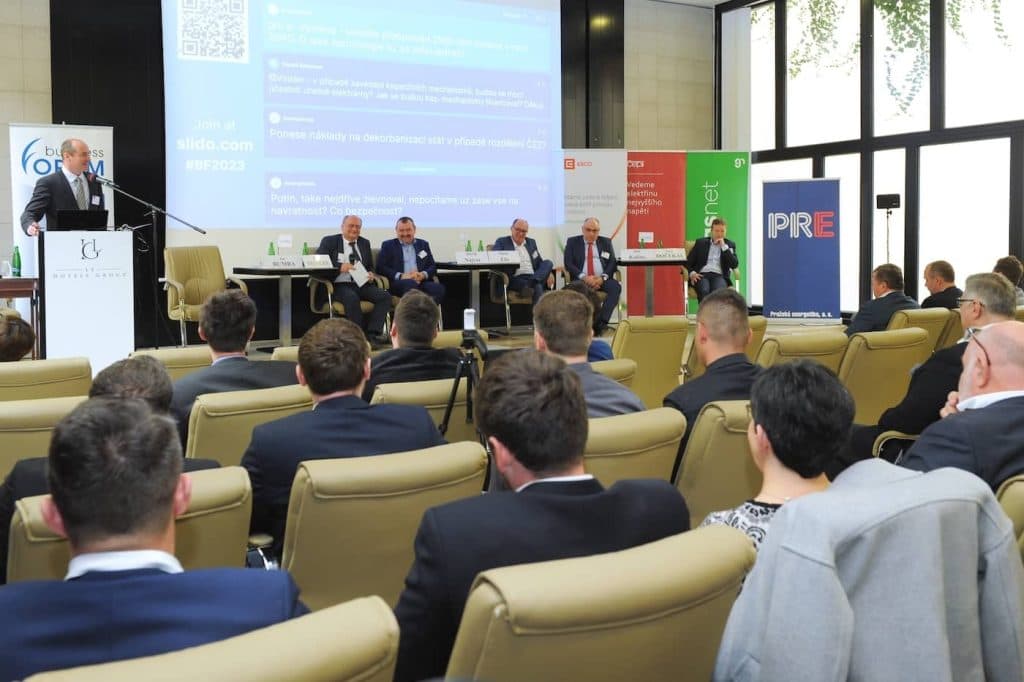
The 23rd edition of the prestigious energy congress, focusing on the ongoing energy transition, energy security, sustainability and decarbonization—driven by the visions and strategies of the EU, the state and energy companies, and to be realized through investments by 2030 and beyond, through to 2050—will take place in less than a month, on 16 April 2024, at the Grand Majestic Plaza hotel in Prague. The congress is organized by Business Forum and, as is tradition, will bring together senior executives and experts from the leading companies and institutions in the Czech energy sector.
The energy transition in Czechia is somewhat faltering. External factors such as rising geopolitical tensions around the world, the ongoing war in Ukraine and developments in the German energy sector are having a considerable impact on our energy sector. That is why the congress will open with a focus on energy security in an era of polycrisis, and we will hear from German expert Jörg Jasper, who has long been involved in German energy policy and energy economics.
We will focus on the State Energy Policy, which sets the direction for Czech energy through to 2050. However, the draft policy does not address the question of an early end to coal, already indicated for 2025 or 2026, so we will try to find an answer in a panel discussion. We will highlight the measures the state should take to ensure that ending coal-fired electricity generation does not jeopardize security of supply or the operation of the transmission system.
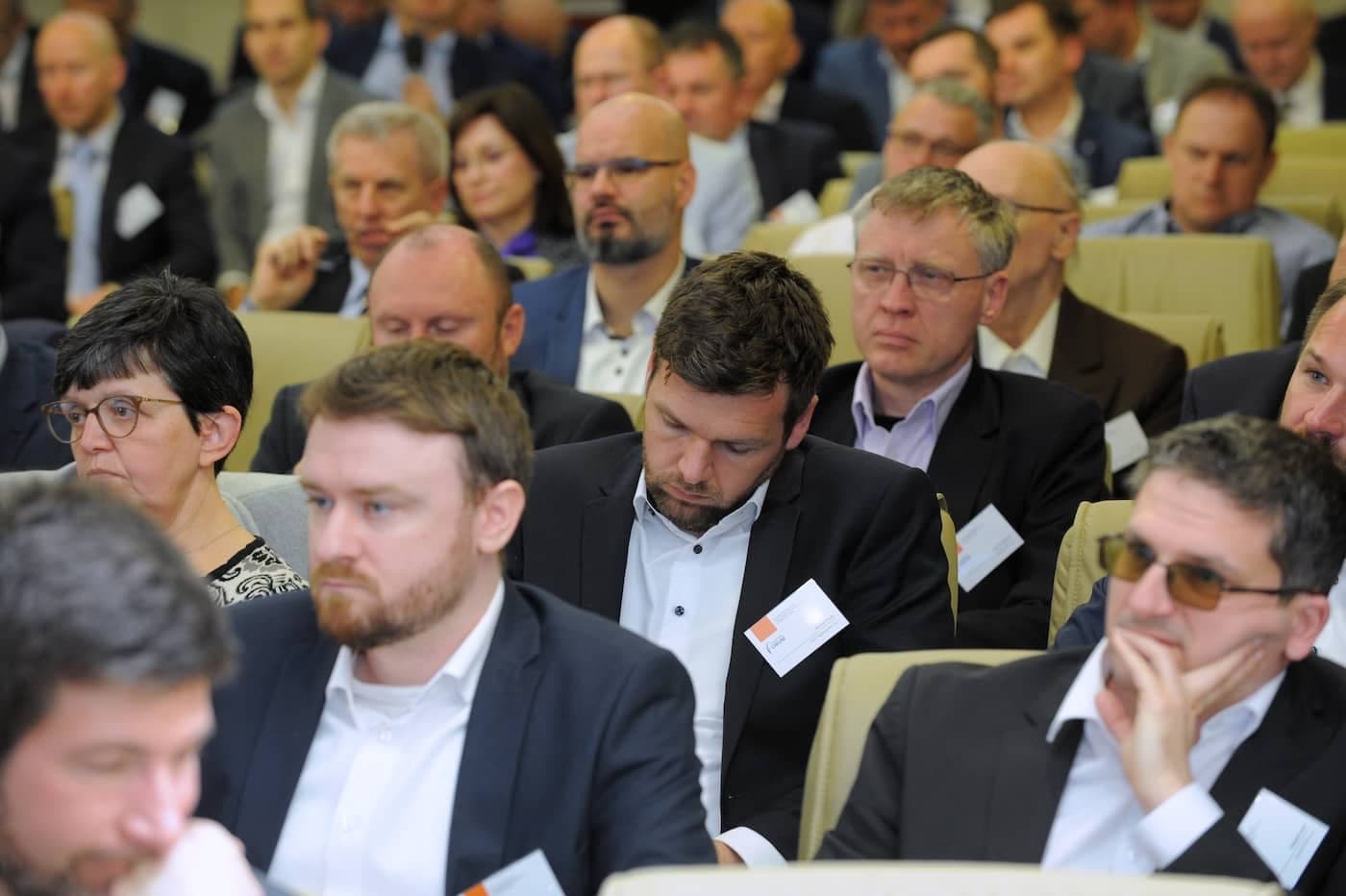
Source: Energy Congress
The transition away from coal needs to be managed in a relatively short time and requires huge investments. Investors are reluctant to commit, as the returns on investments worth billions are uncertain. The stalled process needs to be unblocked and progress made quickly, because little time remains. The gas sector will play a significant role over the next two decades, particularly because of the move away from coal. We will have to use gas to bridge a certain period and cover both electricity and heat production. The Czech district heating sector is also under enormous pressure and needs to be modernized. Burning lignite will be replaced by gas. In the afternoon session, we will ask whether gas transport routes to the Czech Republic are secured, whether long-term gas supplies to the country have been arranged, what support there is for biomethane, and whether we are underestimating hydrogen.
In the final part of the congress, three Czech distributors will brief us on the ongoing modernization of energy infrastructure. Modernizing the networks primarily means increasing their capacity, which requires huge investments. The introduction of storage, aggregation and flexibility services is being delayed in the Czech Republic, even though these services are an integral part of the energy transition. We will ask: what investments are distributors planning and what obstacles do they face; how is the preparation of EDC progressing; what is holding back the introduction of storage, aggregation and flexibility in the Czech Republic; and why does it make sense for Czech investors to invest in storage abroad?
If you want to hear the answers from leading figures in the Czech energy sector, be sure to come!
The latest congress program and registration form are available at: www.business-forum.cz
Translation disclaimer
This article is a machine translation of the Czech original and has not yet been fully reviewed. In case of any doubt, please refer to the Czech version.
Sdílejte článek prostřednictvím:
You might also like

28 October 2026, 13:08
28 October 2026, 11:10
28 October 2026, 09:08