Another German auction for biomethane and biomass disappoints

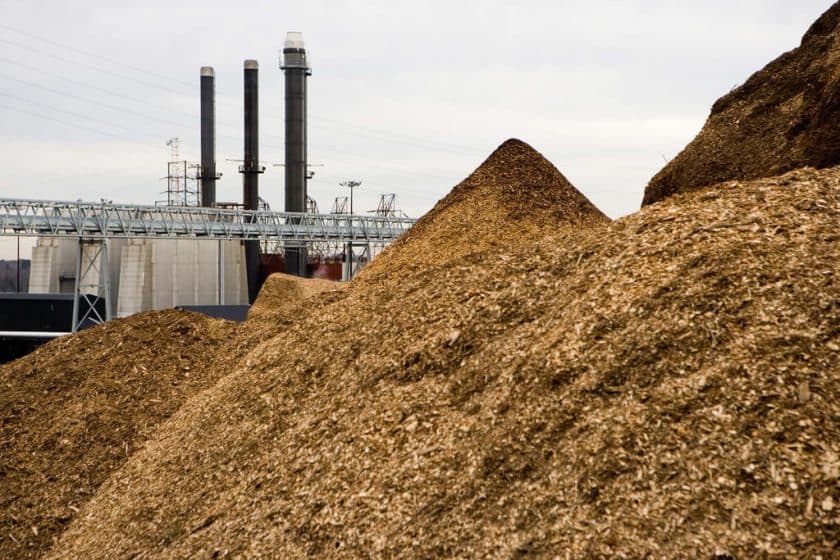
Germany continues to struggle to attract new capacity to auctions supporting electricity generation from biomass or biomethane. The first of this year’s two auction rounds for these renewable sources took place in early April. The results were nevertheless similar to those in previous rounds, when existing plants almost entirely dominated the biomass auction.
Germany holds a number of auctions each year to support renewable energy sources. Although most rounds and most of the capacity on offer are for solar and wind power plants, support is also targeted at other sources. These include plants generating electricity by burning biomethane or biomass. In biomass auctions, existing plants can also compete for support, not just newly built ones.
The auction for plants burning biomethane fared just as poorly as the previous two rounds, when not a single bid was submitted.
The biomass auction, by contrast, attracted very strong interest, with the volume of bids submitted more than three times the capacity on offer. According to Germany’s Federal Network Agency (Bundesnetzagentur), 788 projects with a total installed capacity of 742 MW were registered for the auction. However, new plants accounted for just 8 bids (11 MW), while the remaining 780 bids (731 MW) came from existing plants. In the end, only 6 new projects (9 MW) won in the auction, alongside 257 existing plants (235 MW).
The prices awarded have also remained largely unchanged, ranging from 141.6 to 184.8 EUR/MWh, according to the regulator. The weighted average of the prices awarded was 178 EUR/MWh, only a slight decrease compared with 182.8 EUR/MWh in the previous round.
Securing capacity for southern Germany
In the April auction, projects in southern Germany were again given preferential treatment, allowing them to secure price support as a priority, according to the regulator. Half of the capacity on offer was therefore automatically allocated to plants located roughly south of the River Main.
The aim of this measure is to help ensure sufficient available capacity in the south of the country, which has lost all of its nuclear capacity in recent years. However, the regulator said this was the last time the rule would be used for some time, as it will not be applied in auctions until the end of 2027.
Translation disclaimer
This article is a machine translation of the Czech original and has not yet been fully reviewed. In case of any doubt, please refer to the Czech version.




