11 November 2026, 13:45
Loading...
Decarbonising heating systems in public buildings to cost Germany more than €8 billion

Jan Budín
12 May 2023, 12:01
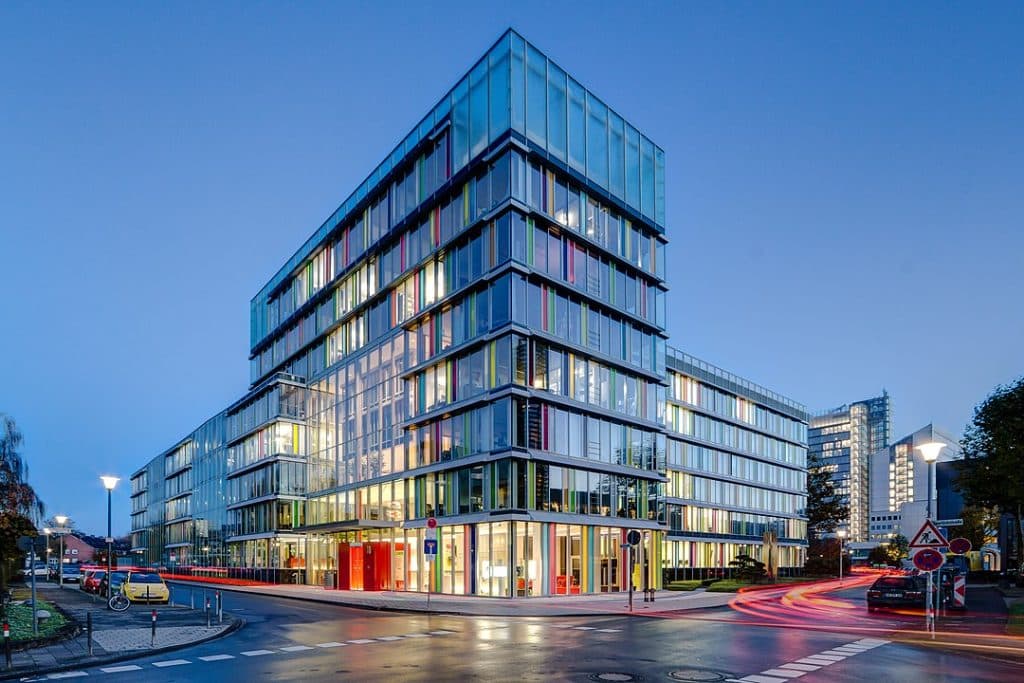
German municipalities expect the federal government’s plans to decarbonise the heating sector to require at least €8 billion in investment for public buildings alone. The plans envisage ending the use of fossil fuels to generate heat in public buildings by 2045. The report was published by the international news site Clean Energy Wire.
According to Clean Energy Wire, Gerd Landsberg, chief executive of the German Association of Towns and Municipalities, said that the requirement to end the use of fossil fuels in public buildings would bring additional costs of around €60,000 for each heating system replaced. According to the association, around 135 000 of Germany’s approximately 180 000 public buildings would need to replace their fossil-fuel heat source.
The German government plans to introduce a mandatory share of at least 65% renewables in all new or replacement heating systems from 2024. Only heat pumps, hybrid heat pumps with fossil-fuel backup, decarbonised district heating and biomass boilers effectively meet this criterion. According to published information, the installation of new gas heating systems will still be allowed, provided that from 2030 they run on sustainable biomethane, green hydrogen or other “green” gases.
Translation disclaimer
This article is a machine translation of the Czech original and has not yet been fully reviewed. In case of any doubt, please refer to the Czech version.
The article continues for subscribers
Premium content
The rest of this article is available to premium subscribers only. Get access to all premium articles on oEnergetice.cz.
Best value: annual subscription
Monthly option 4 € / month
3.25 €/ month
You might also like

11 November 2026, 13:19
11 November 2026, 12:52
11 November 2026, 10:55
11 November 2026, 10:43