Environmentalists: Current situation shows Germany must give renewables higher priority

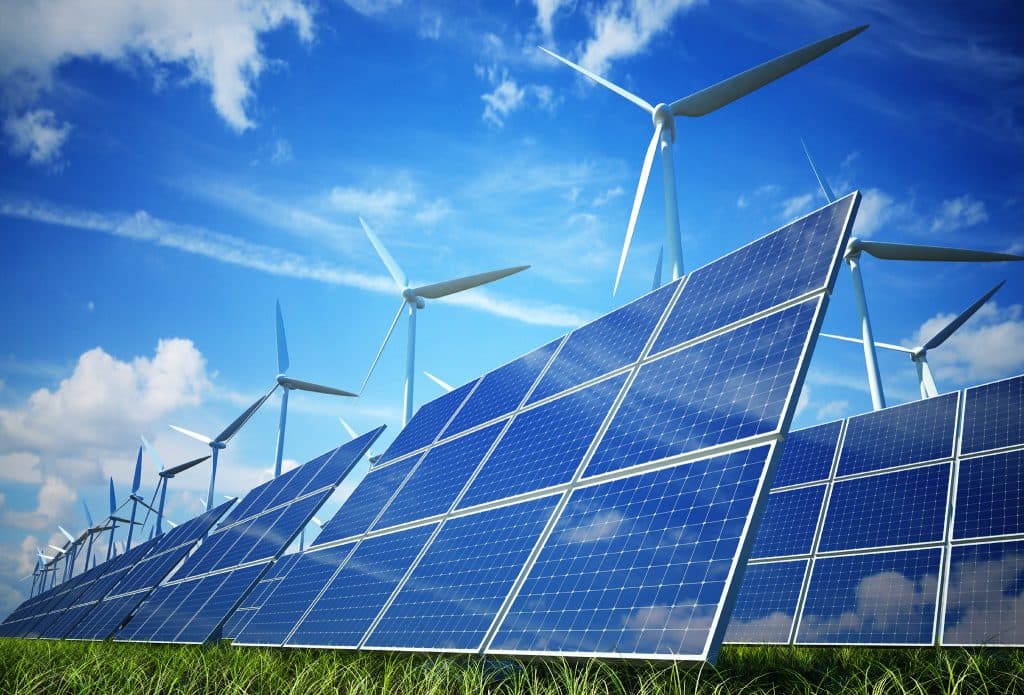
German environmental organizations say that a faster phase-out of fossil fuels should now be an even higher priority. Their response came, among other things, after Chancellor Merz said the closure of German thermal power plants could be slowed.
According to a coalition of NGOs led by Deutscher Naturschutzring (DNR), phasing out fossil fuels is not only a climate priority but also a matter of economic resilience and energy security. The Clean Energy Wire website reported this. In light of recurring global energy crises, they say, the country urgently needs to accelerate the transition to a system based entirely on renewable energy. This is another voice in the debate about Germany's transition away from fossil fuels, particularly gas.
The alliance of nonprofit organizations has outlined an 11-point plan aimed at reducing Germany's dependence on volatile fossil fuel markets. At the heart of the proposal is the rapid expansion of renewable energy in electricity generation, heating and transport, combined with stricter measures to improve energy efficiency in buildings and industry.
The group warns that continued dependence on imported fossil fuels leaves Germany, and other European countries with it, exposed to the risk of geopolitical crises. The organizations point both to the 2022 gas crisis following Russia's invasion of Ukraine and to the latest supply disruptions related to the conflict in the Middle East. They argue that long-term liquefied natural gas (LNG) supply contracts, including recent deals with the United States, will make European countries even more dependent. They will therefore address the current supply problem only in the short term.
Hydrogen instead of natural gas and an end to fossil fuel subsidies
A key recommendation is to halt the construction of new gas-fired power plants unless they are clearly necessary and designed to switch to a renewable energy source, such as hydrogen, by 2035. Without such a plan, NGO groups warn, gas infrastructure could become stranded assets that would only hold back decarbonization.
In addition to ramping up renewable electricity generation more quickly, the document also calls for extensive electrification across all sectors of the economy. This includes expanding electric mobility, significantly strengthening rail and public transport, and electrifying industrial processes. Together, these measures are considered crucial to reducing demand for fossil fuels at its source.
The NGOs are also critical of biomass, describing it as an unsustainable alternative that competes with food production and could lead to renewed dependence on imports. Instead, they advocate the importance of a circular economy, which should reduce overall resource consumption and dependence on imported raw materials. The document also calls on the government to phase out fossil fuel subsidies in a socially equitable way and enforce the “polluter pays” principle. The current subsidies, the organizations say, distort market signals and slow the transition to a more independent and sustainable energy system.
Translation disclaimer
This article is a machine translation of the Czech original and has not yet been fully reviewed. In case of any doubt, please refer to the Czech version.