Europe’s largest battery storage facility planned at the Brokdorf nuclear power plant site

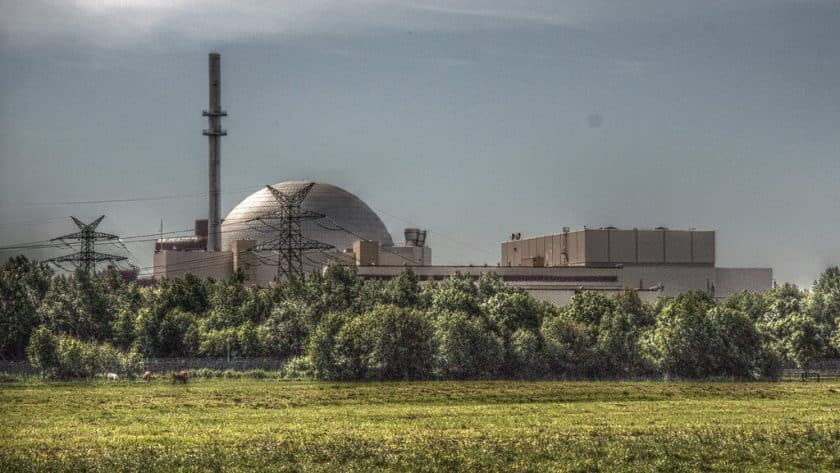
PreussenElektra, the operator of the decommissioned German Brokdorf nuclear power plant, plans to build a battery storage facility on its site with an installed capacity of 800 MW and a storage capacity of 1,600 MWh. The project is to be carried out in two phases and, once operational, would be the largest facility of its kind in Europe. The German news website NDR reported.
The first phase of the project, with a capacity of 100 MW and 200 MWh, is expected to be completed in 2026. It is to be built next to the visitor centre, and there are no obstacles to its construction.
To proceed with the second phase of the project, which is to be built directly on the Brokdorf nuclear power plant site, PreussenElektra needs a permit to begin demolition work and dismantling the decommissioned reactor. According to plant director Tammo Kammrath, the company applied for permission to start this work in December 2017, but has not yet received it. The plant was disconnected from the electricity grid on 31 December 2021.
"We are in contact with the authorities. During discussions, we were told that we could expect a draft of the first part of the permit to dismantle the reactor in summer 2024," added Guido Knott, CEO of PreussenElektra.
If all goes according to plan, PreussenElektra expects the second part of the project to come online in 2036.
"Schleswig-Holstein has set itself the goal of becoming the first climate-neutral federal state by 2040. If we manage to complete the battery system by 2036, it will fit perfectly with this strategy," Knott added.
According to PreussenElektra, the site of the decommissioned Brokdorf nuclear power plant is particularly well suited to hosting a battery storage facility, as some of the existing infrastructure can be used. In addition to storing surplus electricity from wind farms operating in Schleswig-Holstein, the facility will also be able to use electricity from Norway, which is transmitted to Germany via the Nordlink subsea cable.
Translation disclaimer
This article is a machine translation of the Czech original and has not yet been fully reviewed. In case of any doubt, please refer to the Czech version.