10 November 2026, 16:31
Loading...
French-German energy agreement: New impetus for Czechia and the EU
Kristýna Klasová
6 September 2025, 12:27
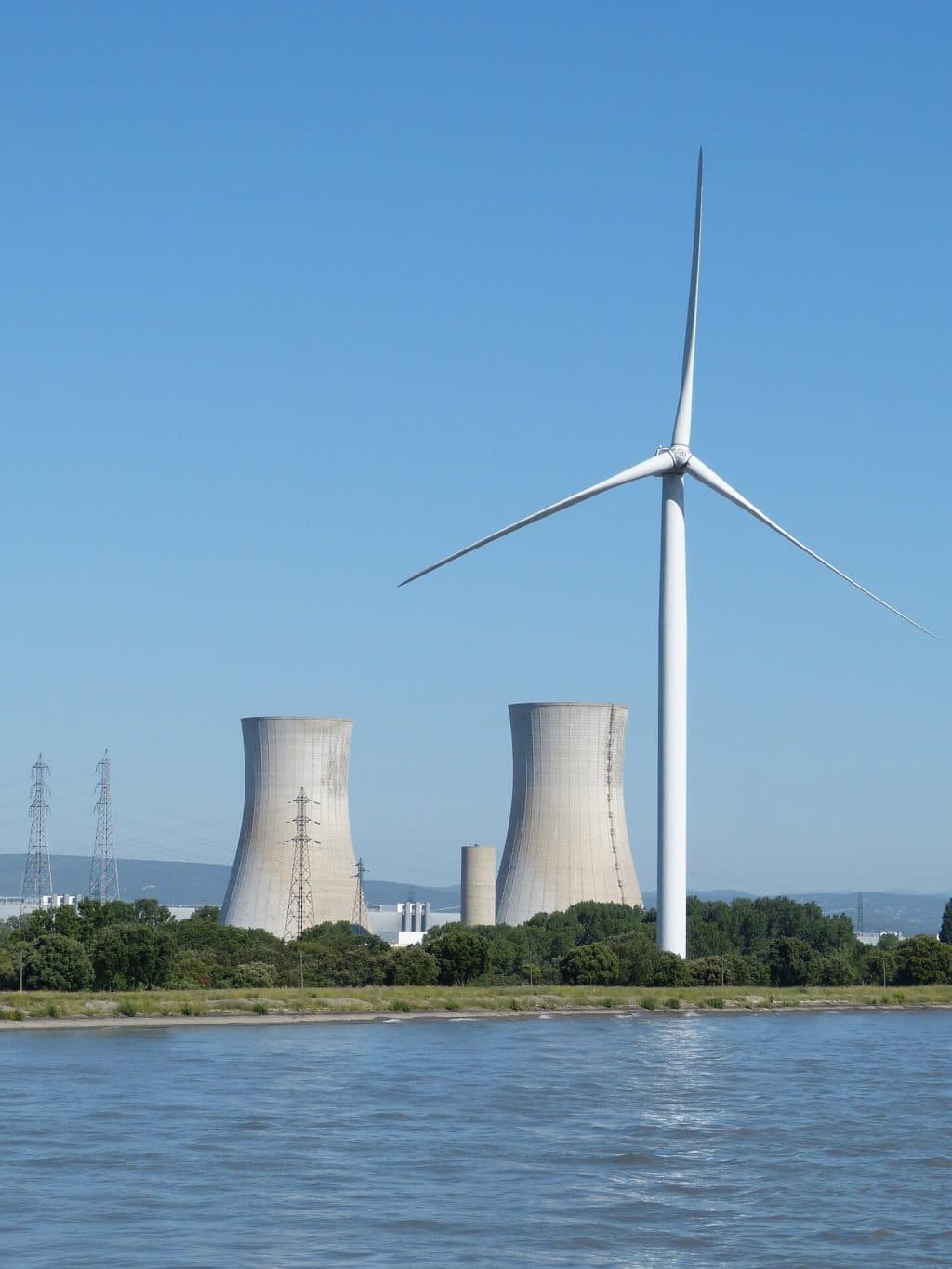
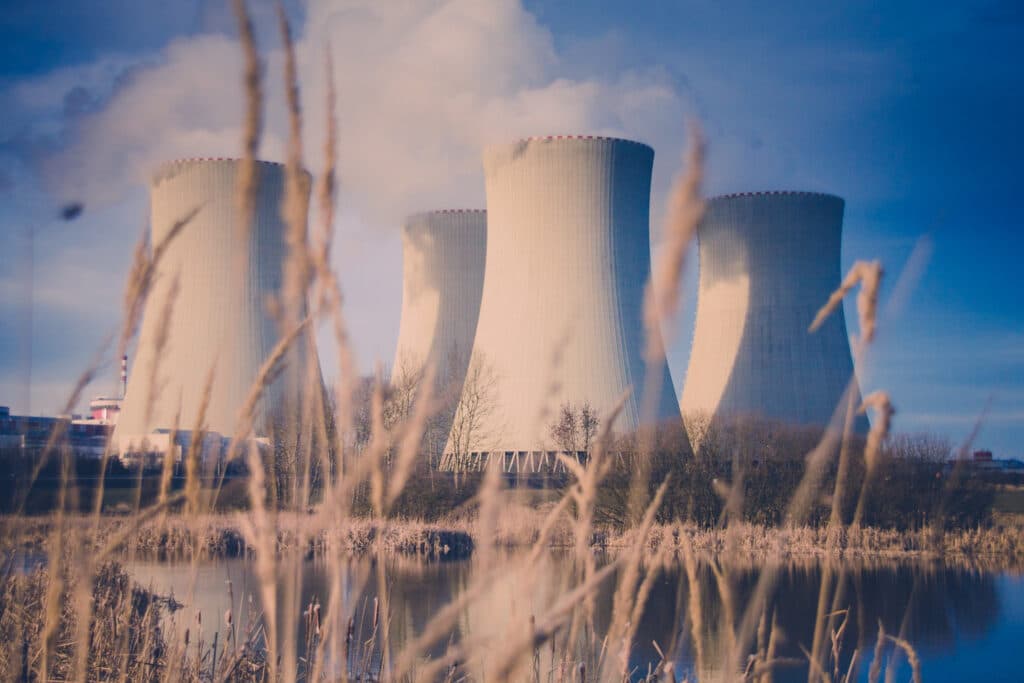
Germany and France have agreed on a joint approach to shaping European energy policy. This is to include nuclear energy as a low-carbon source. The move could bridge the two countries’ long-standing dispute over the role of nuclear power in Europe’s green transition. The agreement could also help bring Czechia closer to carbon neutrality.
Both countries adopted a joint economic agenda that envisages a proposal for a new European energy policy for 2040. It is to align with the European Commission’s recommendation, which sets a 90% reduction in greenhouse gas emissions compared with 1990 for this target year. The fundamental principle is to be equal treatment of all technologies that can contribute to achieving climate neutrality. Alongside renewable sources, the role of nuclear power and other low-carbon solutions will therefore also be recognised at European level.
"There are fundamental differences between France and Germany in energy policy, but this does not affect our cooperation," German Chancellor Friedrich Merz said at a joint press conference during a government summit in southern France.
Translation disclaimer
This article is a machine translation of the Czech original and has not yet been fully reviewed. In case of any doubt, please refer to the Czech version.
The article continues for subscribers
Premium content
The rest of this article is available to premium subscribers only. Get access to all premium articles on oEnergetice.cz.
You have read only 27% of the article — unlock the remaining 73% with a premium subscription.
Best value: annual subscription
Monthly option 4 € / month
3.25 €/ month
You might also like
10 November 2026, 15:19
10 November 2026, 10:23
10 November 2026, 09:48

10 November 2026, 06:21