
28 October 2026, 15:10
Loading...
German economy minister faces criticism over whether he knew the impact of the nuclear phase-out

oEnergetice.cz, ČTK
26 April 2024, 16:37
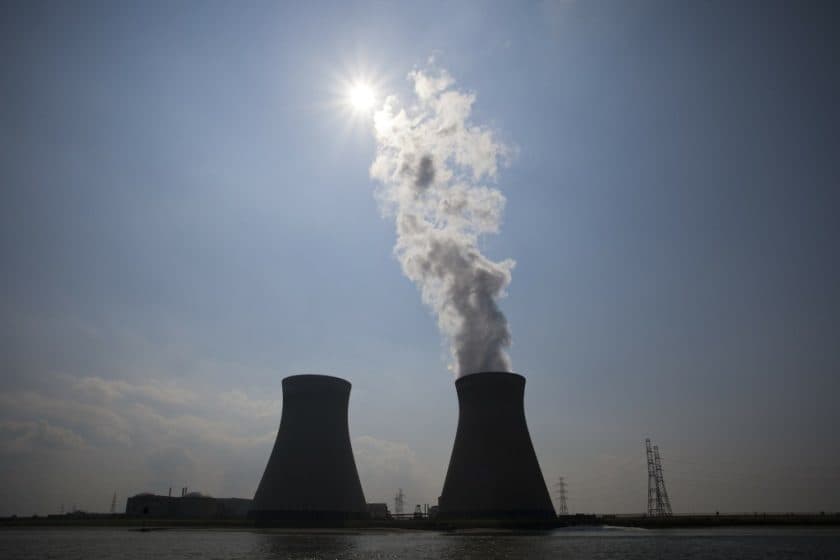
Berlin, 26 April (CTK) – German Economy Minister Robert Habeck is facing criticism over whether he had all the information needed to make such a serious decision before shutting down the last nuclear power plants at the height of the energy crisis. Citing documents it had obtained, Cicero magazine reported that senior officials at the Economy Ministry and the Environment Ministry may have concealed experts’ concerns about shutting down the reactors, thereby misleading Habeck. The minister, who discussed the matter today before a special parliamentary committee dealing with the nuclear phase-out, maintains that nothing of the sort happened.
At the centre of the suspicions is Habeck’s former state secretary Patrick Graichen, who, according to sources, concealed the ministry experts’ concerns from the minister. Similar suspicions surround Stefan Tidow, state secretary to Environment Minister Steffi Lemke. Like Habeck, she has rejected the allegations.
Habeck’s office says no opinion was ignored or distorted for ideological reasons during the decision-making process. The Economy Ministry considers statements suggesting otherwise to be simplistic and lacking context. Habeck himself points out that he personally contacted the nuclear power plant operators to hear their views on extending operations.
The opposition conservative CDU/CSU alliance, however, wants the matter thoroughly investigated, saying the Cicero report confirms its longstanding suspicion that the public and MPs were given false information. The conservatives opposed shutting down the reactors at the time and proposed extending their operation by at least several more years.
Politico reported today that the alliance could not pass up an opportunity to damage Habeck. The outlet also said the affair is not actually dangerous for Habeck and Lemke. „It is all the more irritating,“ Politico wrote, referring to the upcoming elections.
Germany shut down its last three nuclear power plants in April last year after more than 60 years of operation. The government had originally planned to shut down the reactors three months earlier, but postponed the move because of the energy crisis linked to the effects of Russia’s invasion of Ukraine.
The decision to end nuclear power generation in Germany was made in May 2011 by the government of conservative Chancellor Angela Merkel. It was prompted by the accident at the Japanese nuclear power plant in Fukushima that same year. Before the Fukushima accident, nuclear power accounted for 25 percent of Germany’s electricity generation. In the last quarter of operation, nuclear reactors accounted for only about five percent of electricity generation in Germany, and about six percent in 2022. By comparison – last year Germany generated 55 percent of its electricity from renewable sources and aims to obtain at least 80 percent of its electricity this way by 2030.
In 2023, the year Germany ended nuclear power generation, the country became a net importer of electricity for the first time in more than 20 years.
Translation disclaimer
This article is a machine translation of the Czech original and has not yet been fully reviewed. In case of any doubt, please refer to the Czech version.
Sdílejte článek prostřednictvím:
You might also like

28 October 2026, 13:08

28 October 2026, 11:10

28 October 2026, 09:08
