
17 October 2026, 13:09
Loading...
Germany: Billions in grid stabilisation costs expected to fall further as the grid expands

Jan Budín
3 May 2025, 16:00
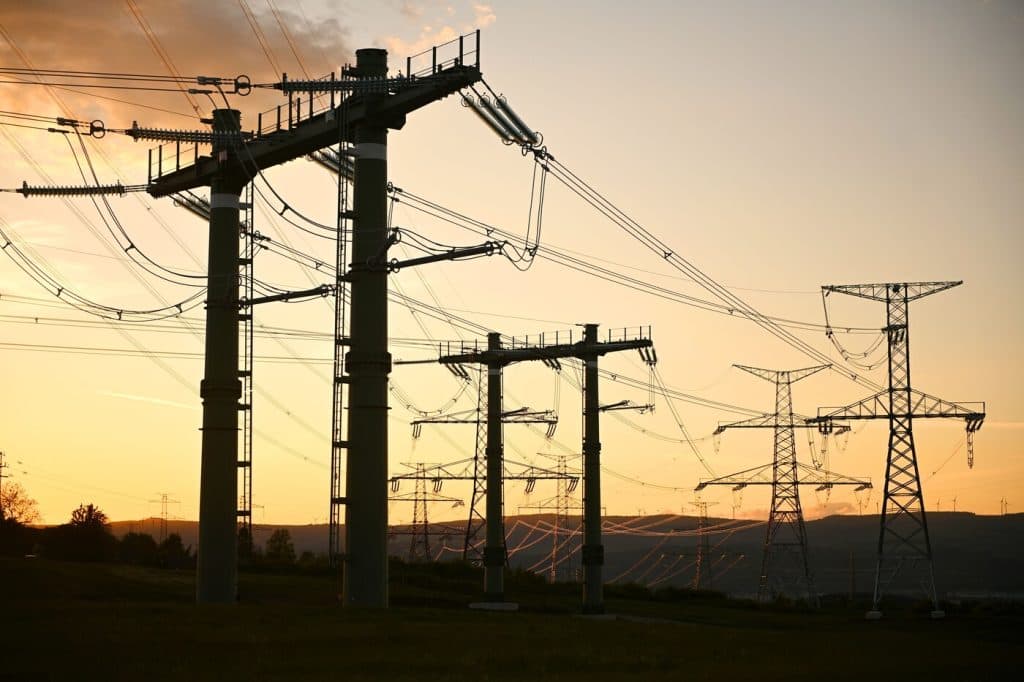
Germany’s network regulator BNetzA expects lower requirements for reserve capacity and grid stabilisation measures in the coming winter of 2025/26, and therefore a drop in the costs of these measures. Those costs also fell last year, reaching EUR 2.8 billion for the full calendar year. Clean Energy Wire reported.
According to BNetzA’s published outlook, Germany is expected to need 7% less reserve capacity and as much as 30% less redispatch volume this coming winter. Redispatch involves curtailing electricity generation in one part of the grid while increasing it in another, thereby addressing bottlenecks in the power system.
The regulator said that if its forecast is borne out, the costs of these measures—which are ultimately passed on to consumers—will also fall. The main reason for the expected decline in redispatch is the expansion of the power grid, which in Germany has so far significantly lagged behind the growth of renewable energy.
“Most reserve capacity will be provided by sources located in Germany, but German grid operators will also have contracts with reserve capacity providers in neighbouring countries,” the regulator said.
Costs have fallen in recent years
Germany’s network regulator said in early April that the cost of stabilising Germany’s power system fell by 17% in 2024 to EUR 2.8 billion. In 2022, it had still stood at EUR 4.2 billion.
The decline last year is attributed, on the one hand, to a 12% year-on-year decrease in redispatch volume and, on the other, to lower fuel prices for dispatchable power plants.
Lower wind power output contributed in part to the reduced need for redispatch, as wind farms experienced a so-called Dunkelflaute at the end of last year. Wind generation was therefore curtailed less than in 2023.
By contrast, curtailment of solar power generation almost doubled compared with 2023. BNetzA cites the unusually sunny summer of 2024, together with the growth in installed solar capacity, as the reason. Overall, around 3.5% of total renewable energy generation was curtailed in 2024 .
Translation disclaimer
This article is a machine translation of the Czech original and has not yet been fully reviewed. In case of any doubt, please refer to the Czech version.
Sdílejte článek prostřednictvím:
You might also like




16 October 2026, 10:16