Negative signal for the Energiewende: Germany abandons plan to buy TenneT grid operator

After lengthy negotiations, Germany has abandoned its plan to buy the German part of Dutch transmission system operator TenneT, citing a strained state budget. According to the newspaper taz and Wirtschaftswoche magazine, the decision is a negative signal for the decarbonisation of Germany’s energy sector. The reason is its negative impact on the pace of transmission grid expansion, which is crucial for increasing renewable energy generation.
“The collapse of the TenneT deal is the worst possible signal for the Energiewende at this difficult stage,” Wirtschaftswoche reports.
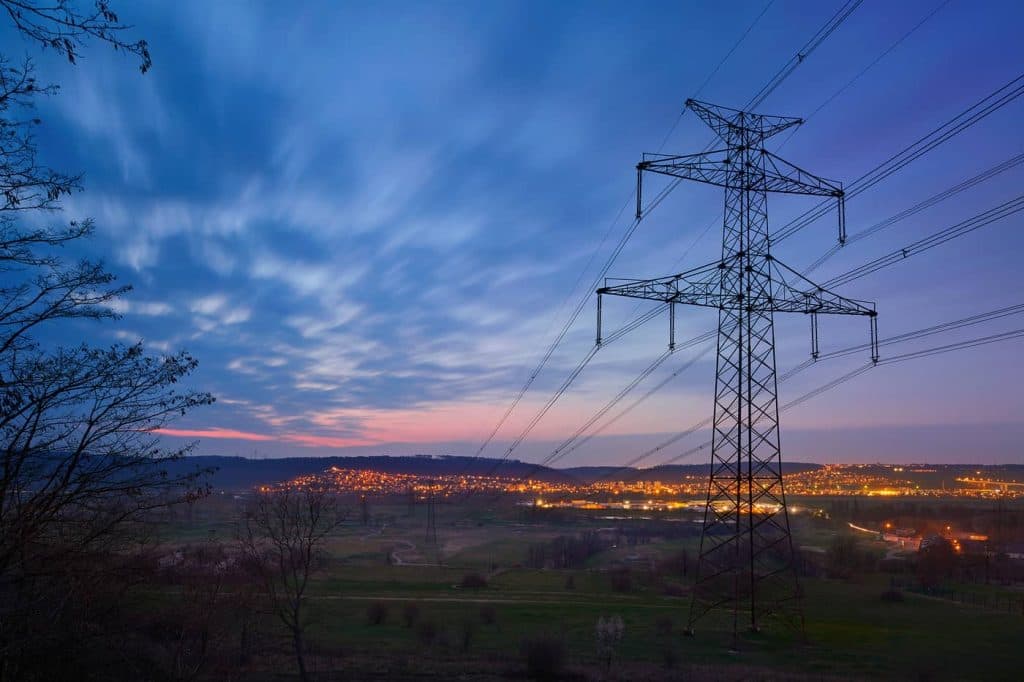
TenneT is one of Germany’s four transmission system operators, responsible for a large part of the transmission grid in northern, central and southern Germany. It is a key player in the implementation and construction of north-south transmission links, which are intended to carry electricity from the country’s windy north to its industrial south.

According to taz, these lines would require investment of approximately 100 billion euros in the case of TenneT, in addition to the 25 billion earmarked for the company’s purchase. The newspaper says, however, that the investment would pay off for Germany because electricity grids are critical infrastructure.
Selling TenneT’s German business to private companies or listing it on the stock exchange could lead to even higher electricity prices for end consumers, as investors would seek to make a profit. This would further harm the transformation of Germany’s energy sector, taz writes.
Wirtschaftswoche reports that Germany must now come up with clear and attractive terms for investors, which will take time. At the same time, the magazine says it is important to find terms that will not lead to higher grid charges, which would burden industry.
“Any step that would lead to further increases in transmission grid charges is unacceptable. It may be attractive to investors, but it will deter those who ultimately depend on these grids and have to pay for electricity: industry,” Wirtschaftswoche reports.
German government sources told Reuters that the country could still buy a minority stake in the company, but another source close to the talks said TenneT’s German business is so large that finding another investor could be difficult.
Germany owns stakes in two other transmission system operators through the development bank KfW: a 20% stake in 50Hertz and around 25% in TransnetBW. German energy company RWE is reportedly considering selling its 25.1% stake in Amprion in the near future, and Germany could also be a potential buyer in this case.
Information about the German government’s plans to buy a majority stake in or all of TenneT’s German business first emerged at the end of 2022. Germany wanted to secure sufficient funding for the expansion of the energy grid, which the Netherlands, the company’s current owner, has refused to provide.
Translation disclaimer
This article is a machine translation of the Czech original and has not yet been fully reviewed. In case of any doubt, please refer to the Czech version.