25 September 2026, 09:51
Loading...
RWE to demand hefty compensation for closing its coal plants

David Vobořil
19 March 2019, 07:55
Germany’s largest electricity producer, energy giant RWE, will demand hefty compensation for the closure of its coal-fired power plants proposed by the coal commission. The potential preservation of Hambach Forest will also come at a price. This follows from comments made by the company’s chief executive, Rolf Martin Schmitz, last week.
Schmitz expects high compensation for the early retirement of coal-fired power plants – between €1.2 and €1.5 billion (CZK 30.7-38.4 billion) per gigawatt, roughly double the compensation for closing lignite-fired power plants and transferring them to the so-called lignite reserve, a process under way since 2016. Plants with a capacity of 2.7 GW received compensation of €670 million (CZK 17.2 billion) per GW, and many German politicians consider this figure a guide for further closures.
Schmitz justified the need to increase compensation by the need to compensate for impacts on lignite mining.
“It is clear that compensation for the retirement of further power plants must be significantly higher than in the past. Unlike earlier measures, lignite mines are now also affected; further closures of lignite-fired power plants will have a direct impact on opencast mining,” Schmitz said.
Several weeks ago, the so-called coal commission presented its final report. The body, which included representatives of the coal industry and politicians as well as environmental organisations, recommends a gradual phase-out of coal-fired electricity generation by 2038.
Under the commission’s recommendations, lignite-fired power plants with installed capacity of 3 GW are to be retired by 2023, with RWE accounting for a large share of this capacity. According to Schmitz, this will mean a reduction of 2,700 employees at RWE by 2023.
The commission did not specify the level of compensation in its recommendations, leaving it to agreements between power plant and, by extension, mine operators and the government.
Preserving Hambach Forest also has its price
At the same time, Schmitz wants to examine whether preserving Hambach Forest, as demanded by climate activists, is “technically feasible with regard to stability, reclamation and water management.” Here, too, however, he expects high compensation.
“It is already clear that preserving the remaining part of the forest would cost a lot of money; it also makes no economic or operational sense. But symbols have their price,” Schmitz said.
The coal commission described preserving Hambach Forest as “desirable”. The forest in the Rhineland has become a symbol for climate campaigners in the fight against coal in recent years. Climate activists have managed to temporarily halt its clearing for a lignite mine. RWE declared a moratorium on clearing the forest until autumn 2020. Schmitz stressed that preserving the forest would not be easy. Among other things, it would require “completely new planning of lignite mining”.
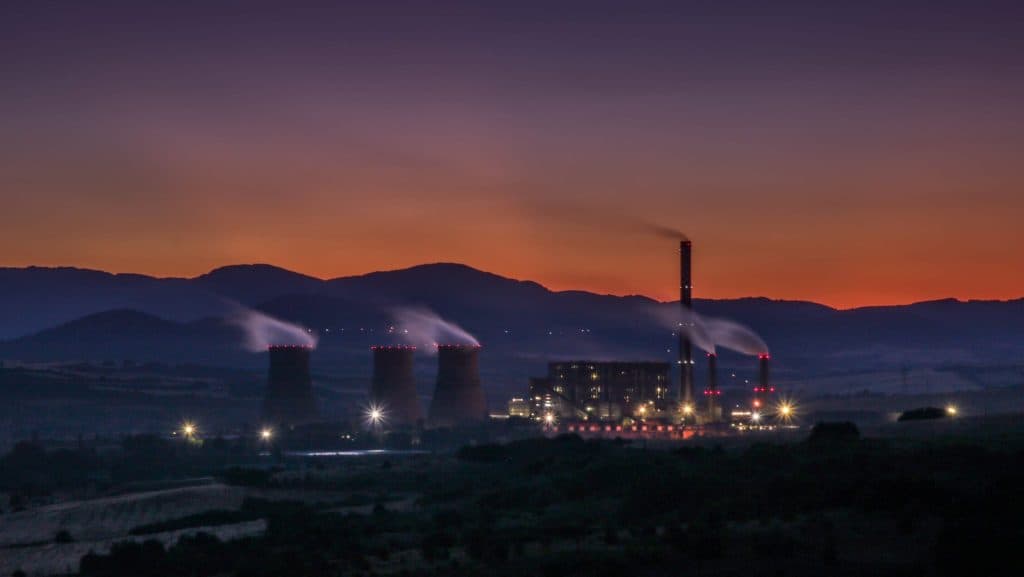
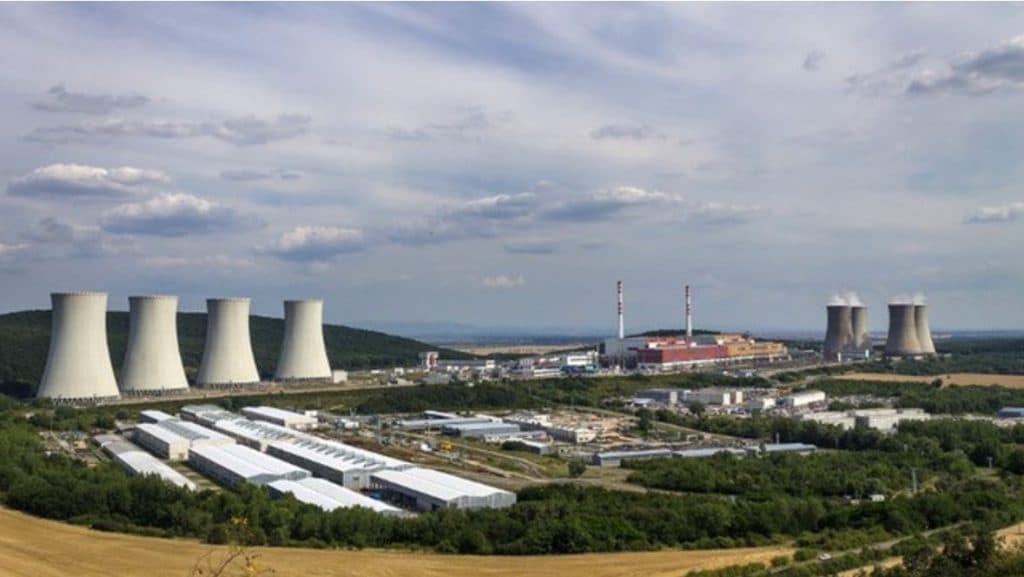
Lead photo: RWE’s Niederaußem lignite-fired power plant. Source: RWE
Translation disclaimer
This article is a machine translation of the Czech original and has not yet been fully reviewed. In case of any doubt, please refer to the Czech version.
Sdílejte článek prostřednictvím:
You might also like
24 September 2026, 11:23

24 September 2026, 10:30
24 September 2026, 06:56