25 September 2026, 09:51
Loading...
Association: Most Czech heating plants to raise prices with inflation or not at all

oEnergetice.cz, ČTK
21 November 2025, 10:21
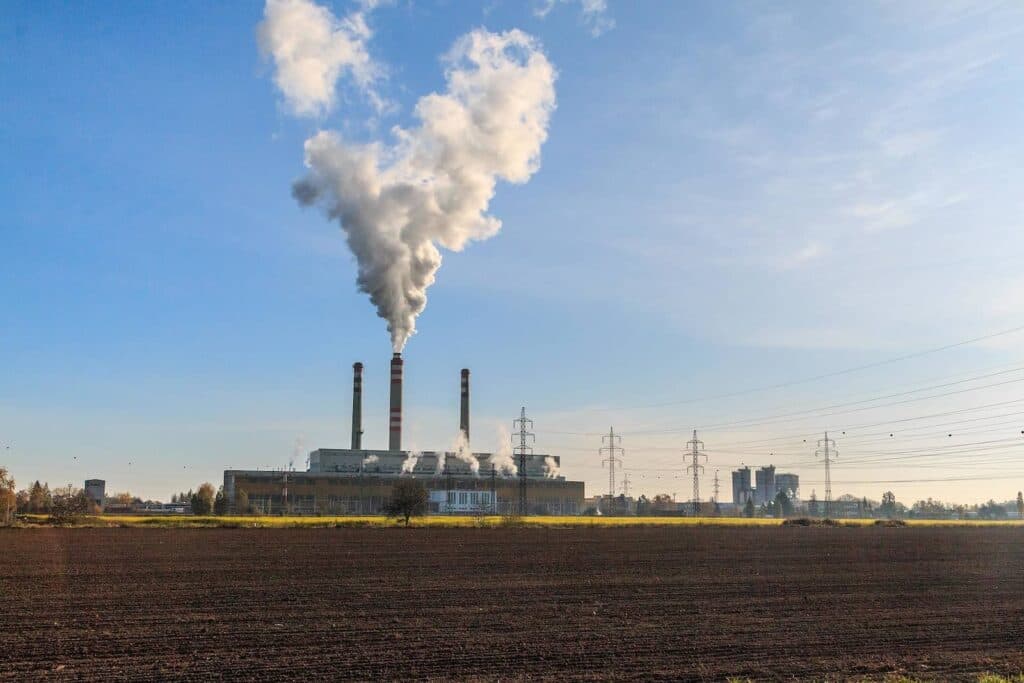
Some heating plants in Czechia will increase the price of their supplies next year in line with inflation, while others are not planning any price increases at all. Several smaller heating plants will be an exception, raising prices by double-digit percentages due to purchases of emission allowances. The Czech Heating Association informed ČTK of this today.
"The energy crisis has already subsided, and next year I do not expect a significant increase in heat prices, with the exception of several heating plants that will newly be included in the emissions trading system and will have to purchase allowances," said Mirek Topolánek, chairman of the executive board of the Czech Heating Association.
According to the association, most households in Czechia connected to district heating therefore need not fear significant price increases. Some domestic heating plants will raise heat supply prices roughly in line with expected inflation, which averaged 2.6 percent in October. Gas-fired heating plants, with the exception of those in South Bohemia, will see an increase in gas distribution charges. For coal-fired heating plants, a significant factor will be the rising price of allowances.
According to the association, another group of heating plants will not change prices at all at the start of next year.
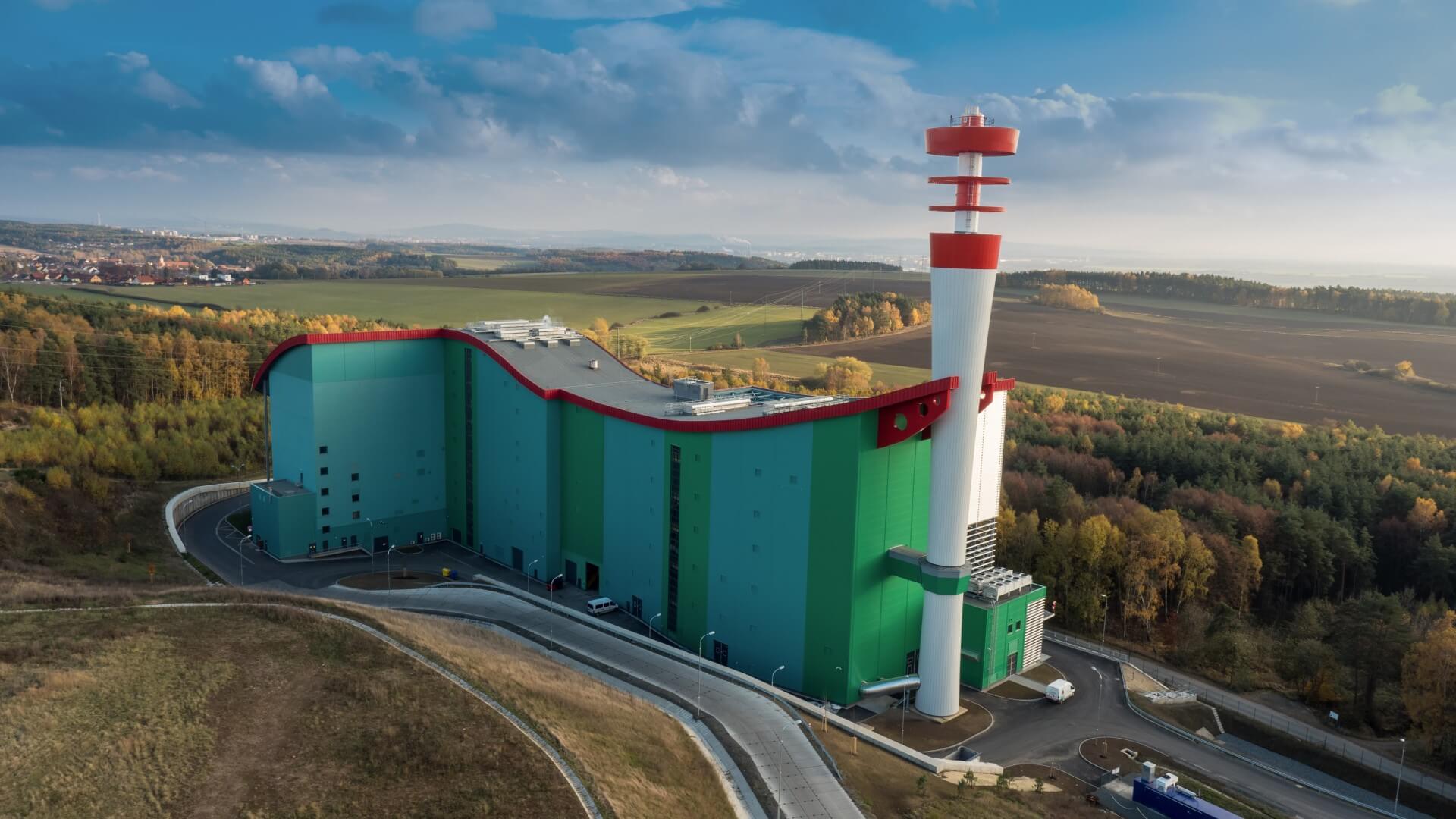
Source: ZEVO Plzeň
According to the association's data, several smaller heating plants that will newly have to purchase emission allowances will be an exception. In their case, price increases will be in double digits. The association did not specify exactly which heating plants will be affected.
The reason is an amendment to the law that from January changed the rules for calculating installed thermal input, which is key to inclusion in the EU ETS1 emissions trading system. Until this year, biomass boilers were not included in total thermal input, but from the start of next year all boilers with an input of three megawatts (MW) or more will be counted, which will result in. Several smaller heating plants will therefore exceed a thermal input of 20 MW and will newly have to buy and surrender allowances.
One of the heating plants affected by the change is in Ostrov. "Small and medium-sized heating plants have often invested hundreds of millions of crowns in modernising their facilities, particularly in building biomass boilers, in order to reduce CO2 emissions while avoiding the need to buy allowances. The European Commission has rewarded them by changing the rules, and they will once again have to buy allowances, which has a negative impact on the final price of heat," said Tibor Hrušovský, chairman of the board of Ostrovská teplárenská.
Translation disclaimer
This article is a machine translation of the Czech original and has not yet been fully reviewed. In case of any doubt, please refer to the Czech version.
Sdílejte článek prostřednictvím:
You might also like
24 September 2026, 11:23

24 September 2026, 10:30
24 September 2026, 06:56