
28 October 2026, 15:10
Loading...
Czech district heating plants supplied less heat this season due to warm weather

oEnergetice.cz, ČTK
27 April 2024, 07:13
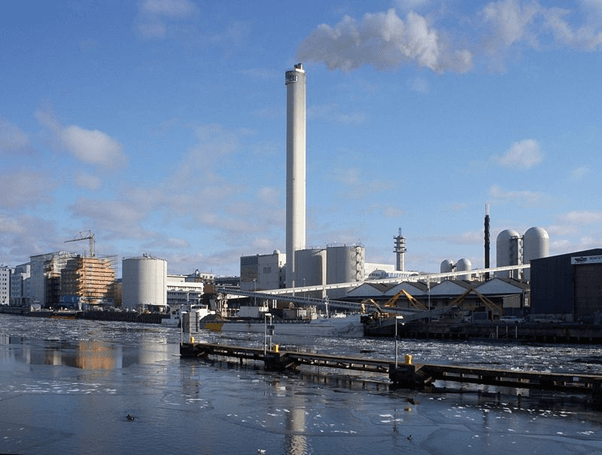
Warm weather had a significant impact on the heating season now drawing to a close in Czechia. District heating plants across the country therefore recorded lower demand year on year, with declines mostly ranging from five to 15 percent, the Czech News Agency (ČTK) found. Some households also continued to make savings, though these had already become apparent last year amid rising energy prices. The heating plants will wait until the season ends, at the end of May, to make a definitive assessment.
The heating season did not begin until October, often later than in recent years. In Brno, heating started on 5 October, several weeks later than usual. In Plzeň, it began a day later still, marking the first time the start of the heating season had been pushed back to October. In Hradec Králové, it did not begin until 9 October 2023, 23 days later than in 2022.
According to the Czech District Heating Association, this year's heating season is so far the warmest in more than 60 years. Summer-like temperatures even caused radiators to stop heating for several days in some cities in early April. Although district heating plants restored full heat supplies last week as temperatures fell, they estimate that this cold spell will not make up for the lower demand.
In Brno, for example, the 2023/2024 season will have a record-low number of heating days. „The number is very likely to remain below 200,“ said Přemysl Měchura, financial director of Teplárny Brno.
Final figures are not yet available, however, and district heating plants can so far assess mostly only the period from September to March. Plzeňská teplárenská has sold five percent less heat this season than in the previous one, while the figure in Pardubice is eight percent. In Karlovy Vary, Hradec Králové and Kolín, the decline is 10 percent. Heat consumption supplied by Teplárna Liberec fell 15 percent year on year. Declines in other cities are generally within a similar range.
The season will last for more than another month. „We will see how the weather develops in the coming days. After an exceptionally warm first half of April, temperatures have dropped to winter levels, but another significant warming is already on the horizon,“ said Michal Chmela, chairman of the board of Zásobování teplem Vsetín, for example. The companies are ready to suspend heat supplies and, if necessary, resume them later.
The exceptionally warm winter of 2023/2024 has already been reflected in refunds of advance payments in bills for the full calendar year 2023. „The company's revenue for 2023 as a whole was 10 percent lower. Heating demand was below normal especially in January, October and December. Total refunds will exceed 126 million crowns, while additional payments will amount to just over two million crowns,“ said Jiří Seidler, director of the municipal company Tepelné hospodářství Hradec Králové. He noted that advance payments for 2023 were set, in accordance with legislation, based on the latest known consumption figures, from 2021, a year marked by above-average consumption.
Under a decree issued by the Ministry of Industry and Trade, the heating season runs from the beginning of September to the end of May. Heating may be suspended or limited earlier if the average outdoor temperature rises above 13 degrees Celsius for two consecutive days and colder weather is not expected.
Translation disclaimer
This article is a machine translation of the Czech original and has not yet been fully reviewed. In case of any doubt, please refer to the Czech version.
Sdílejte článek prostřednictvím:
You might also like

28 October 2026, 13:08

28 October 2026, 11:10

28 October 2026, 09:08
