28 October 2026, 15:10
Loading...
Blending hydrogen into natural gas works
oEnergetice.cz
1 March 2024, 11:13
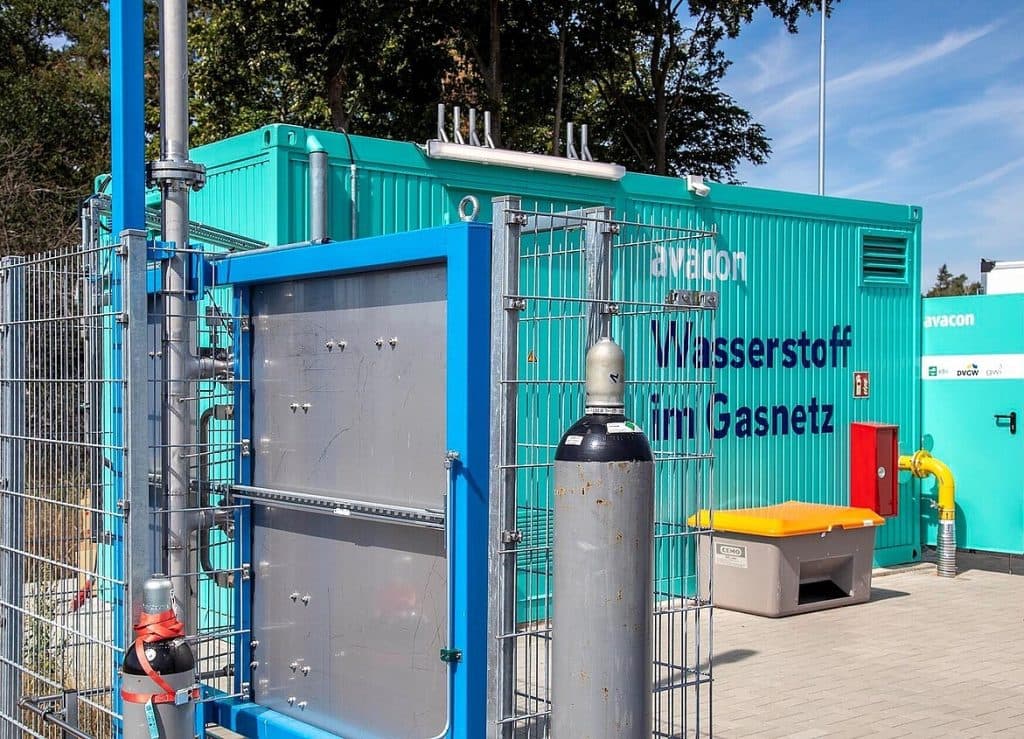
The village of Schopsdorf is an unassuming small community in the German state of Saxony-Anhalt, not far from Magdeburg. But it has already made its mark in the history of the gas industry. For three years, hydrogen was blended into natural gas in the village. The results have now been published. They showed that everything worked flawlessly with a hydrogen blend of up to 20%. Blending hydrogen into natural gas is a proven way to reduce the carbon footprint of the entire gas industry.
The project was led by the German Technical and Scientific Association for Gas and Water (DVGW). DVGW selected the Fläming model region for hydrogen blending and worked with local gas distributor Avacon to verify the viability of the blend.
The H2-20 project selected a local gas network in Fläming supplying seven municipalities, including Schopsdorf, where a blending unit was built at the local pressure-regulating station to produce a gas mixture for distribution.
Appliances can handle the blend
The project began in the 2021/2022 heating season. Hydrogen was gradually blended into the natural gas. Over four weeks, its share in the network was increased first to 5 and 10%, and later to 15 and finally 20%. At each stage, researchers carefully assessed how the appliances and gas network performed. In addition to a clear reduction in nitrogen oxide and carbon dioxide emissions in flue gases (of up to 7%), the tests showed that appliances could handle the gas mixture.
“There were more than 300 supply points in total, with over 350 gas appliances in operation. The range of appliances was diverse. They were manufactured between 1996 and 2020. The results showed that all the appliances operated safely and reliably,” says František Humhal, a technical asset management specialist at GasNet.
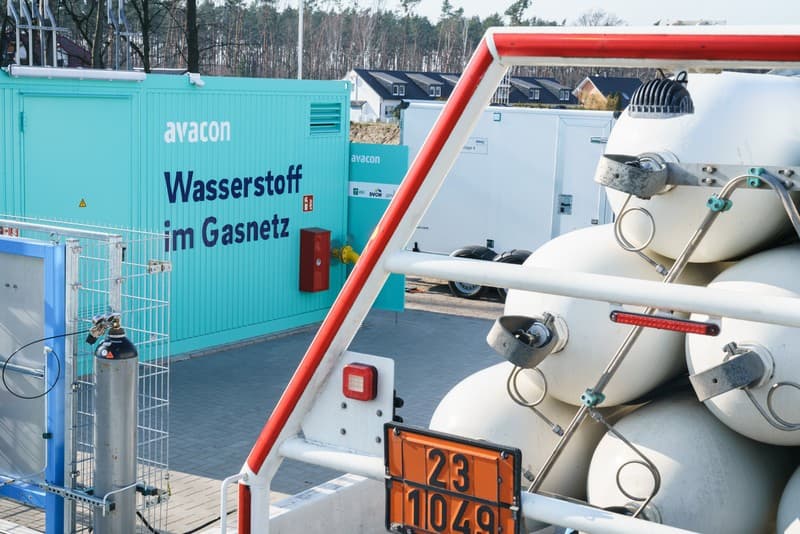
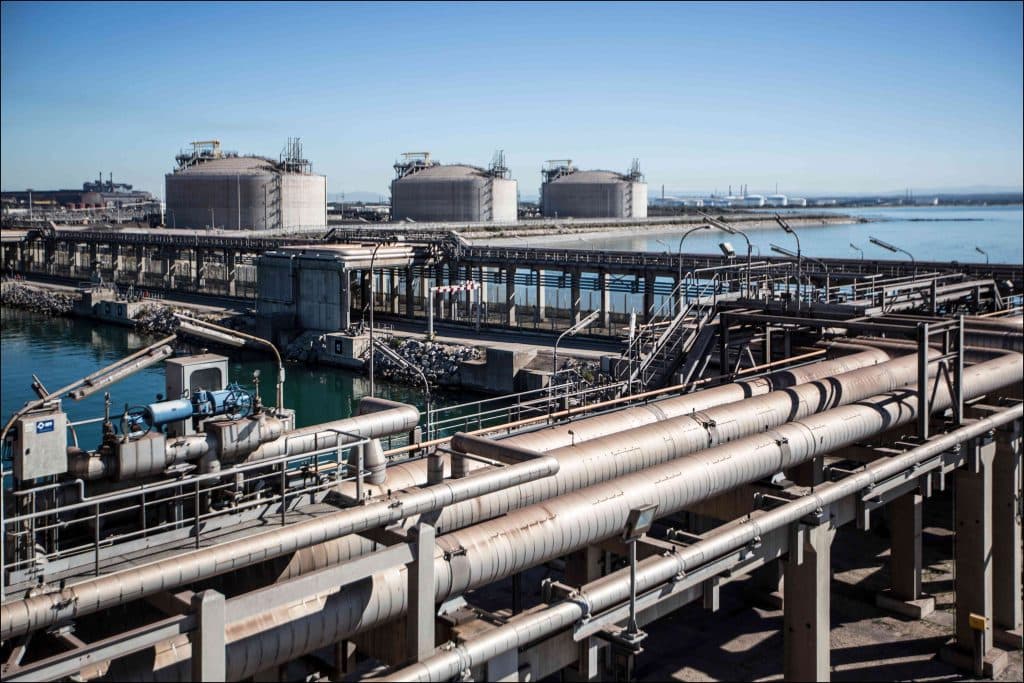
Source: Avacon
In the second heating season, 2022/23, researchers also tested blending with fluctuating levels of hydrogen in the network. This meant that the hydrogen concentration in the network unpredictably rose and fell between 0 and 20%. Spot checks showed that even these dynamic changes did not result in conditions that would affect the safe operation of the appliances.
The sample studied included 14 gas stoves and water heaters, 84 space heaters and instantaneous water heaters, and 254 condensing boilers and high-calorific-value appliances, including one combined heat and power unit. Household gas pipes were most commonly made of copper, with galvanized steel used much less frequently.
The test results confirmed a number of assumptions and, after proper evaluation, will provide a basis for developing current technical regulations within DVGW. “One of the assumptions confirmed was that a correctly installed gas system, with appliances in proper technical condition, allows safe operation with up to 20% hydrogen in natural gas. In this respect, according to the information I have, the German technical rule on gas quality, G260 – Gasbeschaffenheit, will be amended,” explains František Humhal, adding that the results also confirmed the readiness of gas service connections, pipelines, fittings, gas pressure regulators and gas meters.
Gas pipelines and gas equipment
The gas network in the area was built in 1994 and was selected because it represents a typical distribution system. The German network selected meets technical standards that are also used in the Czech Republic. It consists of both steel and plastic pipes.
“The local network consists of about 44 km of plastic pipes and roughly 1 km of steel pipes. The plastic pipes are made of PE 80, PE 100 and PE 100-RC, materials that can also be used to distribute 100% pure hydrogen,” explains František Humhal.
Standard gas meters remained in place throughout the project. More than 80% of them were conventional G4 diaphragm meters. The distributor established a separate quality zone for all participating villages to determine the daily gross calorific value. The calorific value of the gas mixture was measured by a chromatograph installed at the point where it entered the closed network.
The blending unit was built near the Schopsdorf pressure-regulating station. Hydrogen was not produced on site but delivered in a storage tank mounted on a trailer. It was a compressed hydrogen tank at a pressure of 200 bar. The injection equipment also included the chromatograph mentioned above. The gas was odorized in the same way as pure natural gas.
The German project showed that blending up to 20% hydrogen into natural gas is feasible. No technical modifications to appliances are needed. Integrating hydrogen into the existing gas network could quickly help reduce the carbon footprint of the entire gas industry. Even with a 20% blend, DVGW researchers recorded a 7% reduction in carbon dioxide emissions in flue gases.
Translation disclaimer
This article is a machine translation of the Czech original and has not yet been fully reviewed. In case of any doubt, please refer to the Czech version.
Sdílejte článek prostřednictvím:
You might also like
28 October 2026, 13:08
28 October 2026, 11:10
28 October 2026, 09:08