
8 November 2026, 13:59
Loading...
Czechia and Saxony sign memorandum on hydrogen cooperation, aim to connect networks

oEnergetice.cz, ČTK
11 January 2024, 15:10
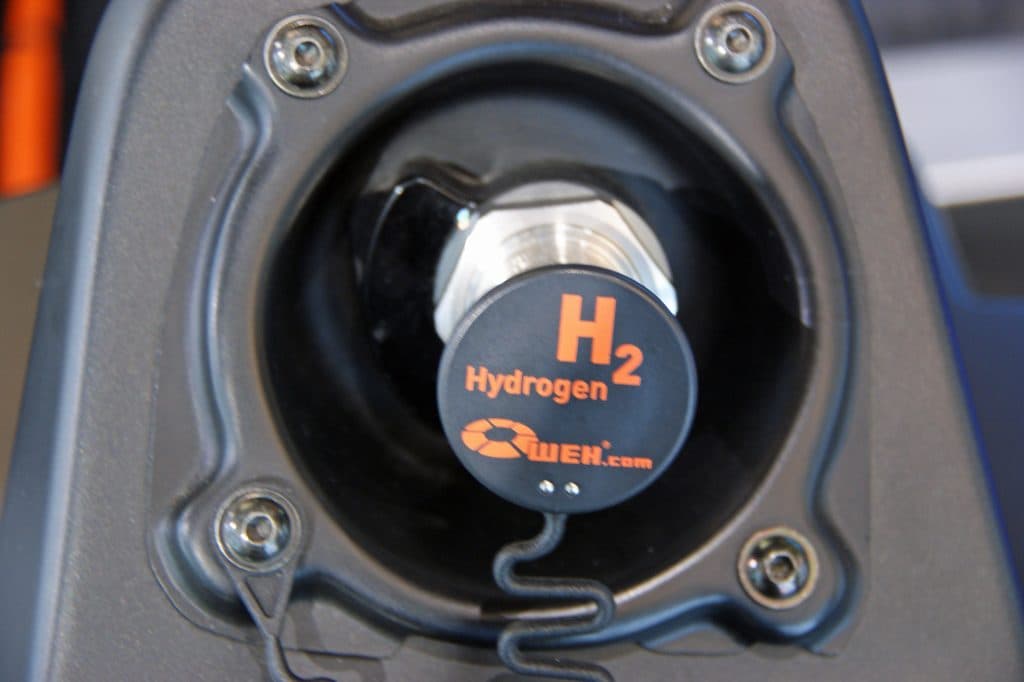
Berlin, 11 January (CTK correspondent) – The Czech Republic and Saxony want to deepen cooperation on developing hydrogen infrastructure and using hydrogen. Czech Industry Minister Jozef Síkela and Saxon Economy Minister Martin Dulig and Energy Minister Wolfram Günther today signed a memorandum to this effect in Dresden. According to a statement by the Saxon government, the document provides for cross-border connections between hydrogen infrastructure, which will also be created by converting existing gas pipelines, as well as cooperation between German and Czech companies and research institutions. Both Germany and the Czech Republic see hydrogen as a key energy source for the transition to a carbon-free economy.
„Our countries are already cooperating on the use of hydrogen, particularly in hydrogen trains. The memorandum signed today points the way forward for our cooperation on hydrogen imports,“ Síkela said.
The Czech minister noted that neither country has sufficient renewable energy resources for industry, making it essential to secure imports from regions with a surplus of renewable energy.
According to Günther, the transition to a carbon-free economy requires building not only national hydrogen networks but also European ones. „That is why I am pleased about our cooperation with the Czech Republic,“ he said. Dulig also said that for Saxony, there is no alternative to hydrogen cooperation with the Czech Republic and Poland. „For the economic transformation to succeed, hydrogen pipelines must not end at regional borders but must connect economically strong and prosperous regions. Czech long-distance gas pipelines are therefore essential to establishing a reliable hydrogen supply for Central Europe,“ he added.
Last year, Germany took the first steps towards creating its hydrogen backbone network. According to Federal Economy Minister Robert Habeck, it will extend for 9700 kilometres by 2032. The ministry expects 60 percent of the planned network to consist of existing gas pipelines that will be converted. The rest will be built from scratch.
Saxony is seeking the greatest possible hydrogen connectivity within Germany. It is also supporting the industrial production of electrolysers, which are devices used to produce hydrogen, through subsidies.
By 2030, Germany wants to cut greenhouse gas emissions by 65 percent compared with 1990 levels, by 2040 by 88 percent, and achieve climate neutrality by 2045. Electrification is one of the pillars of this plan. By 2030, Germany wants to generate 80 percent of its electricity from renewable sources, including wind and solar power plants. The country plans to use this clean energy to produce hydrogen.
Translation disclaimer
This article is a machine translation of the Czech original and has not yet been fully reviewed. In case of any doubt, please refer to the Czech version.
Sdílejte článek prostřednictvím:
You might also like

8 November 2026, 08:10
7 November 2026, 17:23

7 November 2026, 13:37