7 November 2026, 13:37
Loading...
Democrats take control of Congress. Trump’s energy policy faces two years under scrutiny
Veronika Jurcová
7 November 2026, 13:37
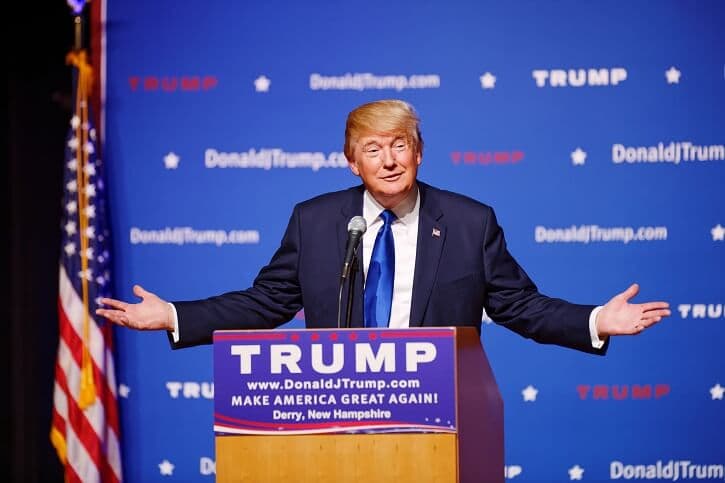
A Democratic victory in both chambers of Congress will make it harder for Donald Trump to push through his agenda. The new majority may investigate agreements between the administration and energy companies, scrutinize the use of tariff powers or raise questions about oil and gas production. But a major shift in US energy policy is unlikely. A number of key powers remain in the hands of the president, and Democrats do not have the majority needed to override his veto, S&P Global reports in its analysis.
The White House faces hearings and uncomfortable questions
The most visible change after the Democratic majority takes office will be Congress’s strengthened oversight role. Democrats will be able to launch their own investigations, hold hearings and demand documents and communications related to the administration’s decisions from both the administration and private companies.
One of the first targets could be the White House’s relationship with the oil industry. According to S&P Global, congressional committees may focus, for example, on Trump’s executive order “Unleashing American Energy", which directed the Department of the Interior to expand leasing of federal land and waters for production. The committees are expected to seek documents and communications between energy companies and the administration.
Specific agreements with private companies may also come under scrutiny. Democrats are already seeking information about the terms of the US involvement in Venezuela’s oil sector, including an agreement with North America Blue Energy Partners. Under the deal, the US government received a 35% stake and priority access to 20 % of production at cost.
Such scrutiny will not, by itself, cancel the agreements. It could, however, raise their political and legal costs and deter investors, particularly smaller ones. Greater uncertainty around longer-term investments could be one practical consequence of the new balance of power. A more pronounced impact may be felt by projects approved in 2027 and 2028, while the immediate effect on US oil production is expected to be limited.
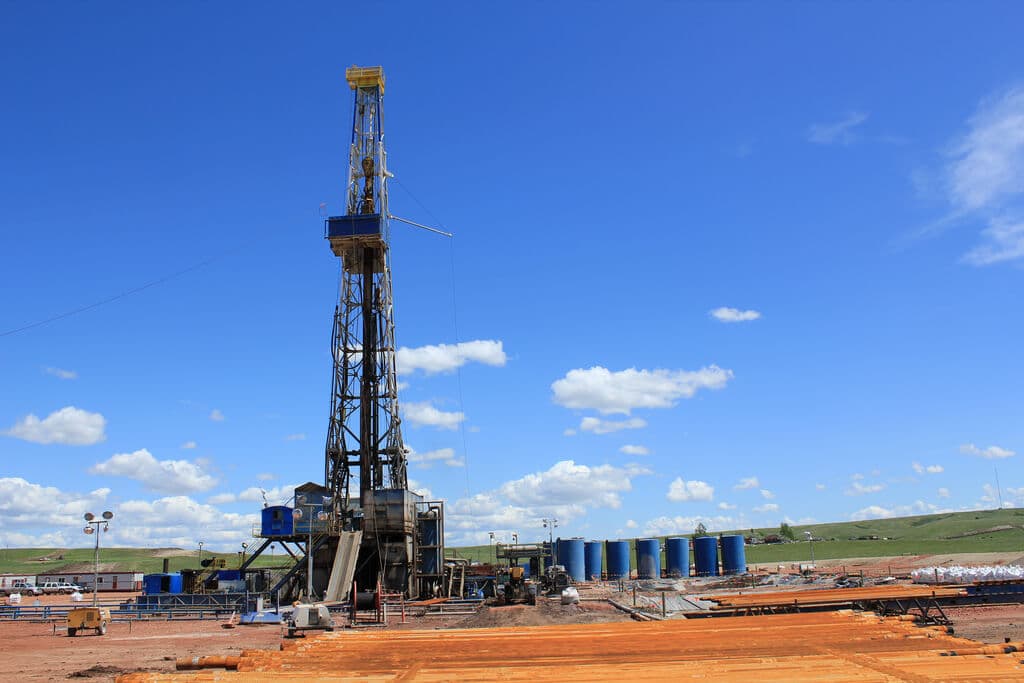
Source: Flickr / Lindsey G / CC BY 2.0
Trump’s tariffs may face greater pressure
Trade policy is another area where the balance of power will shift. Democrats criticize the scale of Trump’s tariffs and their impact on businesses and consumers. With oversight of Congress, they will have more scope to examine how the president uses his tariff powers and try to limit his latitude.
They can introduce proposals to tighten the rules, demand greater transparency and use hearings to put political pressure on the administration. Any change would be significant for parts of US industry. In 2025, for example, the Trump administration raised tariffs on steel and aluminum imports to 50 %.
A swift return to the pre-Trump tariff policy is unlikely, however. The president can veto new legislation, and Democrats do not have the majority needed to automatically override a veto. Nor is there complete agreement within the Democratic Party on the use of tariffs. Rather than abolishing tariffs, the more likely goal will be to limit presidential powers and subject individual measures to greater political scrutiny.
Oil and gas: more of a brake than a reversal
The same logic will apply to the extraction sector. Democrats can launch investigations into production contracts, federal land leases or relationships between energy companies and the White House. They can also use the budget process and block parts of the new legislative agenda.
Their ability to change policies already in place is limited, however, and the current federal leasing program cannot be significantly halted over the next two years. Legislation passed in 2025 also requires at least 30 lease sales in the Gulf of Mexico by 2040.
Similar limits apply to electric vehicles and renewable energy. Democrats will have a stronger platform for advancing these issues, but restoring federal incentives would still require Trump’s signature or a majority able to override his veto. The Democratic majority can therefore change how Trump’s energy agenda is pursued, but it will find it much harder to change its direction.
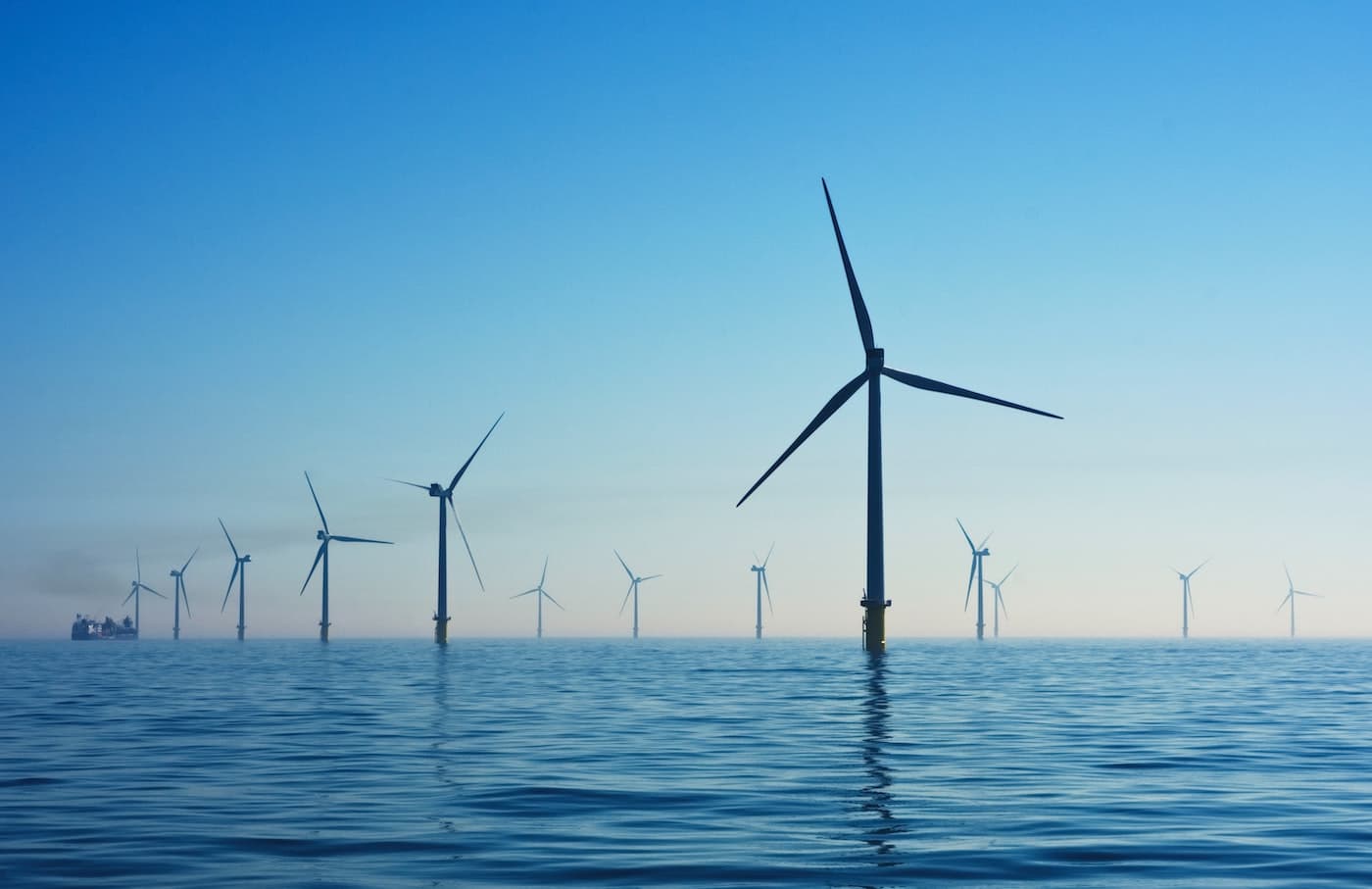
Offshore wind farm. Source: Unsplash
Markets have already reacted to the change
The election result was also immediately reflected in energy markets, although geopolitics played the leading role. Oil futures fell sharply on November 4, as investors viewed the Democratic victory as a factor reducing the risk of further US-Iranian escalation. S&P Global reports that the December WTI contract fell by $8.39 to $87.70 per barrel during the day, while January Brent fell by $9.58 to $94.02.
“The Democratic victory changes the political cost of continuing the war with Iran,”Rystad Energy chief economist Claudio Galimberti said.“With both chambers of Congress now able to pass resolutions, block funding for the war and delay the approval of nominations, the administration has less political room to continue on its current course and faces greater institutional pressure to reach an agreement on the Strait of Hormuz.”
Democrats make gains in oil-producing Texas
The election result affected more than the balance of power in Congress. In Texas, the largest oil producer in the United States, Democrats won a seat on the state’s oil and gas regulator, the Railroad Commission of Texas, for the first time since 1995. Democrat Jon Rosenthal was elected to the three-member regulatory body. The commission oversees, among other things, oil and gas production, pipeline safety and gas utilities.
Rosenthal wants to push for stricter oversight of gas companies’ costs and greater billing transparency. In the production sector, he is focused on curbing the flaring of excess gas, speeding up the closure of abandoned wells and tightening the financial requirements attached to new production permits.
His victory does not, by itself, signal a major shift in the regulation of Texas’s oil and gas sector. Republicans Christi Craddick and Wayne Christian hold the commission’s other two seats, so Rosenthal will need the support of at least one of them to advance his priorities.
Two years under greater scrutiny
The new balance of power does not necessarily mean conflict on every issue. There is broader bipartisan agreement on supporting domestic production and processing of rare earths. Disputes are more likely to concern specific projects, the terms of public support and how they are approved.
The main change in Washington, then, is not an immediate rewrite of Trump’s energy strategy. Democrats have gained tools to scrutinize its implementation, raise its political costs and, in some cases, slow it down. The White House faces more frequent hearings, demands for the release of documents and greater pressure to explain its agreements with energy companies.
The president, however, retains considerable latitude in areas such as foreign policy, regulation and trade measures. Trump is not losing control of his energy policy. But from January, he will be pursuing it before a Congress with a much greater incentive to keep a close eye on him.
Translation disclaimer
This article is a machine translation of the Czech original and has not yet been fully reviewed. In case of any doubt, please refer to the Czech version.
Sdílejte článek prostřednictvím:
You might also like


6 November 2026, 14:13

6 November 2026, 10:25