Electrolyser construction in Germany is stalling, with only a fraction of the required projects under way

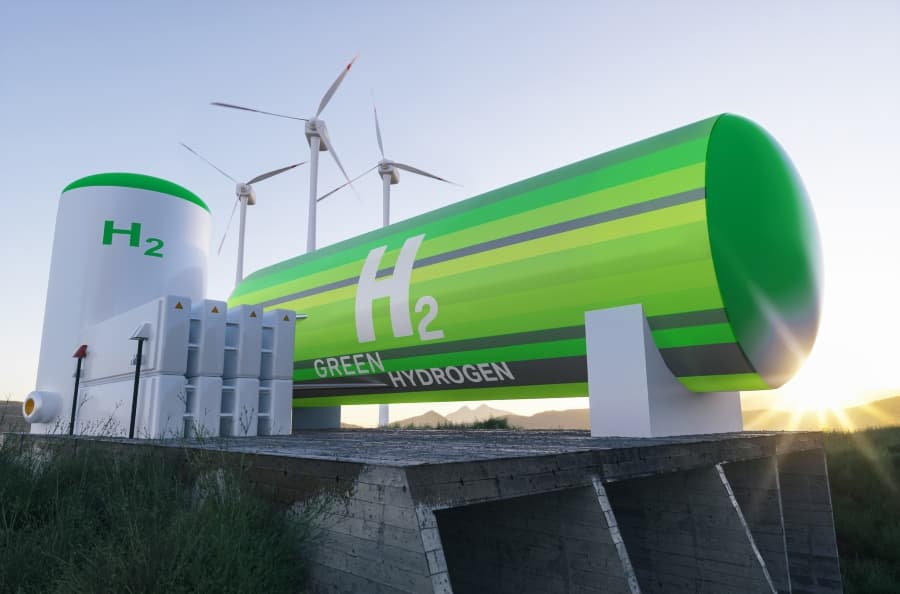
Germany has set ambitious targets for developing its hydrogen economy, just as it has for renewable energy and battery storage. While construction of wind and solar power plants continues and battery projects are gaining momentum, the situation is quite the opposite for projects involving the production of green hydrogen. According to an analysis by the Institute of Energy Economics at the University of Cologne, facilities with a capacity of less than 200 MW are operating in Germany, while the target for 2030 is 10 GW.
The development of a hydrogen economy is one of the key elements in decarbonising Germany’s energy sector and industry. Green hydrogen, produced by electrolysers using electricity from renewable sources, is expected to play the main role. Although imports are expected to cover a larger share of Germany’s needs for climate-neutral hydrogen and its derivatives, domestic production remains crucial to achieving the country’s climate targets.
According to an analysis by the Institute of Energy Economics at the University of Cologne (EWI), 22 projects with a total capacity of 1.3 GW are currently under construction or have reached a final investment decision. These facilities are expected to begin operating by the end of 2027. However, it is unclear whether they will be completed, or at least when they will begin operating. The report also states, according to news website Clean Energy Wire, that construction has not yet begun on 14 of the 20 facilities expected to start operating this year.
“Under the current conditions, the 10 GW target set out in the national hydrogen strategy is unlikely to be met,” Ann-Kathrin Klaas, an EWI hydrogen expert, told the German newspaper Handelsblatt.
The website also reported that last autumn, after publishing a monitoring report on progress in transforming the energy sector, Germany’s Ministry for Economic Affairs said it would scrap the 10 GW target for electrolyser capacity by 2030. Instead, the new strategy is expected to be more flexible, but the ministry has not yet published a draft.
The ministry also said it plans to revise programmes supporting the development of the hydrogen economy and will probably rely more on imports of climate-neutral hydrogen from countries with greater potential for generating electricity from renewable sources, such as Morocco. The previous German government had already expected imports to account for 50 to 70% of domestic demand, although this share could change.
Translation disclaimer
This article is a machine translation of the Czech original and has not yet been fully reviewed. In case of any doubt, please refer to the Czech version.




