28 October 2026, 13:08
Loading...
European Court of Auditors: EU targets for green hydrogen are unrealistic

oEnergetice.cz, ČTK
17 July 2024, 12:34
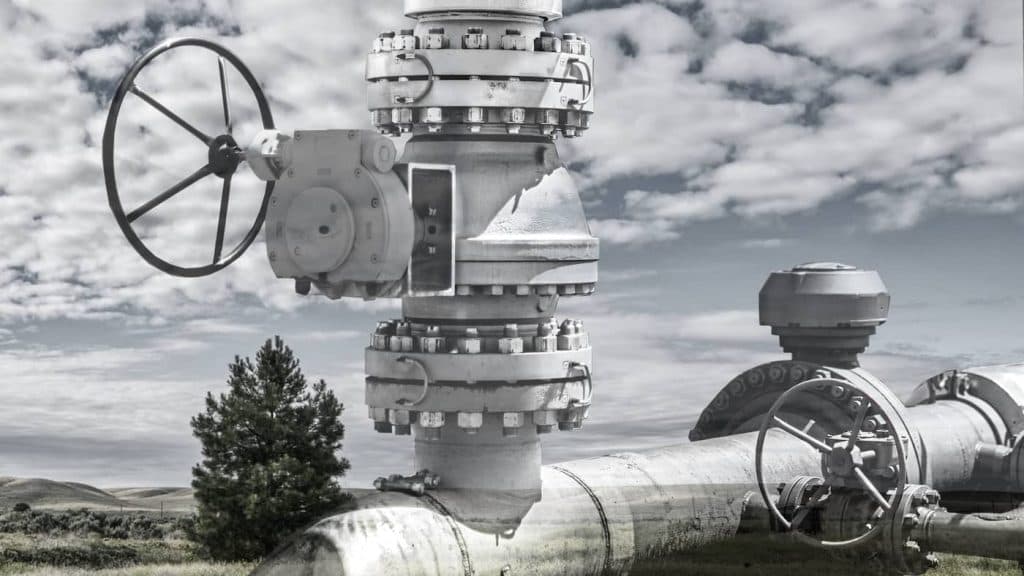
The European Union’s targets for producing and importing green hydrogen are unrealistic and are unlikely to be met, despite investments worth billions of euros. The European Court of Auditors (ECA) said so today in its report. The European Commission (EC) aims to produce ten million tonnes of renewable hydrogen and import a further ten million tonnes by 2030. Although these targets are not binding, they are part of the EU’s plan to end its dependence on energy imports from Russia.
According to the ECA, these targets are based more on „political will“ than on thorough analysis. The auditors say the EU is far from being able to meet them.
Another target set by Brussels is to install 40 gigawatts (GW) of renewable hydrogen electrolysers by 2030. According to the ECA, this idea was proposed by a hydrogen industry lobby group. Electrolysers use electricity to split water into hydrogen and oxygen in a process called electrolysis.
A European Commission spokesperson said the EC had taken note of the report and acknowledged that the hydrogen market is developing gradually. „Our work is far from over. We now need to accelerate the deployment and use of renewable and low-carbon hydrogen in Europe,“ the spokesperson said, according to Reuters.
Although the EU has provided €18.8 billion (CZK 476 billion) for green hydrogen projects, projects that have reached an advanced stage of development will increase production capacity by less than five GW by 2030. Projects with a total capacity of 50 GW are also at an early assessment stage.
„The EU’s industrial policy on renewable hydrogen needs a reality check,” said Stef Blok, the ECA member responsible for the audit. The European Commission should propose a more targeted approach to allocating EU funds and update the rules for supporting hydrogen projects, the ECA said.
Green hydrogen is considered important for meeting the EU’s climate commitments. In its production, electrolysers use electricity generated from renewable sources, meaning the process produces no carbon dioxide emissions. The EU is relying on green hydrogen to decarbonise industrial processes such as steel and fertiliser production.
Translation disclaimer
This article is a machine translation of the Czech original and has not yet been fully reviewed. In case of any doubt, please refer to the Czech version.
Sdílejte článek prostřednictvím:
You might also like

28 October 2026, 11:10

28 October 2026, 09:08