10 November 2026, 10:23
Loading...
GasNet joins Czech hydrogen cluster in northern Moravia
oEnergetice.cz
18 January 2024, 20:39
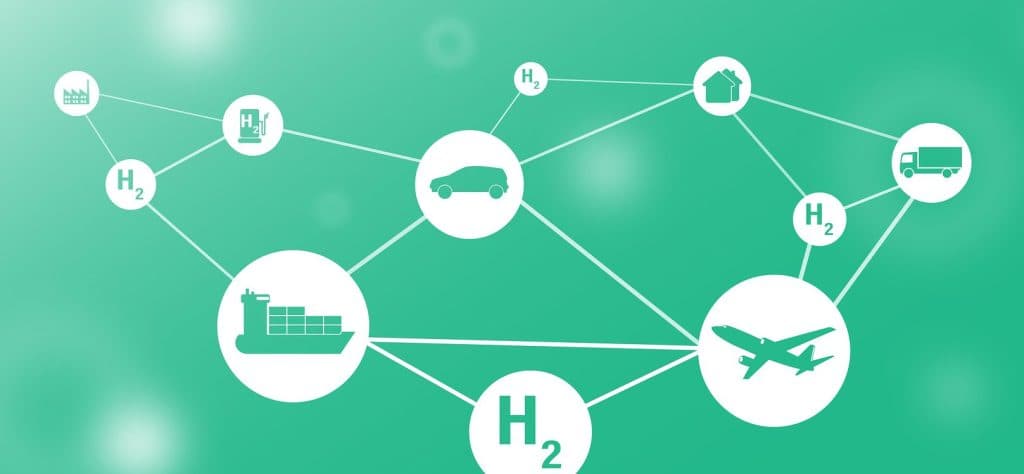
The Moravian-Silesian Region is among the pioneers of hydrogen technologies in the Czech Republic. A comprehensive hydrogen valley project is taking shape here, covering the production and distribution of this renewable green gas, as well as its practical use in industry and transport. The country’s largest gas distributor, the GasNet group, has also joined the cluster.
The Moravian-Silesian Hydrogen Cluster brings together representatives of the region, universities and private companies. Its strategic goal is to create a functioning economic system for the hydrogen production and distribution chain in the region within 10 years. It encompasses all activities, from hydrogen production and storage to distribution and consumption. The country’s largest gas distributor, the GasNet group, has now joined the cluster. In the Moravian-Silesian Region, it operates a public gas distribution network and uses its pipelines to deliver gas to end users.
“Europe is pursuing decarbonisation. It aims to become climate-neutral by 2050, and we welcome this direction. Our plan is to gradually replace natural gas with hydrogen. It is clean, renewable energy. What’s more, hydrogen is an excellent medium for storing and transmitting energy,” says Alexander Lužný, who heads the innovation department at GasNet.
This year, the Karlovy Vary, Ústí nad Labem and Moravian-Silesian regions signed a joint hydrogen memorandum. GasNet is already preparing its own hydrogen-related projects in all three regions, which are among the leaders of the hydrogen revolution in Czechia. These include plans to connect hydrogen production facilities to gas distribution pipelines, as well as pilot projects to inject hydrogen into natural gas in the regular distribution network.
“We are currently preparing two projects in the Moravian-Silesian Region in cooperation with other cluster members. They concern local hydrogen production and its subsequent blending with natural gas in the distribution network,” adds Alexander Lužný of GasNet.
A green future for the gas industry
Hydrogen plays a key role in the long-term strategy of the country’s largest gas distributor. It represents a green, renewable future for the Czech gas industry. The Czech energy sector cannot do without gas. Thanks to its properties, gas is essential to Czech industry and, in turn, to the entire Czech economy.
An amendment to the Energy Act, which came into force in January, also listed hydrogen among the gases that can be distributed through the gas network.
“Hydrogen is now covered by the same legal framework as natural gas. This is a clear signal from the state to all market players that hydrogen is part of the plan and that they can begin making more substantial investments in the use of this low-emission gas, which we simply cannot do without in the long term,” says Pavel Dočekal, who is responsible for legislative affairs at GasNet.
GasNet has been investing in the modernisation of its entire gas network for many years. As a result, it can already distribute natural gas containing a 20% hydrogen blend. In the future, however, it wants to reach 100% and replace natural gas entirely with hydrogen. The country’s largest distributor is already preparing a connection process for hydrogen production facilities.
Hydrogen for industry and transport
In northern Moravia, plans for hydrogen production also include using waste materials, such as mine and coke-oven gases or coal slurries—waste that is mostly burned inefficiently today, harming the environment.
The cluster has more than thirty members, including ČEPRO, Hyundai, Vítkovice machinery works, chemical company BorsodChem, Tatra, the city of Ostrava and Czech Railways.
For example, local manufacturer Tatra has already unveiled its hydrogen-powered truck to the public. Ostrava also became the first place in the Czech Republic to open a public refuelling station for hydrogen-powered cars. But beyond transport, the transformation of the coal region into a hydrogen valley is focused mainly on industry and district heating, both of which depend on gas. The readiness of the distribution network is crucial in these sectors: hydrogen must be delivered from production facilities to where it is consumed.
Translation disclaimer
This article is a machine translation of the Czech original and has not yet been fully reviewed. In case of any doubt, please refer to the Czech version.
Sdílejte článek prostřednictvím:
You might also like
10 November 2026, 09:48

10 November 2026, 06:21