
17 October 2026, 13:09
Loading...
Germany's hydrogen strategy needs a complete overhaul, government auditors warn

Eduard Majling
30 October 2025, 10:51
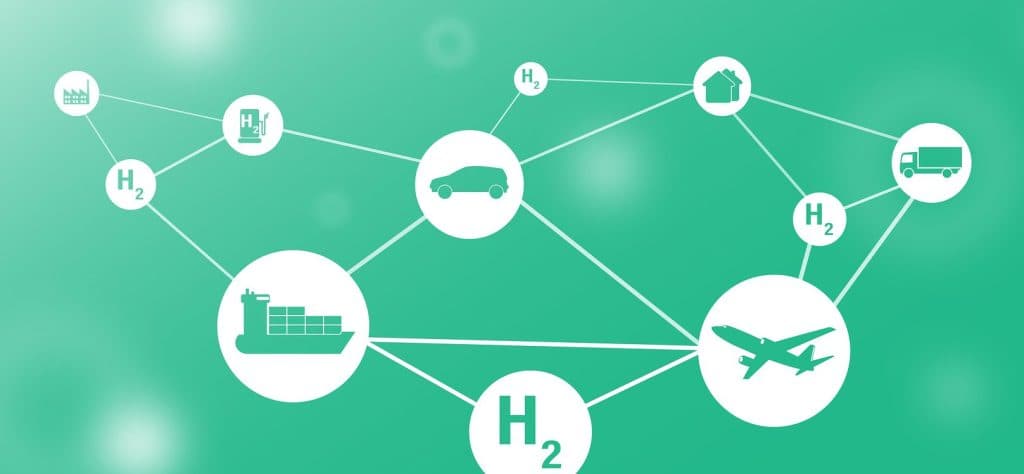
In recent years, many governments and industries have focused their attention on hydrogen, particularly in connection with decarbonization. Germany is no exception, and has ambitious plans for the use of hydrogen. However, according to auditors at the German Federal Court of Auditors, which oversees the German government’s finances, the country’s hydrogen strategy needs significant changes. The auditors warn that its current direction carries risks of high costs and impacts on the government budget.
The European Union and many of its member states have high hopes for a hydrogen economy that will help decarbonize their energy sectors. In addition to seasonal storage for renewable energy, hydrogen is also expected to offer a way to decarbonize industrial processes that commonly use hydrogen produced from natural gas.
However, the development of a hydrogen economy is still at a very early stage, and infrastructure for producing, storing and transporting hydrogen needs to be built. Calls for greater support for the hydrogen sector have also come from industry associations. For example, the German Association of Energy and Water Industries (BDEW) is urging the German government not to miss the boat on developing the hydrogen economy.
The hydrogen sector, however, has recently fallen on hard times, with most of the capacity awarded in the EU’s second hydrogen auction being withdrawn. The withdrawn projects, with a combined capacity of 1.9 GW, account for around 80% of the volume awarded in the auction. The largest successful project, Zeevonk, with a capacity of 560 MW, was also withdrawn after its developers said it could not be completed under the stated conditions.
Germany will miss targets without a strategy overhaul; costs are unsustainable
Germany’s Federal Court of Auditors has now sounded the alarm, with its auditors warning that the country risks missing its 2030 targets if it continues on its current course. The auditors warn, according to Reuters, that without changes to the current strategy, Germany will miss its target for domestic green hydrogen production, while planned imports will not be enough to make up for low domestic output.
“It is time to face reality,” Federal Court of Auditors President Kay Scheller said in the report, stressing that both demand and supply in the hydrogen sector, particularly in the steel industry, remain far below initial expectations despite billions in subsidies.
The auditors also warn of the risks associated with high green hydrogen prices, saying that continued support for the sector could place unsustainable pressure on the government budget. They estimate that the cost of importing green hydrogen alone could reach between 3 and 25 billion euros by 2030.
Translation disclaimer
This article is a machine translation of the Czech original and has not yet been fully reviewed. In case of any doubt, please refer to the Czech version.
Sdílejte článek prostřednictvím:
You might also like




16 October 2026, 10:16