
8 November 2026, 13:59
Loading...
Japan to test hydrogen co-firing at a gas-fired power plant

Eduard Majling
29 November 2023, 11:06
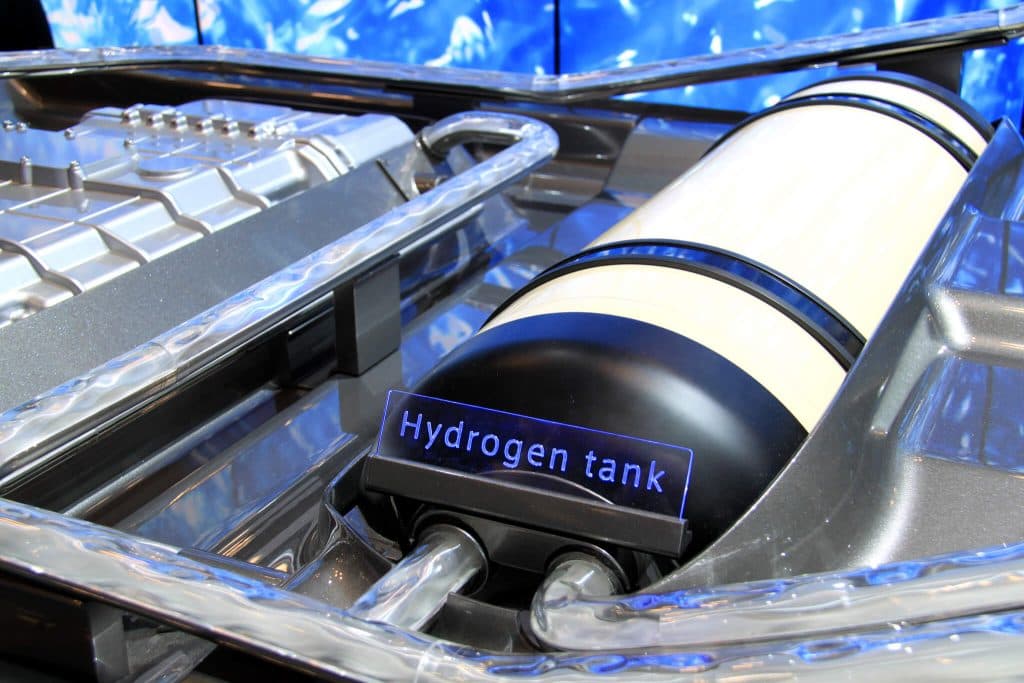
Japanese company Okinawa Electric Power plans to test hydrogen co-firing at one of its gas-fired power plants over the course of next year. According to the company’s president, hydrogen will be burned to reduce carbon dioxide emissions. If the process is validated during the trial, hydrogen could be burned regularly in the gas turbine.
The use of hydrogen in the energy sector has attracted increasing attention in recent years, particularly as a potential means of storing energy from renewable sources. However, for hydrogen technologies to develop successfully, their potential needs to be tested across the entire supply chain, including at the facilities that will ultimately burn it.
Japanese company Okinawa Electric Power is also planning to test the combustion of a hydrogen-enriched fuel blend, according to Reuters, at its Yoshinoura power plant. The plant has two combined-cycle units, each with an installed capacity of 251 MW, and one gas turbine with a capacity of 35 MW.
The 35 MW turbine, which is designed to burn various types of fuel, including liquefied natural gas and liquid fuels, will be used to test hydrogen co-firing. Hydrogen is expected to make up 30% of the fuel burned.
“Introducing hydrogen co-firing technology is a key initiative that could help us achieve two goals: expanding the use of renewable energy and reducing CO2 emissions,” company president Hiroyuki Motonaga said, according to Reuters.
Hydrogen co-firing is expected to be tested sometime between April and September next year. The plant operator said that during the trial, it will burn hydrogen produced as a by-product at local chemical plants, as well as compressed hydrogen from other sources.
Translation disclaimer
This article is a machine translation of the Czech original and has not yet been fully reviewed. In case of any doubt, please refer to the Czech version.
Sdílejte článek prostřednictvím:
You might also like

8 November 2026, 08:10
7 November 2026, 17:23

7 November 2026, 13:37