
28 October 2026, 15:10
Loading...
US to dominate low-emissions hydrogen production by 2030, study says

Jan Budín
1 June 2024, 08:31
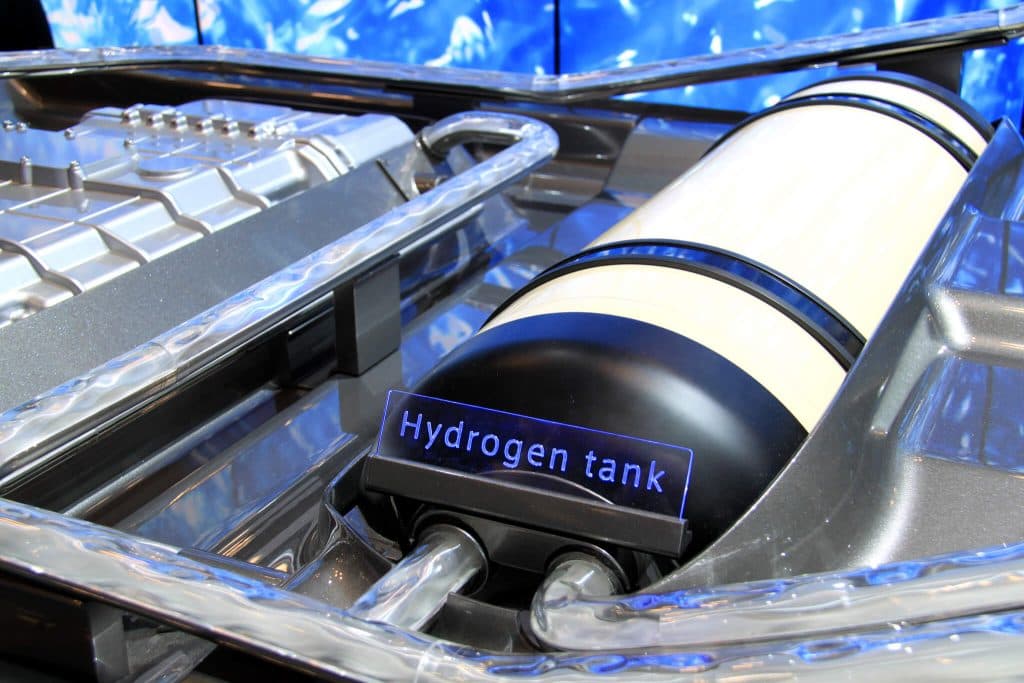
BNEF researchers expect a sharp increase in low-emissions hydrogen production by 2030, from around 0.5 million tonnes/year (around 16.5 TWh) today to more than 16 million tonnes/year (around 530 TWh). However, they also note that even this expected growth will not be enough to meet national governments’ targets.
BNEF researchers estimate, based on the data they have collected, that more than half of low-emissions hydrogen production will come from so-called green hydrogen, produced by electrolysing water using electricity from renewable energy sources. So-called blue hydrogen is also expected to play a significant role. It is produced from natural gas using carbon capture and storage technologies.
"Most support policies favour green hydrogen, but favourable economics, demand in Asia and a pipeline of ready-to-build projects will also support large volumes of blue hydrogen," BNEF said.

Low-emissions hydrogen production outlook to 2030. Source: BNEF
China, Europe and the US as major producers
The published data also show that China, Europe and the United States are expected to account for more than 80% of low-emissions hydrogen production in 2030. The United States is expected to become the leading producer of low-emissions hydrogen over this period, with a 37% share of global production.
"The US has most of the projects ready to go, led by large blue hydrogen production projects that are likely to benefit from tax credits," BNEF added.
Other regions, such as Latin America and Australia, are expected to play a smaller role in low-emissions hydrogen production by 2030, particularly because of insufficient government support there.

Low-emissions hydrogen production outlook by region. Source: BNEF
Government targets are unlikely to be met
BNEF researchers expect that the anticipated development will not be enough to meet government targets for hydrogen demand. In addition to insufficient demand-side support, one factor is the long time it takes to bring planned production projects to completion.
BNEF expects that fewer than a third of the around 1,600 low-emissions hydrogen production projects announced so far will be operational by 2030.
Developments in China remain a major unknown. Unlike in other regions, projects there are not announced at an early stage, and their development depends to a large extent on the ruling party’s targets.
"Since China accounts for 38% of projected electrolyzer capacity, any changes could significantly affect global capacity in 2030," BNEF added. The organization expects around 95 GW of electrolyzers for green hydrogen production to be operational worldwide in 2030.
Translation disclaimer
This article is a machine translation of the Czech original and has not yet been fully reviewed. In case of any doubt, please refer to the Czech version.
Sdílejte článek prostřednictvím:
You might also like

28 October 2026, 13:08

28 October 2026, 11:10

28 October 2026, 09:08
