
28 October 2026, 15:10
Loading...
Australia and nuclear energy: Opposition highlights future potential

Libor Láník
13 March 2024, 14:41
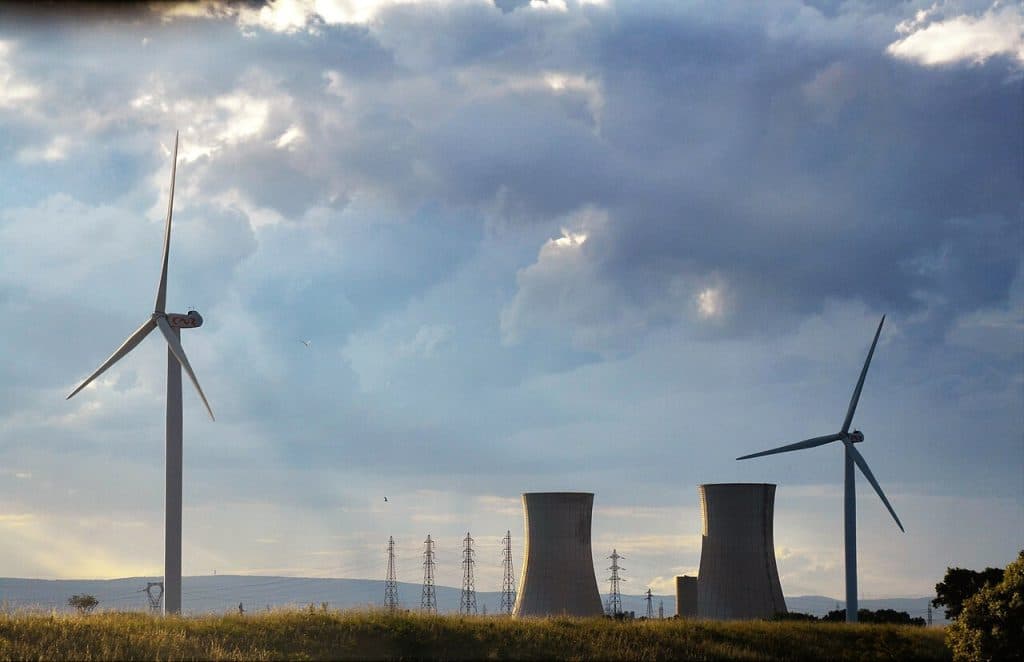
Australian opposition politicians have opened a debate on introducing nuclear power into the national energy mix, although nuclear energy is prohibited by law in the country. Energy Minister Chris Bowen has also weighed in on the issue. He called the opposition, which is likely to include plans for nuclear power in its election platform, dreamers. Next year's election may indicate the direction the country will take as it continues to rely heavily on fossil fuels. According to Bowen, the answer is unquestionably renewables; the opposition takes a different view.
First, it is worth noting that nuclear energy is something of a taboo in Australia, even though the island nation can boast some of the world's largest uranium reserves. Australia is also rich in coal, which currently accounts for 47% of the 68% share of fossil fuels in the energy mix.
In light of the global trend, however, a gradual shift away from these fuels is inevitable for Australia too. There are essentially two possible paths for the future: continuing to build renewable energy sources, or constructing nuclear power plants on the sites of decommissioned coal-fired plants. In the latter case, all regulation and legislation would have to be established from scratch.
Renewable energy
Renewables are the primary path pursued by the federal government, led by Prime Minister Anthony Albanese. Before the last election, the Australian Labor Party (ALP) announced its “Labour's Rewiring the Nation” policy, which aims to increase renewables' share of electricity generation in Australia to 82% by 2030—a very ambitious target. The Australian think tank Blueprint Institute has also called for an accelerated energy transition.
A report from the institute calls for the accelerated deployment of batteries, solar, onshore wind and pumped hydro, alongside the necessary development of transmission infrastructure. It also sets out five key issues related to a successful transition. The first concerns meeting the Paris criteria, directly linked to Australia's international standing and reputation. The second calls for the removal of barriers to new investment. The third aims to ensure a fair transition for those most affected by the shift away from coal: coal communities. The penultimate area emphasizes further energy research and development, alongside commercialization. The final issue covers the adoption of green hydrogen.
On the current debate, Energy Minister Bowen said he has offers from the world's largest renewable energy companies waiting in the wings, unlike nuclear companies. He also noted that Australia has the best conditions for renewables, and that the opposition's “nuclear fantasy” would be an own goal in sporting terms. Finally, he questioned the time and cost involved in any potential construction.
Nuclear power
The opposition Coalition, made up of the Liberal and National parties and led by Peter Dutton, would take a different path. Its immediate goal is to lift the ban on nuclear power plants in Australia. At the same time, it is working to identify up to six suitable sites at coal-fired power stations due to close.
Dutton sees nuclear power as a credible way to achieve carbon neutrality by 2050. It is worth noting, however, that the opposition's plans have yet to go into much detail, although they do not rule out using either large or small reactors. This path would make clear sense given Australia's uranium reserves and the resulting potential for self-sufficiency; there would also be no shortage of water for cooling. Politicians are likely to offer voters a more concrete vision as the election campaign unfolds.
The opposition's proposal has prompted mixed debate. The opposition promises to prevent periods when wind and solar output is low, as well as to deliver the project quickly, within 10 years. This does not align with experience elsewhere in the world, where similar processes usually take much longer. The proposed timeline may therefore not be economically realistic. Further doubts concern the economic viability of a power plant that needs to operate almost continuously. Low-cost renewables in Australia would likely undermine the market value of nuclear generation.
The potential for nuclear power plants in Australia remains uncertain, and based on the arguments presented so far, the possible benefits do not outweigh the risks. If the ban on nuclear power is lifted after all, small modular reactors, for example, could be expected to play some role.
Translation disclaimer
This article is a machine translation of the Czech original and has not yet been fully reviewed. In case of any doubt, please refer to the Czech version.
Sdílejte článek prostřednictvím:
You might also like

28 October 2026, 13:08

28 October 2026, 11:10

28 October 2026, 09:08
