Austria reviews options for cancelling gas contract between OMV and Russia’s Gazprom
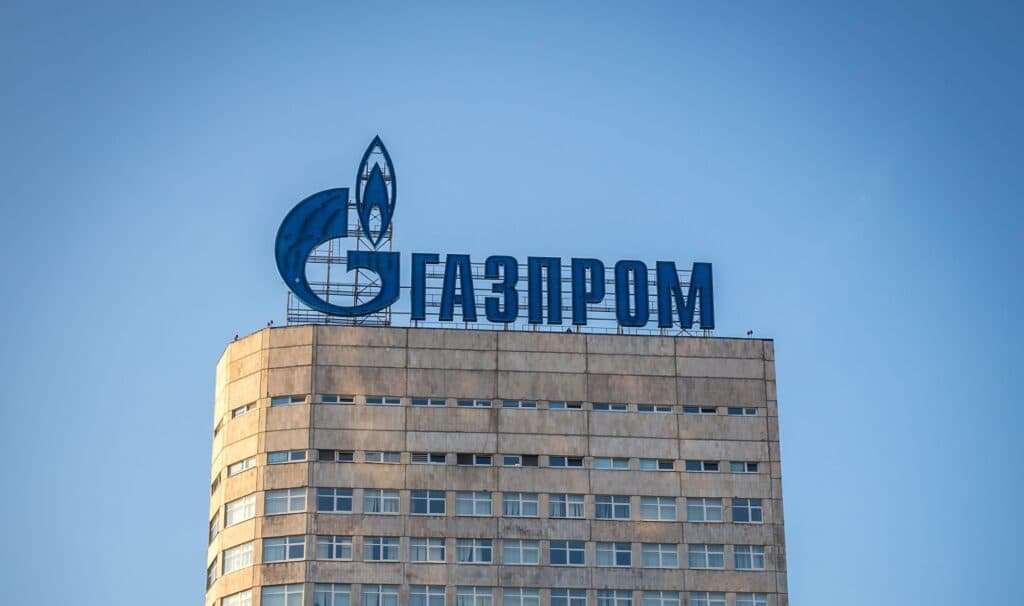
Austria has set up a working group of independent experts to review options for terminating the long-term gas supply contract between OMV and Gazprom. Its aim is to find a legal basis for cancelling the contract and assess the political context in which it was signed in 2018. The issue is politically sensitive ahead of the autumn elections,report Euractiv and Montel.
Austria still imports more than 90% of its gas from Russia, despite a decline in overall demand. The long-term contract with Russia’s Gazprom obliges OMV to take 6 billion cubic metres (bcm) a year until 2040—almost all of Austria’s gas consumption. The contract is based on the “take-or-pay” principle, meaning OMV must pay Gazprom whether or not it takes the gas.
Austria has been looking for ways to terminate the contract for some time. In February this year, Austrian Energy Minister Leonore Gewessler commissioned the economic think tank Wifo to produce a study on the economic impact of ending the contract. Last Tuesday, the Gas Independence Commission began work, with the aim of examining the long-term contract with Russia’s Gazprom.
“Our dependence on Russian gas supplies remains a key threat to our energy security. We must draw two lessons from this: make progress towards independence and learn from the mistakes of the past. We have a responsibility to do better in the future. This commission should help us do that,” Gewessler said at a press conference announcing the Gas Independence Commission.
The commission’s head, former president of Austria’s Supreme Court Irmgard Griss, said the working group would examine options for cancelling the agreement between OMV and Gazprom. As the Austrian government owns only a minority stake in OMV, it is not yet clear how the contract could be terminated. The group will also examine the political background to the contract’s signing in 2018, in the presence of then-Chancellor Sebastian Kurz.
There is no risk of supply interruptions for customers
One problem is that the contract with Gazprom is confidential, even to lawmakers. Apart from its basic parameters, no other terms are known. However, under an agreement between the Austrian government and OMV, commission members will be given access to the confidential contract. The legal basis for access is provided by EU gas supply rules, the ministry said in a statement.
OMV stresses that Russian gas is not sanctioned by the European Union, and that lawmakers must establish a legal basis if they want to stop taking it. This would require a two-thirds majority in parliament.
Earlier this year, however, OMV said it could meet its customers’ needs even if supplies from Russia were interrupted. Supply restrictions to Austria are expected around the turn of the year, when the transit agreement between Russia and Ukraine is due to expire. OMV has also warned, however, that supplies could be halted earlier, as payments to Gazprom could be stopped following enforcement of an arbitral tribunal ruling.
The situation could change after the election
The energy ministry plans to introduce a requirement for companies selling gas in Austria to take steps to reduce the share of Russian gas in their supply portfolios.
With parliamentary elections approaching and the gas transit agreement between Russia and Ukraine due to expire in January 2025, the working group is a politically sensitive matter. The far-right FPÖ is currently leading in the polls. It previously signed a friendship agreement with Vladimir Putin’s United Russia party and opposes moves away from Russian gas. It is therefore unclear how a possible new government will respond to the commission’s findings.
The commission will begin its work as soon as possible and present its first findings in the autumn. Its final report is due by the end of the year.
Translation disclaimer
This article is a machine translation of the Czech original and has not yet been fully reviewed. In case of any doubt, please refer to the Czech version.