10 October 2026, 07:37
Loading...
China pledges to cut emissions, Europe calls for greater ambition
Veronika Jurcová
30 September 2025, 06:07
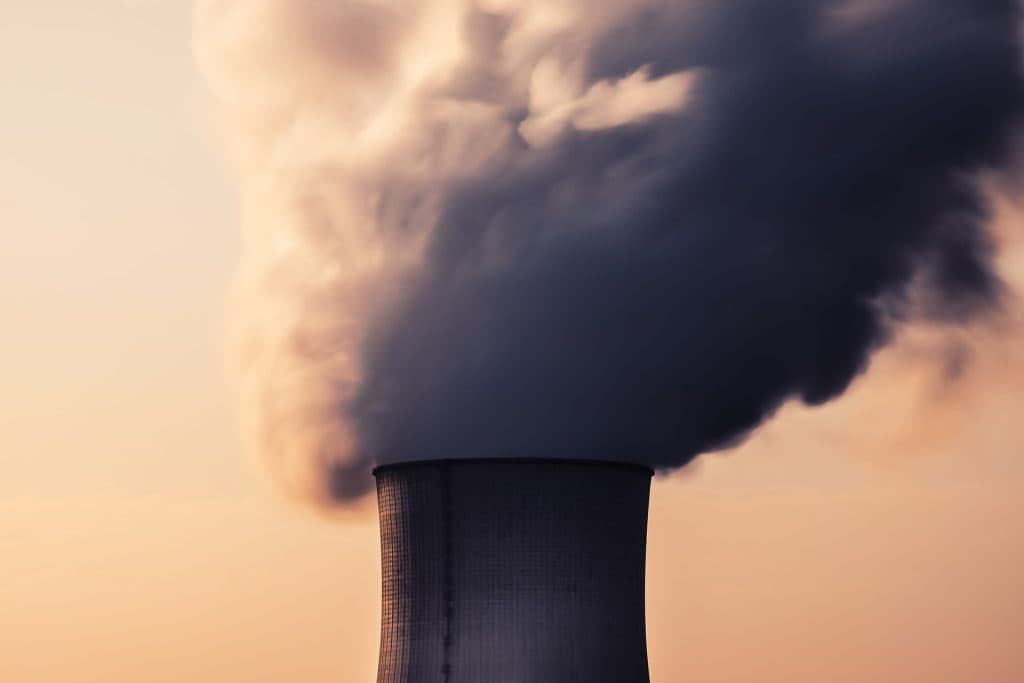
China pledged on Wednesday at the United Nations General Assembly to cut its total greenhouse gas emissions by 7–10% from peak levels by 2035. President Xi Jinping thus set out the country’s most specific near-term commitment to date. China is the world’s largest emitter of climate-warming gases, reports Argus Media.
The new target builds on China’s earlier pledges to peak emissions by 2030 and achieve carbon neutrality by 2060. Chinese officials say the country has a track record not only of meeting its climate pledges but also of exceeding them. Beijing also pledged to increase the share of energy from non-fossil sources to 30% of total consumption, raise the installed capacity of wind and solar power to 3600 GW, accelerate the shift to electric vehicles and expand its emissions trading system.
The signal of the country’s climate ambitions comes ahead of the UN climate summit COP 30 in Belém, Brazil, in November. Talks will focus primarily on climate finance, biodiversity protection and the transition to clean energy, with a key issue being delivery on the COP29 goal of providing USD 300 billion a year in public finance by 2035 and then mobilising USD 1.3 trillion in private investment.
UN Secretary-General António Guterres said COP 30 must deliver a credible global plan to put the world on track to meet the Paris Agreement.
International reactions
Reactions from the international community were mixed. The European Commission called China’s pledge insufficient, reports Euractiv. Climate Commissioner Wopke Hoekstra stressed that, in China’s case, the target was disappointing and made achieving global climate goals much more difficult.
He said Europe must continue to press Beijing to raise its ambition and meet the shared commitments under the Paris Agreement. European Commission President Ursula von der Leyen reaffirmed the EU’s determination to pursue ambitious climate action in New York, despite disagreements among member states over specific targets.
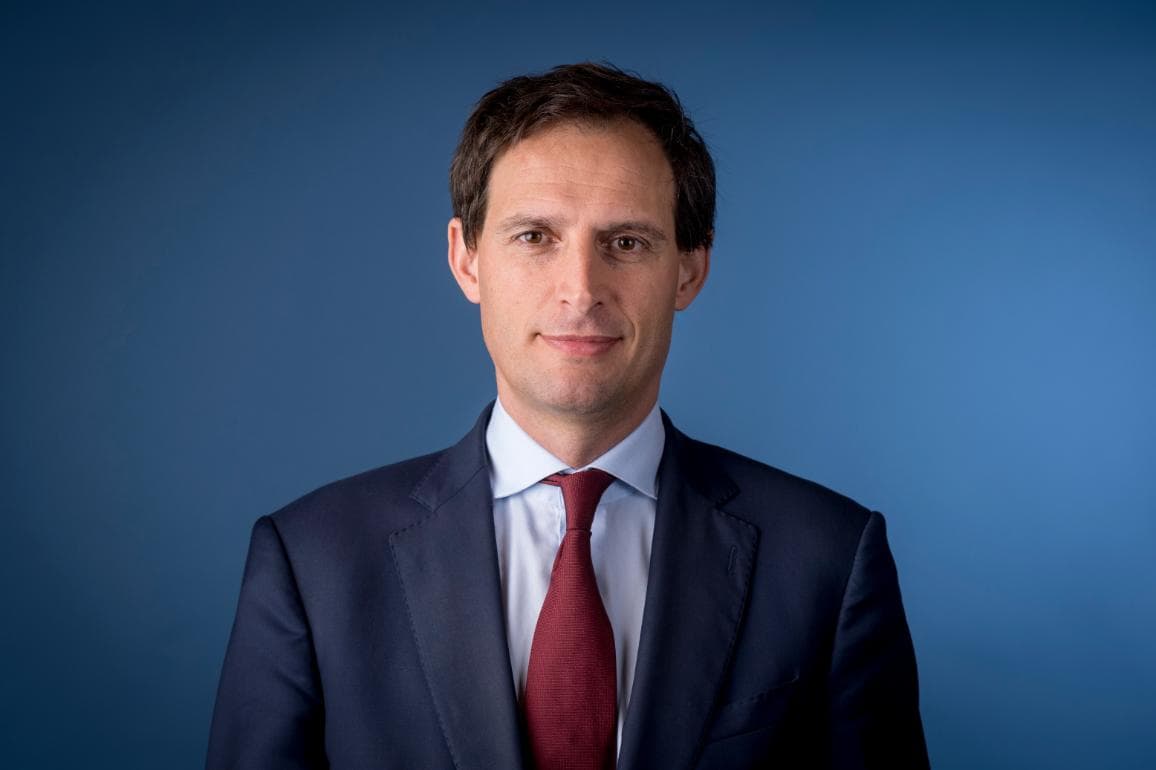
Source: EP. Wopke Hoekstra, European Commissioner for Climate, Carbon Neutrality and Clean Growth
“This level of ambition is clearly disappointing and, given China’s enormous environmental impact, makes achieving the world’s climate goals much more difficult,” said Climate Commissioner Wopke Hoekstra.
Analysts and environmental organisations also expressed disappointment. Kate Logan of the Asia Society Policy Institute said China had missed an opportunity to take a leadership role. According to Belinda Schäpe of the Centre for Research on Energy and Clean Air, emissions would need to fall by around 30% from 2024 levels for the country to align with the goals of the Paris Agreement.
Others, however, said the target could represent only a minimum threshold. Lauri Myllyvirta of the same centre noted that the rapid growth of low-emission energy sources alone could lead to significantly larger emissions cuts, even without additional policy measures. Bernice Lee of the UK’s Chatham House pointed out that China invested 625 billion dollars in zero-emissions power generation last year, accounting for 31% of global investment.
On the other hand, alongside its increased investment in clean energy, China has also invested heavily in coal-fired power plants. In the first half of 2025, it brought a record 21 GW of new coal-fired power plants into operation, and estimates suggest it could add as much as 80 GW over the full year, the highest figure in a decade. Although the country says it is gradually reducing its use of coal, researchers warn that capacity payments, rigid dispatch and the absence of a clear phase-out plan will keep coal a key energy source in the coming years.
The debate over the new target highlights tensions between the rising ambitions of some actors and concerns that the world is still not moving fast enough. Simon Stiell, Executive Secretary of the UN Framework Convention on Climate Change, nevertheless viewed China’s announcement more positively. In his view, it signals that the global economy of the future will be built on clean energy, and China’s record on climate policy suggests that actual progress could exceed the pledges made on paper.
Translation disclaimer
This article is a machine translation of the Czech original and has not yet been fully reviewed. In case of any doubt, please refer to the Czech version.
Sdílejte článek prostřednictvím:
You might also like
10 October 2026, 07:02

9 October 2026, 13:47