China to accelerate renewable energy development, hoping to meet emissions commitments
China said it will prepare a package of major projects to tackle climate change as part of efforts to make 2030 the year when its carbon dioxide emissions peak and to achieve carbon neutrality by 2060. According to its annual bulletin, China remains committed to achieving carbon neutrality by 2060.
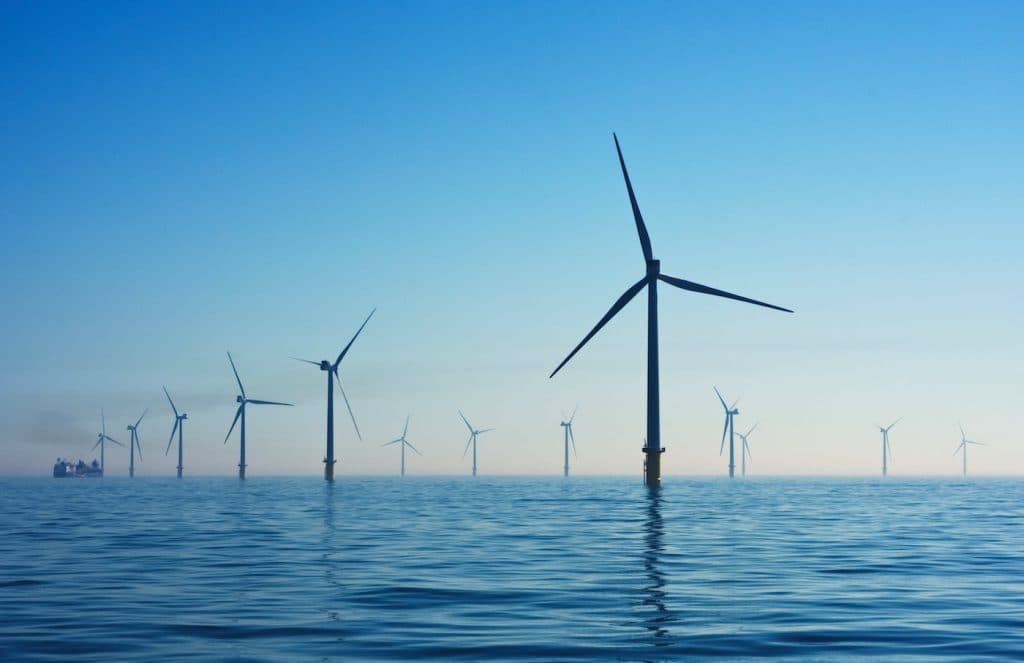
The world’s largest greenhouse gas emitter said it would develop new offshore wind farms and accelerate the construction of “new energy bases” in vast desert areas. The National Development and Reform Commission of the People’s Republic of China (NDRC), which plans the country’s economic outlook, said this in an official report released on Wednesday. Reuters reports.
Targets missed
The report comes after Chinese authorities released information indicating that the country is likely to fall short of its commitment to reduce emissions intensity by 18% per unit of economic growth during the current 2021-2025 five-year plan.
China’s National Bureau of Statistics said in its annual bulletin some time ago that the country had reduced its carbon intensity by 3.4% last year, contributing to this target, against an original target of 3.9%.
The NDRC said that the 3.4% reduction in carbon emissions per unit of economic growth last year “fell short of expectations”, blaming rapid growth in energy consumption and extreme weather.
“China will work actively and prudently to achieve peak carbon emissions and carbon neutrality,” the report said.
Hydropower project
Hydropower is one of China’s main sources of renewable energy. The state planning agency’s report also features the controversial $137 billion hydropower project on the Yarlung Tsangpo River in Tibet. It is expected to harness the steep terrain of the river valley to generate 300 TWh of electricity a year, enough to supply up to 300 million people in China.
The project, part of China’s 14th five-year plan, was approved in January despite concerns in India about its possible impact on downstream water flows.
The country also said it plans to build a direct electricity transmission route linking Tibet with Hong Kong, Macao and Guangdong in the southeast.
Coal mining
Although China is trying to balance support for economic growth with meeting its environmental targets, coal will remain a key fuel despite all its efforts. The NDRC report says the country will continue to increase coal production and supply this year, while planning trials of low-carbon technologies at coal-fired power plants and supporting initiatives to replace fossil fuels with renewables.
“Despite a world-record expansion of renewables, the uncomfortable truth is that the Chinese economy has not become much more energy-efficient in recent years,” said Yao Zhe, global policy adviser at Greenpeace in Beijing.
Translation disclaimer
This article is a machine translation of the Czech original and has not yet been fully reviewed. In case of any doubt, please refer to the Czech version.




