Energy shock and weakened rupee: India under pressure from global oil prices
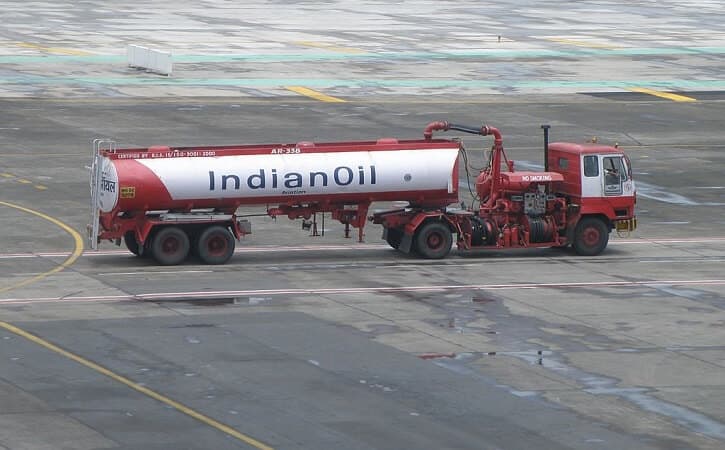
Indian Prime Minister Narendra Modi has urged citizens to save fuel. While India’s foreign exchange reserves and currency are under pressure from high energy prices, its citizens have so far been partly shielded from the impact. That will likely have to change now.
Modi’s Bharatiya Janata Party recently won elections in several Indian states, further weakening the opposition. The victory in West Bengal was particularly significant, as the ruling BJP has traditionally struggled in the state, where Hindu nationalism has faced strong opposition.
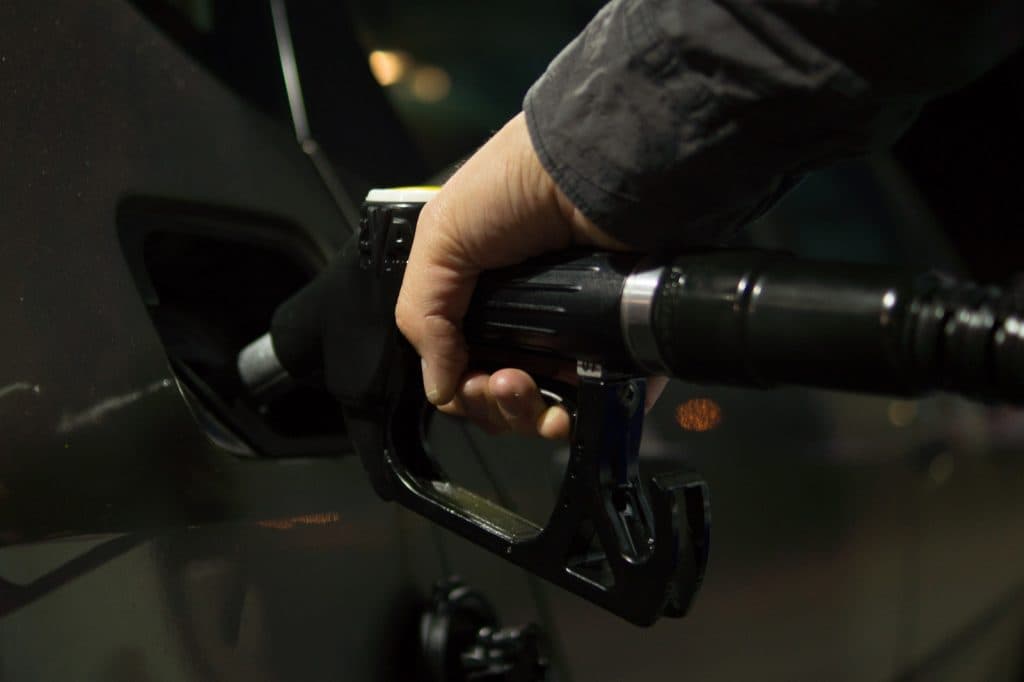
The elections may also have been why the prime minister delayed implementing policies that could prove unpopular with some Indians. Now that the elections are over, he can speak more openly about them. He has urged citizens to cut their consumption of petrol and diesel and those who can to use public transport.
Neeraj Mittal, secretary at the Ministry of Petroleum and Natural Gas, sought to calm fears on Monday, saying that India has sufficient stocks of petrol, diesel and LPG and that fuel rationing is not on the cards. He said the state had absorbed part of the shock and secured additional energy supplies.
Geopolitics
India is one of the world’s largest consumers of oil and, consequently, one of its largest importers. A large share of its oil came from Russia. Last year, the US tried to wean India, a key customer of Russia’s sanctioned oil industry, off this supply relationship, with some success. But the outbreak of war in Iran prompted a reversal, as disruptions in the Middle East forced India to turn to Russia again. The US even suspended sanctions on some Russian oil in an effort to ease global prices.
Although India currently has sufficient reserves, prices could become a problem. For now, the state and companies are absorbing most of the losses, so fuel prices for Indians have not changed significantly. How long this situation can last, however, is an open question. The government has so far cut fuel taxes while increasing taxes on exports of these commodities. It is trying to prevent inflation from spreading across the economy. But if the crisis drags on, the resulting price increase could be much steeper and more painful.
Economy and foreign exchange reserve crisis
In the same speech in which Modi called for energy savings, he also urged Indians to limit their purchases of gold from abroad and travel overseas less. The Indian currency is among those most severely hit by the shock triggered by the war in Iran. The country’s foreign exchange reserves have fallen by five percent, a decline the Reserve Bank of India has tried to slow by selling dollars from its reserves. Capital has also recently flowed out of Indian stock markets.
India was one of the world’s fastest-growing economies, so the impact of the current energy shock is likely to be significant. Many economists and institutions are already lowering their forecasts for Indian economic growth this year. From fuel price increases and shortages to effects on agriculture, a lack of fertilisers and pressure on foreign exchange reserves, the world’s most populous country faces a host of challenges this year.
Translation disclaimer
This article is a machine translation of the Czech original and has not yet been fully reviewed. In case of any doubt, please refer to the Czech version.