
28 October 2026, 15:10
Loading...
Germany shut down seven lignite units over Easter

David Vobořil
1 April 2024, 06:49
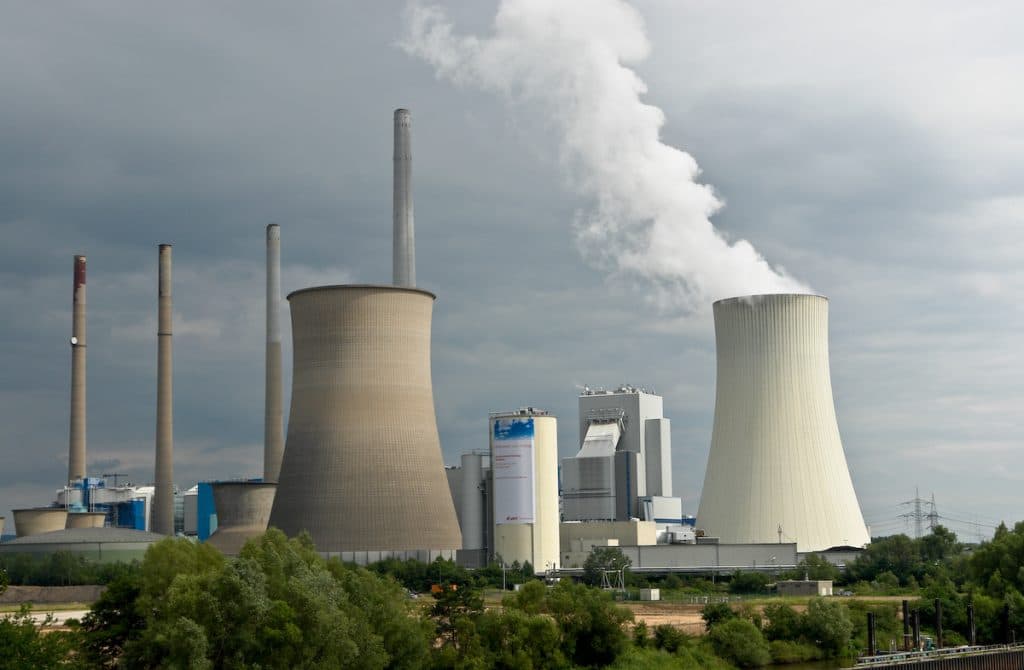
At the end of March, seven lignite-fired power plant units in Germany were permanently shut down. The closure of all the units had been planned earlier, but was postponed to save gas after the energy crisis broke out.
As planned, Germany shut down seven lignite-fired units with a total installed capacity of 3,1 GW at the end of March. Their operation had been extended during the energy crisis to save natural gas in electricity generation.
Five units were released from the security reserve, while two others were allowed to continue operating beyond their originally planned final shutdown date. This meant they could sell electricity on the wholesale market until the end of March.

Germany’s Neurath lignite-fired power plant. Source: RWE
According to Germany’s network regulator (BNetzA), power plants with a total capacity of 245 GW were on the market in Germany in November. Of this, approximately 159 GW came from renewable energy sources. The decommissioned power plants therefore account for 3,6 % of the installed capacity of conventional sources in Germany. BNetzA says their shutdown should not have a negative impact on security of supply.
“The shutdowns were planned and duly taken into account in all supply forecasts. Security of supply remains guaranteed,” said a spokesperson for Germany’s network regulator (BNetzA).
Since the main goal of shutting down coal-fired power plants in Germany is to reduce greenhouse gas emissions, the German Ministry for Economic Affairs is legally required to assess how much additional emissions were released into the atmosphere as a result of these plants continuing to operate. By the end of June, it must submit proposals for measures that could be taken to offset these additional emissions.
“Emissions from burning lignite and hard coal in Germany are historically enormous and are one of the main causes of the climate crisis. It is all the better, then, that Germany is now returning to its planned path of gradually phasing out coal mining,” said Kathrin Henneberger, a Green Party member of the Bundestag.
Translation disclaimer
This article is a machine translation of the Czech original and has not yet been fully reviewed. In case of any doubt, please refer to the Czech version.
Sdílejte článek prostřednictvím:
You might also like

28 October 2026, 13:08

28 October 2026, 11:10

28 October 2026, 09:08
