High costs and uncertain revenues behind Danish offshore auction debacle

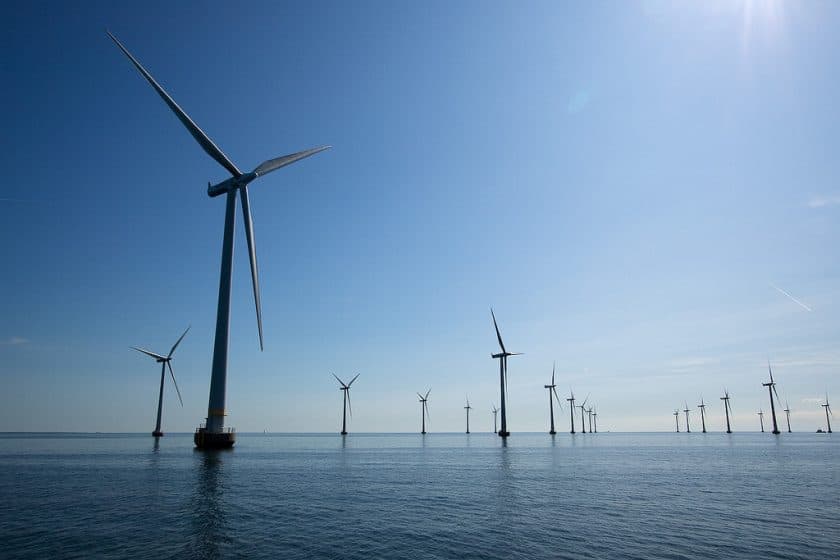
The offshore wind sector has been going through a difficult period recently, which is also reflected in auction results across Europe. A similar trend has been evident in Denmark in recent months. Last year’s auction was a major disappointment, leading to the cancellation of this year’s round. In response to the worrying results, the Danish Energy Agency conducted an investigation and found that the main reason last year’s auction failed was that the projects were no longer viable.
The offshore wind sector has been facing rising costs in recent years, threatening the economic viability of new projects. The worsening situation is having a negative impact on the development of renewable energy in Europe, which, in the case of offshore wind farms, takes place primarily through auctions. Last year, the Danish auction ended in total disappointment, with developers submitting not a single bid.
In response to last year’s debacle, Denmark’s Ministry of Climate and Energy asked the Danish Energy Agency to conduct an investigation. This involved discussions with a total of 17 companies, with the aim, among other things, of setting new auction terms that would be attractive enough to developers. At the start of this year, Denmark cancelled the auction planned for this year, saying the government should present a new auction framework during the year, with the first round scheduled for spring 2026.
Rising costs, falling revenues and other uncertainties
The Danish Energy Agency’s investigation found that a combination of several factors lay behind investors’ reluctance to take part in last year’s auction. All the companies consulted agreed that new offshore projects are not viable under the current auction framework. In addition to the rising costs of building new offshore wind farms, uncertainty over future revenues from electricity sales also played a significant role.
As for revenues, companies said they expected electricity supply to exceed demand, leading to lower electricity prices. This is also linked to unmet earlier expectations for the development of the green hydrogen market, which would require substantial volumes of renewable electricity. According to the companies, introducing two-sided contracts for difference could improve projects’ economic viability by guaranteeing wind farm developers a stable revenue stream.
Translation disclaimer
This article is a machine translation of the Czech original and has not yet been fully reviewed. In case of any doubt, please refer to the Czech version.




