
1 November 2026, 16:09
Loading...
Polish Prime Minister Donald Tusk also discussed a bilateral nuclear agreement during his visit to France

Libor Láník
15 February 2024, 11:21
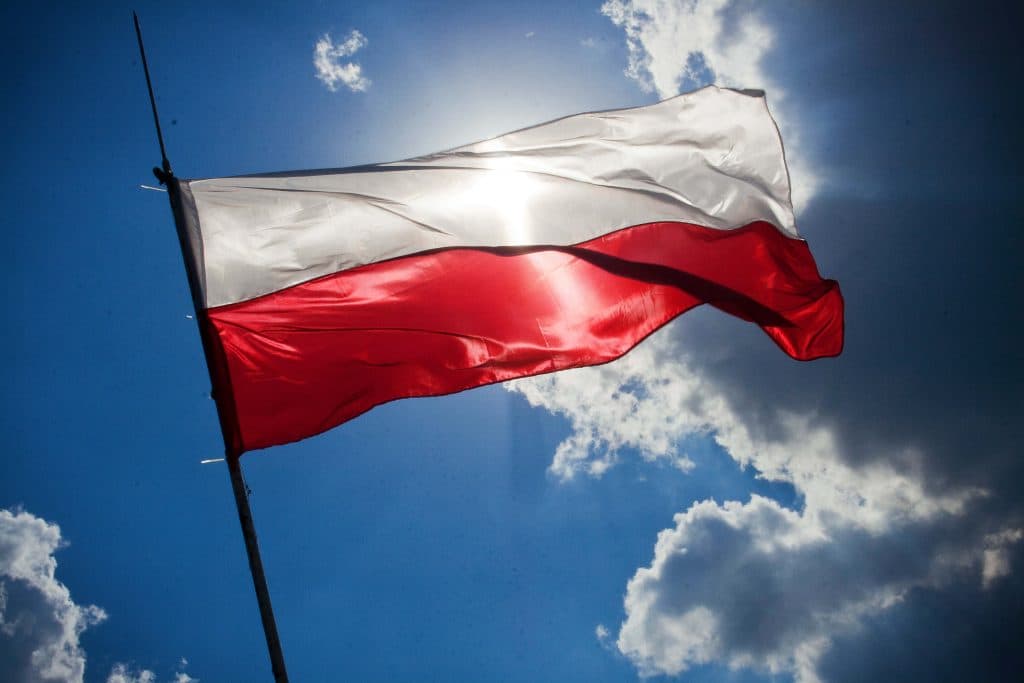
Polish Prime Minister Donald Tusk visited France on Monday, where he met French President Emmanuel Macron. Although their meeting was largely a response to Donald Trump’s recent remarks about the possibility of not helping Europe, their dialogue also covered cooperation on energy issues. Both leaders are interested in a bilateral agreement, particularly on nuclear energy.
The French president described the need for such an agreement as critical, saying that their energy sectors are primarily responsible for the development of nuclear energy in Europe.
"Our two countries are carrying out Europe’s largest nuclear programmes. We should act to strengthen our energy security and achieve a zero carbon footprint by 2050," Macron said.
Macron also expressed interest in building a nuclear power plant in Poland. With its new government, Poland is seeking to accelerate its own energy transition and has ambitious plans for nuclear energy as well as renewables. France’s EDF took part in the selection of a supplier for the construction of the first plant, but US company Westinghouse was chosen for the project in Pomerania.
As for further construction, Poland’s Respect Energy signed a special exclusive agreement last year to cooperate on the development of nuclear energy projects, but it primarily concerns SMR (small modular reactor) technology. In its announcement, however, it emphasised its initiative to offer a complete package, including large reactors.
As recently as early December last year, South Korea’s KHNP was expected to be responsible for Poland’s second nuclear power plant, which is due to be built in the Patów-Konin region. This could change with Tusk’s arrival, so it will be interesting to see how the contract is awarded.
In addition to visiting the Élysée Palace, Tusk continued his trip to Germany, where he turned to the issue of Europe’s defence and security. Polish-German relations are also currently focused on supplies to the German refinery in Schwedt, near the two countries’ shared border.
During the same period, Poland assured its neighbour that it could count on supplies from the port city of Gdańsk if deliveries from Kazakhstan were halted in possible retaliation for Germany’s actions against Rosneft. The company owns more than 50% of the refinery in question, which Germany intends to nationalise.
Translation disclaimer
This article is a machine translation of the Czech original and has not yet been fully reviewed. In case of any doubt, please refer to the Czech version.
Sdílejte článek prostřednictvím:
You might also like
1 November 2026, 07:59

31 October 2026, 12:55

31 October 2026, 08:21
30 October 2026, 20:16