31 October 2026, 12:55
Loading...
Russia expands its African strategy: energy, raw materials and possibly new factories
Veronika Jurcová
31 October 2026, 12:55
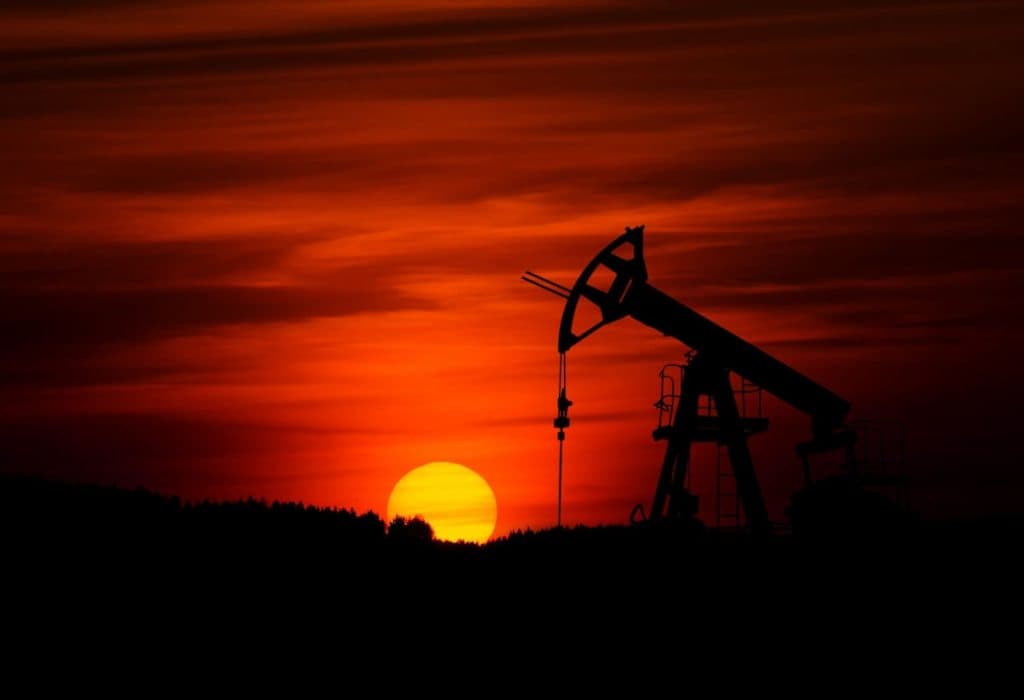
Russia wants to deepen energy and industrial cooperation with African countries. Alongside oil and natural gas extraction and the development of energy infrastructure, Moscow is now also speaking openly about relocating some production to the African continent. Vladimir Putin linked this plan, among other things, to Western sanctions. While no specific plans to relocate factories have been made public, some Russian raw materials projects are already taking more concrete shape, S&P Global reports.
Russia wants to expand its energy and industrial activities in Africa. Russian President Vladimir Putin said the country is already implementing more than 30 energy projects in 16 African countries. Moscow wants to develop further cooperation, particularly in oil and natural gas extraction and energy infrastructure.
Russian Energy Minister Sergey Tsivilyov also said that Russia is ready to help African countries build the infrastructure needed to transport hydrocarbons to end customers. He also stressed the need to develop extraction of Africa’s domestic resources. However, the specific scale of new investments and how they would be financed have not yet been presented in detail.
Moscow is also considering relocating some production
Putin said on 29 October that Russian companies are interested in relocating some production activities to African countries, partly in an effort to mitigate the effects of Western sanctions, Kyiv Post reports.
He also called on African countries to ensure Russian investments are protected from changes in the international political environment. However, he did not mention specific factories, target countries or a timetable for any potential relocation.
Russia’s offer also aligns with efforts by some African countries to capture more of the added value from their raw materials on the continent itself. Burundian President Évariste Ndayishimiye, who also heads the African Union, stressed the need to move away from a model based on exporting raw materials and importing finished products. He called for greater investment in local manufacturing, infrastructure, transport, research and technology.
Among the more concrete initiatives announced is a memorandum signed by Russian aluminum producer Rusal on a proposed joint venture to mine and process bauxite in Ghana. Bauxite is the key raw material used to produce aluminum. However, this is a proposed investment project, not a confirmed relocation of an existing Russian factory to Africa.
Russia’s economic engagement in Africa is not without controversy. Past analyses have, for example, highlighted links between Russian security operations, raw materials extraction and illicit economic activities in some African countries.
Oil and gas remain an important part of cooperation
Oil and natural gas remain a major area of Russian-African cooperation. Russia works with eight African countries within OPEC+. Six of them—Algeria, the Republic of the Congo, Equatorial Guinea, Gabon, Libya and Nigeria—are OPEC members, while Sudan and South Sudan belong to the group of producers outside the cartel. According to a Platts survey, their combined production amounted to 4.48 million barrels per day in September.
Alongside OPEC+, Moscow is also developing energy cooperation through the Gas Exporting Countries Forum (GECF). Its African members are Algeria, Egypt, Equatorial Guinea, Libya and Nigeria. The eighth GECF summit was held in Moscow on 27 October.
Libya is a specific example of Russia’s longer-term presence. Russian company Tatneft previously signed four agreements with Libya’s National Oil Corporation covering projects in the Ghadames and Sirte basins. However, activities have been repeatedly suspended because of the security situation. Libyan officials have now expressed interest in Russian oil companies returning to the country.
The latest Russian initiative therefore points to an effort to expand existing cooperation, which has focused heavily on extraction and energy, towards industrial investment and local processing of raw materials. It remains to be seen, however, to what extent political statements about relocating production will translate into concrete investment projects.
Translation disclaimer
This article is a machine translation of the Czech original and has not yet been fully reviewed. In case of any doubt, please refer to the Czech version.
Sdílejte článek prostřednictvím:
You might also like
31 October 2026, 08:21
30 October 2026, 20:16
30 October 2026, 12:33