Romania reopens mines: a strategic move to extract critical materials

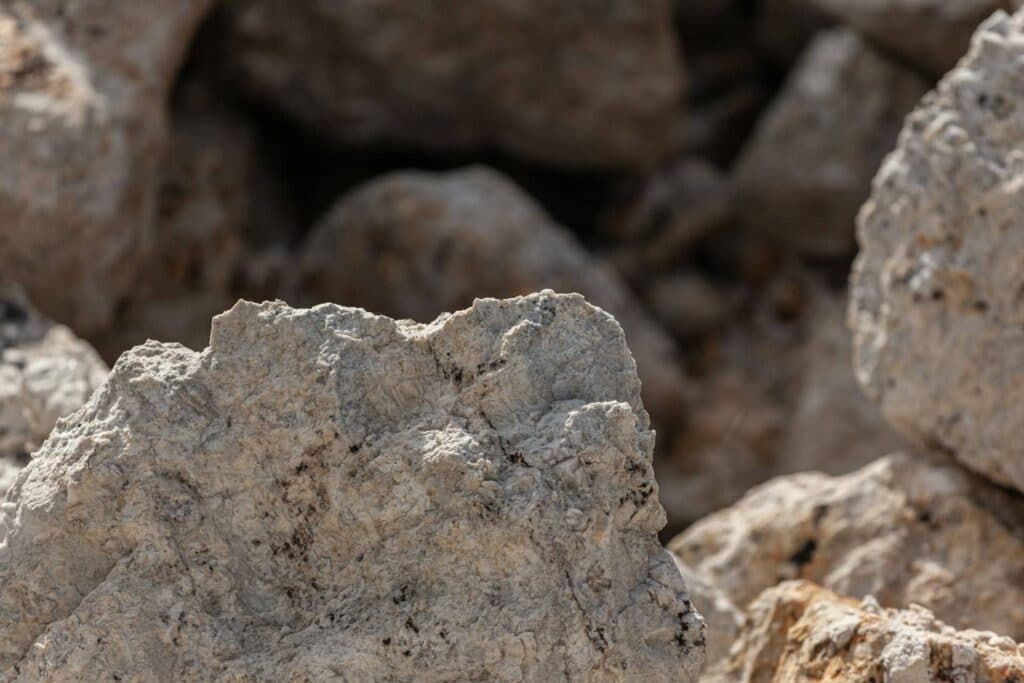
Romania will reopen non-energy mining operations to extract critical materials. This follows a change in legislation, after the Romanian government approved an ordinance amending the Mining Law, Euractiv reported. Critical materials are currently a significant commodity, so Romania is following its own strategy from last year while also aligning with the European proposal known as the “CRMA” (Critical Raw Materials Act), which addresses this issue.
The change was presented to the public by Economy Minister Radu Oprea. Romanians expect significant mining potential, and demand for these rare earths is expected to continue growing in the future. Oprea said, however, that this potential can be realised only if sufficiently environmentally friendly technologies are available that do not cause pollution. For now, it is not clear when mining could properly resume.
All mining in Romania falls under the National Agency for Mineral Resources (NAMR), which also manages the resources. Of the materials classified by the European Union as critical, Romania has significant reserves primarily of aluminium and copper. The still-active Roșia Poieni copper mine, for example, is the second-largest of its kind in Europe.
With demand expected to increase as much as fivefold, however, the Romanian government aims to focus on mines that have already closed or are currently undergoing environmental rehabilitation.
"We know very well that where there is gold, for example, there are other rare metals too. But today we do not know their concentration or quantity; with the new law, however, we can carry out analyses and determine how much there is," the minister said.
National strategy for non-energy resources
In addition to the materials already mentioned, which are prevalent in Romania, the initiative will target other elements such as magnesium, graphite, germanium, tungsten and titanium. This is set out in the vision of the National Strategy for Non-Energy Mineral Resources 2023-2035, published last year, which the government’s current legislative move builds on.
Through its analysis, the strategy identified Romania’s strengths and weaknesses in the critical minerals sector. One strength is the physical presence of exploitable reserves, supported by historical statistics. Weaknesses could include the economics of mining—such as the profitability of the costly process of reopening mines that have already closed—or the loss of relevant expertise and mining technologies.
In conclusion, it seems likely that the strengths will significantly outweigh the weaknesses, as the EU is currently making a concerted effort to achieve at least partial self-sufficiency. The proposed CRMA envisages that by 2030, member states will account for 15 % of the extraction, 40 % of the processing and 10 % of the recycling of selected critical raw materials. Romania could make a significant contribution to meeting these targets.
Translation disclaimer
This article is a machine translation of the Czech original and has not yet been fully reviewed. In case of any doubt, please refer to the Czech version.