12 November 2026, 10:43
Loading...
Black Sea attacks could threaten EU plan to end Russian gas imports

David Vobořil
12 November 2026, 10:43
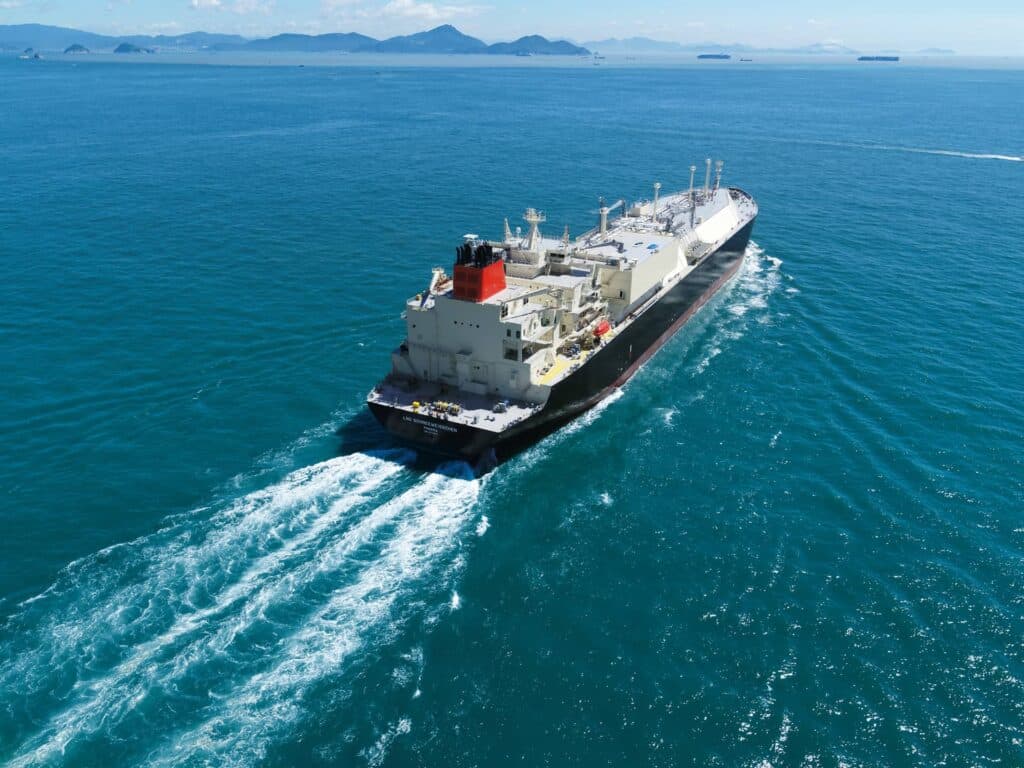
The intensification of Russian drone attacks in the Black Sea region could increase security risks for key European energy infrastructure and complicate the EU’s plans to end Russian gas imports by the end of 2027. Analysts are particularly concerned about Romania’s Neptun Deep gas project and the planned Vertical Corridor gas pipeline, which is intended to connect Greece with Ukraine. Some experts, however, say concerns about disruption to European supplies overstate the real impact of the security situation in the region.
According to Martin Vladimirov, an energy security expert at the Bulgarian Center for the Study of Democracy, Russia is expanding its hybrid activities in Europe, and the Black Sea region is among the most vulnerable areas. He therefore does not rule out the possibility that Moscow could use sabotage or drone attacks to delay or halt projects designed to help Europe replace Russian gas.
One project potentially at risk is the gas extraction project at Romania’s Neptun Deep gas field in the Black Sea. Production is expected to begin in 2027, with the project due to reach peak output of around 8 billion cubic metres of natural gas per year in the third quarter of that year.
Translation disclaimer
This article is a machine translation of the Czech original and has not yet been fully reviewed. In case of any doubt, please refer to the Czech version.
The article continues for subscribers
Premium content
The rest of this article is available to premium subscribers only. Get access to all premium articles on oEnergetice.cz.
You have read only 35% of the article — unlock the remaining 65% with a premium subscription.
Best value: annual subscription
Monthly option 4 € / month
3.25 €/ month
You might also like
12 November 2026, 07:26

11 November 2026, 13:45

11 November 2026, 13:19

11 November 2026, 12:52